Category: Blog

  • Full-Supply Plastic Component Outsourcing from ISO-Certified Indian Manufacturers for European Industry

    Full-Supply Plastic Component Outsourcing from ISO-Certified Indian Manufacturers for European Industry

    [vc_row type=”in_container” full_screen_row_position=”middle” column_margin=”60px” column_direction=”default” column_direction_tablet=”default” column_direction_phone=”default” scene_position=”center” top_padding=”30″ top_padding_tablet=”20″ top_padding_phone=”10″ text_color=”dark” text_align=”left” row_border_radius=”none” row_border_radius_applies=”bg” overflow=”visible” overlay_strength=”0.3″ gradient_direction=”left_to_right” shape_divider_position=”bottom” bg_image_animation=”none” gradient_type=”default” shape_type=””][vc_column column_padding=”no-extra-padding” column_padding_tablet=”inherit” column_padding_phone=”inherit” column_padding_position=”all” column_element_direction_desktop=”default” column_element_spacing=”default” desktop_text_alignment=”default” tablet_text_alignment=”default” phone_text_alignment=”default” sticky_content=”true” sticky_content_functionality=”js” background_color_opacity=”1″ background_hover_color_opacity=”1″ column_backdrop_filter=”none” column_shadow=”none” column_border_radius=”none” column_link_target=”_self” column_position=”default” gradient_direction=”left_to_right” overlay_strength=”0.3″ width=”4/12″ tablet_width_inherit=”default” animation_type=”default” bg_image_animation=”none” border_type=”simple” column_border_width=”none” column_border_style=”solid” column_padding_type=”default” gradient_type=”default”][vc_custom_heading text=”Full-Supply Plastic Component Outsourcing India for EU OEMs” font_container=”tag:h1|text_align:left” use_theme_fonts=”yes” css=””][divider line_type=”No Line” custom_height=”20″ custom_height_tablet=”20″ custom_height_phone=”10″][vc_column_text css=”” text_direction=”default”][addtoany][/vc_column_text][/vc_column][vc_column column_padding=”no-extra-padding” column_padding_tablet=”inherit” column_padding_phone=”inherit” column_padding_position=”all” column_element_direction_desktop=”default” column_element_spacing=”default” desktop_text_alignment=”default” tablet_text_alignment=”default” phone_text_alignment=”default” background_color_opacity=”1″ background_hover_color_opacity=”1″ column_backdrop_filter=”none” column_shadow=”none” column_border_radius=”none” column_link_target=”_self” column_position=”default” gradient_direction=”left_to_right” overlay_strength=”0.3″ width=”8/12″ tablet_width_inherit=”default” animation_type=”default” bg_image_animation=”none” border_type=”simple” column_border_width=”none” column_border_style=”solid”][image_with_animation image_url=”1159″ image_size=”full” max_width=”100%” max_width_mobile=”default” animation_type=”entrance” animation=”None” animation_movement_type=”transform_y” hover_animation=”none” alignment=”center” border_radius=”10px” box_shadow=”none” image_loading=”default” margin_bottom=”30″][vc_column_text css=”” text_direction=”default”]As the India-EU FTA deal 2026 will be applied, a growing number of European OEMs will look for full-supply partnerships with ISO-certified manufacturing facilities from India. The Free Trade Agreement, although instrumental, is NOT the only reason behind this change of winds.

    European industrial companies face a persistent challenge: managing fragmented supplier networks for plastic components. A control panel assembly might source housings from one supplier, mounting brackets from another, cable management clips from a third, and internal structural parts from yet another vendor.

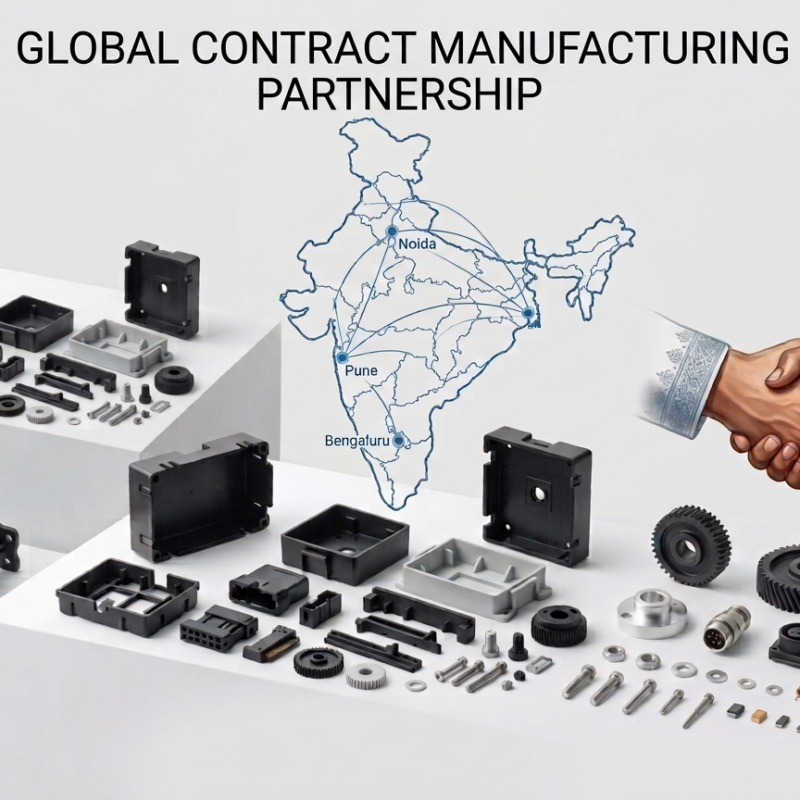
    A growing number of European OEMs are consolidating this complexity through full-supply partnerships. After the bilateral trade deal between India and EU, Indian facilities can emerge as ideal for the said purpose.

    The full-supply model transforms supply chain economics. European companies eliminate the administrative burden of managing multiple vendors while gaining production flexibility.[/vc_column_text][vc_custom_heading text=”The Full-Supply Model: Beyond Individual Part Sourcing” use_theme_fonts=”yes” css=””][vc_column_text css=”” text_direction=”default”]Earlier, European OEMs were focused on high-volume product manufacturing while outsourcing plastic components to India or other countries in Asia and Europe. They considered that only the cost arbitrage of large-scale production justifies the cross-continent coordination effort.

    The OEMs used to identify their highest-volume parts, then negotiate tooling and piece prices. At last, they used to agree on the import logistics for those specific items. But the full-supply model operates differently.

    For European OEMs, this integration removes the excess burden of coordinating between multiple specialists.

    Instead of cherry-picking individual parts, European OEMs transfer responsibility for entire component categories, which includes all plastic parts for a product family, complete enclosure systems for industrial equipment, or the full range of structural and cosmetic components for a machine platform.

    This comprehensive approach works because capable European OEM manufacturing partners in India. Their facilities have developed integrated capabilities spanning the complete manufacturing chain.

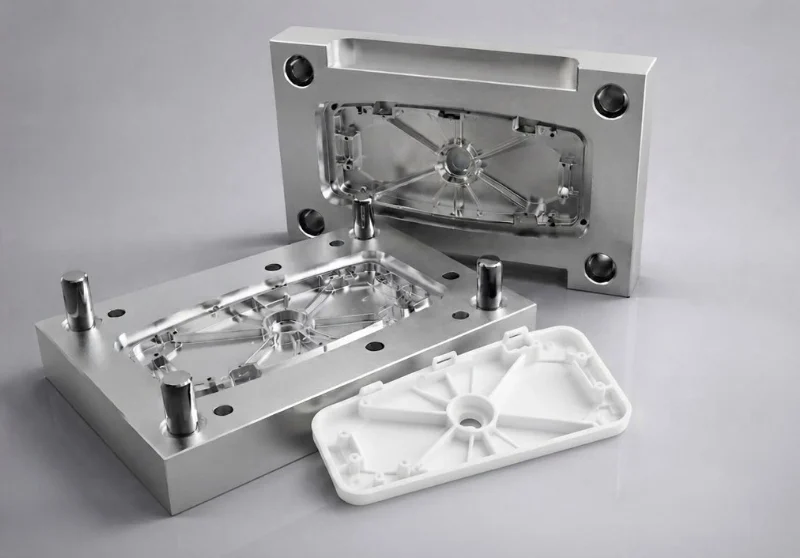
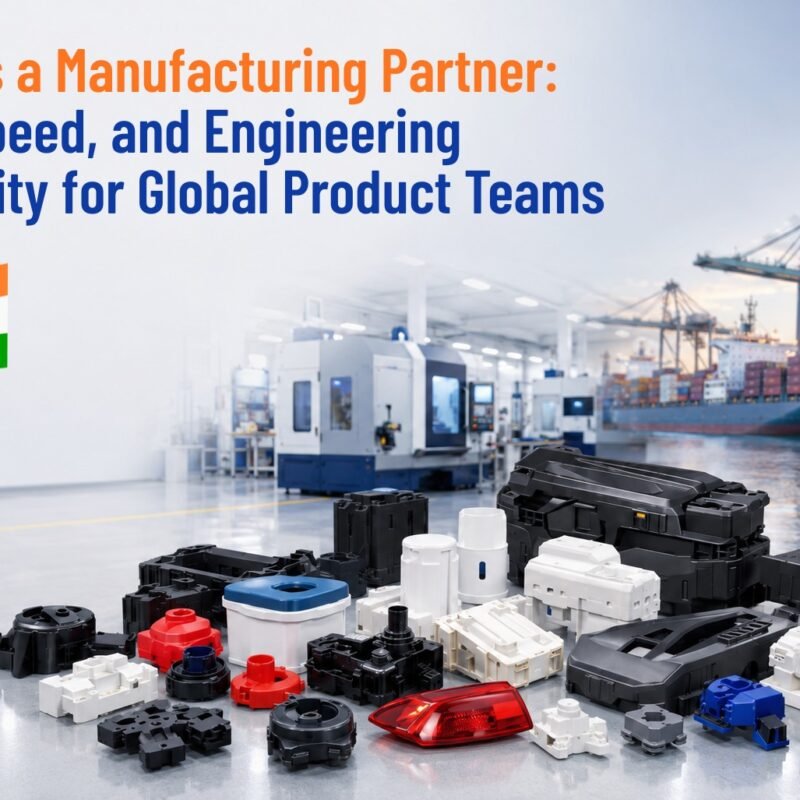
    Indian contract manufacturers, such as Marcopolo Products, have all project capabilities under one roof: tooling design and fabrication, injection moulding across multiple machine tonnages, CNC machining for hybrid metal-plastic assemblies, secondary operations including welding and printing, final assembly, quality verification, and logistics coordination.

    Thus, a single point of contact manages the complete component supply, simplifying both new product launches and modification of existing products of the OEMs.[/vc_column_text][vc_custom_heading text=”Managing Complete Plastic Component Portfolios” use_theme_fonts=”yes” css=””][vc_column_text css=”” text_direction=”default”]Industrial products are rarely standalone items; they are integrated systems of components that must function, assemble, and look like a cohesive whole.
    Consider a professional electrical enclosure, which requires a base, cover, mounting rails, grommets, and clips, or a fluid handling module assembled from reservoirs, housings, manifolds, and fittings.

    Indian manufacturers offering plastic contract manufacturing for Europe increasingly support complete component portfolios, including:

    • Structural and cosmetic parts
    • Functional housings and enclosures
    • Multi-variant and family-based components
    • Components spanning different product generations

    [/vc_column_text][vc_custom_heading text=”The Integrated Advantage” use_theme_fonts=”yes” css=””][vc_column_text css=”” text_direction=”default”]Consolidating your portfolio with one partner transforms the development process:

    1. Coordinated Design & Material Strategy
    A unified engineering team reviews the entire system, identifying assembly conflicts and opportunities for part consolidation early. This enables strategic material selection, potentially standardizing on fewer polymer grades to meet all functional needs while simplifying inventory.

    2. Optimized Tooling Economics
    Investment shifts from a series of individual tool costs to a strategic, portfolio-wide optimization. This can involve designing family molds to produce multiple parts in one cycle or planning a phased tooling build to align with your budget and production timeline.

    3. Simplified Quality Management
    Instead of reconciling disparate reports from multiple suppliers, you receive a consolidated quality dossier for the entire build. This provides a single source of truth for dimensional data, material certifications, and assembly validation, ensuring consistency across every component.
    This portfolio-level view is a key reason European OEMs and their manufacturing partners from India increasingly favor integrated sourcing relationships.[/vc_column_text][vc_custom_heading text=”Single-Partner Sourcing and the Reduction of Supplier Fragmentation” use_theme_fonts=”yes” css=””][vc_column_text css=”” text_direction=”default”]The technical complexity of industrial component production India operations becomes most apparent when managing complete component portfolios.

    Imagine a product with fifteen plastic parts, from a 1.5kg structural housing down to a 3-gram precision clip. Each requires different machine tonnages, cycle times, inspection protocols, and materials. Managing this portfolio across separate vendors risks logistical chaos.

    A full-supply contract manufacturing partner synchronizes these variables into a cohesive workflow, delivering assembly-ready kits instead of a pile of disparate parts.

    Synchronized Production & Strategic Maintenance
    Production Planning: We schedule moulding runs to align component availability, preventing the costly scenario where 13 parts are in stock, waiting for 2 delayed components.

    Tool Maintenance: Maintenance is scheduled strategically during planned production gaps to avoid unexpected failures that halt entire assembly lines.
    Single-Partner sourcing has a couple of nuanced benefits:

    1. Streamlined Design Changes & Lifecycle Management
    When a design change is required, such as modifying mating features on three interrelated parts, the manufacturing partner (like Marcopolo Products) manages the process internally.

    This, otherwise, would have been difficult, because coordinating changes across three different manufacturing partners would have resulted in delays, miscommunication, and compatibility issues.

    2. Integrated Post-Processing for Complete Assemblies
    Components rarely ship as raw mouldings. They require secondary operations: ultrasonic welding, heat staking, pad printing, or final assembly into plug-and-play modules. In case of multiple suppliers, these operations can create exponential complexity.

    Consolidating all post-processing with the moulding partner streamlines the workflow and provides single-point accountability for the complete functional assembly.

    At Marcopolo Products, we coordinate tooling, moulding, and assembly operations under one roof.[/vc_column_text][vc_custom_heading text=”Reducing Supplier Fragmentation Through Strategic Partnerships” use_theme_fonts=”yes” css=””][vc_column_text css=”” text_direction=”default”]Managing multiple suppliers incurs significant hidden costs that extend far beyond unit price differences. Each vendor relationship demands dedicated resources:

    Procurement hours for Request-for-Quotes (RFQs) and Purchases Orders (POs)
    Quality engineering time for audits and corrective actions
    Logistics coordination for shipments, and accounts payable work for invoicing

    For a European manufacturer sourcing from ten different plastic component suppliers, this administrative burden multiplies. A quality issue can trigger lengthy email chains across time zones to diagnose the root cause. While, a production delay at one vendor can idle an entire assembly line, creating costly bottlenecks.

    The Strategic Alternative: Full-Supply Partnership
    Plastic contract manufacturing for Europe through full-supply partnerships collapses this complexity.

    • A single supplier relationship replaces multiple vendor interactions.
    • One quality audit verifies ISO 9001 implementation across all components rather than requiring separate audits for each part supplier.
    • Corrective action processes follow consistent protocols.
    • Communication happens through established channels with known contacts rather than navigating different organizational structures for each supplier.

    The risk profile changes as well.

    This consolidation fundamentally changes the risk dynamic. Instead of being a minor client to several small suppliers, you become a strategically important partner to a single, capable manufacturer.

    This fosters greater responsiveness and commitment to quality.

    While this concentration of volume does require thorough due diligence and active relationship management, it replaces the diffuse risk of multiple unreliable vendors with manageable risk of one accountable partnership.[/vc_column_text][vc_custom_heading text=”Handling Low to Medium Production Volumes with Flexibility” use_theme_fonts=”yes” css=””][vc_column_text css=”” text_direction=”default”]For European manufacturers, the economics of low-to-medium production runs often make domestic sourcing or single-part outsourcing impractical. This is where a strategic partnership with an Indian contract manufacturer creates decisive value.

    Unlike mass-production facilities, contract manufacturing partners from India, like Marcopolo Products, are structured specifically for this segment. They are offering consistency without the pressure of high minimum order quantities.

    The manufacturing partners are providing dedicated support for:

    • Pilot and pre-series production
    • Variant-heavy programs
    • Region-specific product configurations

    [/vc_column_text][vc_custom_heading text=”The Portfolio Model: Making Economies of Scope Work for You” use_theme_fonts=”yes” css=””][vc_column_text css=”” text_direction=”default”]The full-supply model becomes viable here through economies of scope. While the volume of any single part may be low, the total volume across your entire component portfolio justifies a dedicated partnership. This allows you to consolidate supply and gain operational simplicity, even for programs that would be uneconomical part-by-part.[/vc_column_text][vc_custom_heading text=”Built-In Agility for Real-World Demand” use_theme_fonts=”yes” css=””][vc_column_text css=”” text_direction=”default”]Industrial demand is rarely static. It fluctuates based on seasonal patterns, project-based sales cycles, or market conditions.

    Rather than forcing European OEMs to maintain high inventory levels to buffer demand uncertainty against rigid production schedules, precision injection moulding partners from India adjust production cadence.

    Ultimately, this flexible, portfolio-based approach transforms low-volume production from a logistical challenge into a source of strategic supply chain resilience.[/vc_column_text][vc_custom_heading text=”Supporting Ongoing Production and Product Lifecycle Management” use_theme_fonts=”yes” css=””][vc_column_text css=”” text_direction=”default”]While new product introductions command attention, the true measure of a manufacturing partnership is its performance across the product’s entire lifecycle.

    This ongoing phase is where partnerships either solidify or slowly erode.

    A full-supply relationship proves indispensable here. Products inevitably evolve: design refinements address field issues, cost initiatives simplify parts, and regulations mandate updates. Managing these “running changes” across multiple suppliers is a major coordination challenge, risking revision mismatches and assembly errors.

    With a single, consolidated partner, this evolution happens internally. They coordinate, with their EU partners, the changes affecting multiple components for synchronized implementation and compatibility.

    Tool modifications and quality validations also happen under one roof, following, of course, consistent protocols and familiar documentation.

    For repeat orders, the process becomes streamlined and predictable. Instead of recurring RFQs and renegotiations, production continues based on established schedules and agreed terms.[/vc_column_text][vc_custom_heading text=”Production Planning and Execution Support” use_theme_fonts=”yes” css=””][vc_column_text css=”” text_direction=”default”]OEMs choosing full-cycle EU manufacturing partners from India expect their operations to mesh seamlessly with European business needs.

    This means understanding, for example, that a German automotive tier-one supplier operates differently from a Dutch industrial equipment manufacturer (even though both might source plastic components).

    Similarly, planning has to account for the long lead time: 4-6 weeks by sea plus customs. A good partner works backwards from the required delivery date in Europe to schedule production, avoiding excessive buffer stock.

    Execution visibility matters equally.

    European OEMs expect transparency into production status. They want clarity on when tools enter production, current manufacturing progress, quality inspection results, and shipment tracking information.

    It’s also important to understand that the modern teams from a developed European country will prefer this transparency and real-time updates from a dashboard (and not e-mail trails or messaging).

    Finally, the injection moulding manufacturer from India must be capable of handling demand spikes.

    A full-supply partner must maintain sufficient manufacturing capacity to handle volume peaks without compromising delivery commitments. This requires keeping spare machine capacity, flexible staffing, and strategic material stocks to ensure commitments are met even when volumes jump.[/vc_column_text][vc_custom_heading text=”Post-Processing Integration: From Components to Assemblies” use_theme_fonts=”yes” css=””][vc_column_text css=”” text_direction=”default”]The real value of a full-service partner is in delivering finished and functional assemblies (not just individual components).

    However, every extra step handled in the assembly separately adds a new level of complexity.

    CNC machining Europe projects often illustrate the limitation.

    For example, if a part needs precision CNC machining after moulding, it must be shipped to another vendor. This, in turn, creates delays, extra costs, and quality risks at each handoff.

    A true full-supply partner eliminates these steps through integrated post-processing under one roof. In other words, machining, ultrasonic welding, pad printing, and final assembly with purchased hardware are all done in-house.

    For European manufacturers, this integration simplifies everything:

    • Assembly labor shifts to the manufacturing partner
    • Quality is verified before shipment
    • Packaging is optimized for modules, not individual components

    The plastic component manufacturing (with assembly) outsourcing to India will ease a majority of the supply chain worries for the OEMs from the European Union nations.[/vc_column_text][vc_custom_heading text=”The India-EU Trade and Regulatory Environment” use_theme_fonts=”yes” css=””][vc_column_text css=”” text_direction=”default”]The commercial viability of export manufacturing partnerships between India and the EU depends on more than manufacturing capability.

    However, favorable trade conditions and regulatory alignment are equally critical.

    Recent developments have significantly improved the environment for cross-border component supply.

    India EU trade opportunities continue to expand as both regions recognize their mutual economic benefits. Ongoing negotiations around bilateral trade India EU agreements signal commitment to deeper integration. While comprehensive free trade agreements involve complex, multi-sector talks, targeted progress on manufacturing components continues steadily.

    EU tariff cuts on Indian exports in specific categories have reduced the total delivered costs for European OEMs.

    Combined with India’s structural cost advantages in tooling, skilled labor, and facility overhead, these tariff reductions strengthen the economic case for component outsourcing without compromising on quality or technical standards.

    Regulatory harmonization between India and the EU has also advanced significantly.

    Indian manufacturers exporting to Europe have built dedicated expertise in key EU regulations. This includes:

    • RoHS compliance for electronic components,
    • REACH requirements for chemical substances
    • Machinery directive compliance for safety-critical parts.

    This knowledge is reinforced by widespread ISO-certified manufacturing in India, where quality systems are aligned with European standards, greatly simplifying the supplier qualification process for EU buyers.

    The progress has fueled a clear European industrial outsourcing trend to India, reflecting confidence in these developments.

    Today, component outsourcing is no longer limited to high-volume consumer goods but confidently extends to medium-volume industrial applications, where technical requirements meet or exceed those of the consumer sector.[/vc_column_text][vc_custom_heading text=”Contract Manufacturing Beyond Individual Deliverables” use_theme_fonts=”yes” css=””][vc_column_text css=”” text_direction=”default”]Sourcing plastic components as individual parts divides ownership across multiple suppliers. Tooling, molding, post-processing, and assembly are split between vendors. This division creates ongoing coordination costs and weakens control over the final product.

    The full-supply contract manufacturing model solves this by managing complete programs instead of separate parts. The goal becomes sustaining stable production for the entire lifecycle of a product, not just delivering individual batches.

    This model integrates tooling, production scheduling, post-processing, and assembly into one coordinated plan. It manages repeat orders and product revisions, rather than single purchase orders. For long-running European industrial products, this integration minimizes disruption and prevents variation.

    A full-supply contract manufacturing partner in India is judged on consistency and reliable continuity, not only on production volume.

    Individual-Part vs. Full-Supply Model[/vc_column_text][vc_raw_html css=””]JTNDdGFibGUlMjBib3JkZXIlM0QlMjIxJTIyJTIwY2VsbHBhZGRpbmclM0QlMjIxMCUyMiUyMGNlbGxzcGFjaW5nJTNEJTIyMCUyMiUyMHN0eWxlJTNEJTIyYm9yZGVyLWNvbGxhcHNlJTNBJTIwY29sbGFwc2UlM0IlMjB3aWR0aCUzQSUyMDEwMCUyNSUzQiUyMiUzRSUwQSUyMCUyMCUzQ3RoZWFkJTNFJTBBJTIwJTIwJTIwJTIwJTNDdHIlM0UlMEElMjAlMjAlMjAlMjAlMjAlMjAlM0N0aCUyMHN0eWxlJTNEJTIydGV4dC1hbGlnbiUzQSUyMGNlbnRlciUzQiUyMiUzRUFyZWElM0MlMkZ0aCUzRSUwQSUyMCUyMCUyMCUyMCUyMCUyMCUzQ3RoJTIwc3R5bGUlM0QlMjJ0ZXh0LWFsaWduJTNBJTIwY2VudGVyJTNCJTIyJTNFSW5kaXZpZHVhbCUyMFBhcnRzJTNDJTJGdGglM0UlMEElMjAlMjAlMjAlMjAlMjAlMjAlM0N0aCUyMHN0eWxlJTNEJTIydGV4dC1hbGlnbiUzQSUyMGNlbnRlciUzQiUyMiUzRUZ1bGwtU3VwcGx5JTIwTW9kZWwlM0MlMkZ0aCUzRSUwQSUyMCUyMCUyMCUyMCUzQyUyRnRyJTNFJTBBJTIwJTIwJTNDJTJGdGhlYWQlM0UlMEElMjAlMjAlM0N0Ym9keSUzRSUwQSUyMCUyMCUyMCUyMCUzQ3RyJTNFJTBBJTIwJTIwJTIwJTIwJTIwJTIwJTNDdGQlM0VSZXNwb25zaWJpbGl0eSUzQyUyRnRkJTNFJTBBJTIwJTIwJTIwJTIwJTIwJTIwJTNDdGQlM0VMaW1pdGVkJTIwdG8lMjBzcGVjaWZpYyUyMHBhcnRzJTNDJTJGdGQlM0UlMEElMjAlMjAlMjAlMjAlMjAlMjAlM0N0ZCUzRU1hbmFnZXMlMjB0aGUlMjBjb21wbGV0ZSUyMGNvbXBvbmVudCUyMHByb2dyYW0lM0MlMkZ0ZCUzRSUwQSUyMCUyMCUyMCUyMCUzQyUyRnRyJTNFJTBBJTIwJTIwJTIwJTIwJTNDdHIlM0UlMEElMjAlMjAlMjAlMjAlMjAlMjAlM0N0ZCUzRVN1cHBsaWVyJTIwU2V0dXAlM0MlMkZ0ZCUzRSUwQSUyMCUyMCUyMCUyMCUyMCUyMCUzQ3RkJTNFTXVsdGlwbGUlMjB2ZW5kb3JzJTNDJTJGdGQlM0UlMEElMjAlMjAlMjAlMjAlMjAlMjAlM0N0ZCUzRU9uZSUyMGFjY291bnRhYmxlJTIwcGFydG5lciUzQyUyRnRkJTNFJTBBJTIwJTIwJTIwJTIwJTNDJTJGdHIlM0UlMEElMjAlMjAlMjAlMjAlM0N0ciUzRSUwQSUyMCUyMCUyMCUyMCUyMCUyMCUzQ3RkJTNFVG9vbGluZyUyMEFwcHJvYWNoJTNDJTJGdGQlM0UlMEElMjAlMjAlMjAlMjAlMjAlMjAlM0N0ZCUzRVJlYWN0aXZlJTJDJTIwcGVyJTIwYmF0Y2glM0MlMkZ0ZCUzRSUwQSUyMCUyMCUyMCUyMCUyMCUyMCUzQ3RkJTNFUGxhbm5lZCUyMGZvciUyMHRoZSUyMHByb2R1Y3QlMjBsaWZlY3ljbGUlM0MlMkZ0ZCUzRSUwQSUyMCUyMCUyMCUyMCUzQyUyRnRyJTNFJTBBJTIwJTIwJTIwJTIwJTNDdHIlM0UlMEElMjAlMjAlMjAlMjAlMjAlMjAlM0N0ZCUzRVByb2R1Y3Rpb24lMjBQbGFubmluZyUzQyUyRnRkJTNFJTBBJTIwJTIwJTIwJTIwJTIwJTIwJTNDdGQlM0VEcml2ZW4lMjBieSUyMHB1cmNoYXNlJTIwb3JkZXJzJTNDJTJGdGQlM0UlMEElMjAlMjAlMjAlMjAlMjAlMjAlM0N0ZCUzRURyaXZlbiUyMGJ5JTIwZm9yZWNhc3RzJTIwYW5kJTIwcmVwZWF0JTIwb3JkZXJzJTNDJTJGdGQlM0UlMEElMjAlMjAlMjAlMjAlM0MlMkZ0ciUzRSUwQSUwOSUwQSUwOSUzQ3RyJTNFJTBBJTIwJTIwJTIwJTIwJTIwJTIwJTNDdGQlM0VDaGFuZ2UlMjBNYW5hZ2VtZW50JTNDJTJGdGQlM0UlMEElMjAlMjAlMjAlMjAlMjAlMjAlM0N0ZCUzRUhhbmRsZWQlMjBhcyUyMGV4Y2VwdGlvbnMlM0MlMkZ0ZCUzRSUwQSUyMCUyMCUyMCUyMCUyMCUyMCUzQ3RkJTNFSW50ZWdyYXRlZCUyMGludG8lMjBzdGFuZGFyZCUyMHByb2Nlc3NlcyUzQyUyRnRkJTNFJTBBJTIwJTIwJTIwJTIwJTNDJTJGdHIlM0UlMEElMjAlMjAlMjAlMjAlM0N0ciUzRSUwQSUyMCUyMCUyMCUyMCUyMCUyMCUzQ3RkJTNFT0VNJTI3cyUyMEVmZm9ydHMlM0MlMkZ0ZCUzRSUwQSUyMCUyMCUyMCUyMCUyMCUyMCUzQ3RkJTNFSGlnaCUyMGNvb3JkaW5hdGlvbiUyMGJ1cmRlbiUyMGJldHdlZW4lMjBpbmRpdmlkdWFsJTIwdmVuZG9ycyUzQyUyRnRkJTNFJTBBJTIwJTIwJTIwJTIwJTIwJTIwJTNDdGQlM0VDb29yZGluYXRpb24lMjBidXJkZW4lMjB3aXRoJTIwb25seSUyMG9uZSUyMHBhcnRuZXIlM0MlMkZ0ZCUzRSUwQSUyMCUyMCUyMCUyMCUzQyUyRnRyJTNFJTBBJTIwJTIwJTIwJTIwJTNDdHIlM0UlMEElMjAlMjAlMjAlMjAlMjAlMjAlM0N0ZCUzRVN1cHBseSUyMFJpc2slM0MlMkZ0ZCUzRSUwQSUyMCUyMCUyMCUyMCUyMCUyMCUzQ3RkJTNFRGlzcGVyc2VkJTIwYW5kJTIwZGlmZmljdWx0JTIwdG8lMjBjb250cm9sJTNDJTJGdGQlM0UlMEElMjAlMjAlMjAlMjAlMjAlMjAlM0N0ZCUzRUNvbnNvbGlkYXRlZCUyMGFuZCUyMGVhc2llciUyMHRvJTIwbWFuYWdlJTNDJTJGdGQlM0UlMEElMjAlMjAlMjAlMjAlM0MlMkZ0ciUzRSUwQSUwOSUwQSUyMCUyMCUzQyUyRnRib2R5JTNFJTBBJTNDJTJGdGFibGUlM0U=[/vc_raw_html][vc_column_text css=”” text_direction=”default”]For EU OEMs prioritizing reliability and long-term continuity, this model provides a more controlled and manageable approach to outsourcing plastic components. It turns a complex, multi-vendor process into a single, dependable partnership.[/vc_column_text][vc_custom_heading text=”A Strategic Supply Chain Revolution Between EU and India” use_theme_fonts=”yes” css=””][vc_column_text css=”” text_direction=”default”]The move to full-supply plastic contract manufacturing for Europe through consolidated Indian partnerships represents a strategic shift for European supply chains. By consolidating partnerships with Indian manufacturers, European OEMs streamline a process that was once fragmented and costly.

    However, success depends on careful partner selection and deliberate relationship development.

    Not every manufacturer with injection moulding equipment can effectively manage complete component portfolios. For European industries balancing cost, resilience, and flexibility, full-supply partnerships with ISO-certified Indian plastic components and full-supply manufacturers provide a reliable solution.

    As India EU trade opportunities grow and more companies report success, this approach is setting a new standard for sourcing high-performance plastic components.[/vc_column_text][vc_custom_heading text=”FAQs” use_theme_fonts=”yes” css=””][toggles style=”minimal” accordion=”true” accordion_starting_functionality=”default”][toggle color=”Default” heading_tag=”h5″ heading_tag_functionality=”change_html_tag” title=”What is full-supply plastic component outsourcing?”][vc_column_text css=”” text_direction=”default”]Full-supply plastic component outsourcing means partnering with a single contract manufacturing partner to manage your complete component portfolio instead of sourcing individual parts from multiple suppliers. This consolidates tooling, injection moulding, post-processing, and assembly under one roof, reducing coordination complexity and providing flexible production that scales with actual demand.[/vc_column_text][/toggle][toggle color=”Default” heading_tag=”h5″ heading_tag_functionality=”change_html_tag” title=”Why do European companies outsource plastic components to India?”][vc_column_text css=”” text_direction=”default”]European companies choose outsourcing plastic components to India for three reasons: ISO-certified manufacturing facilities offer competitive costs with quality standards, flexible production accommodates low-medium volumes without rigid MOQs, and integrated services span tooling through assembly. EU tariff cuts India exports and improving trade conditions further reduce landed costs while maintaining reliability.[/vc_column_text][/toggle][toggle color=”Default” heading_tag=”h5″ heading_tag_functionality=”change_html_tag” title=”What are the benefits of using a single contract manufacturing partner for multiple plastic parts?”][vc_column_text css=”” text_direction=”default”]A single contract manufacturing partner simplifies supplier management with one quality audit versus multiple assessments, coordinates tooling across part families, reduces administrative overhead through consolidated purchasing, and delivers assemblies rather than individual components. This works well for industrial manufacturers managing 10-50 plastic parts per product platform.[/vc_column_text][/toggle][toggle color=”Default” heading_tag=”h5″ heading_tag_functionality=”change_html_tag” title=”How does the India-EU trade environment support plastic component outsourcing?”][vc_column_text css=”” text_direction=”default”]India EU trade opportunities include ongoing bilateral trade India EU negotiations, EU tariff cuts on Indian exports will help to reduce landed costs, streamlined customs procedures, and improved shipping infrastructure cutting ocean transit to four weeks. Legal frameworks for IP protection and contract enforcement make export manufacturing from EU nations commercially viable.[/vc_column_text][/toggle][toggle color=”Default” heading_tag=”h5″ heading_tag_functionality=”change_html_tag” title=”How do ISO-certified Indian manufacturers ensure quality for European industrial applications?”][vc_column_text css=”” text_direction=”default”]ISO-certified manufacturing India facilities use documented inspection protocols, CMM/VMM verification to ±0.02mm tolerances, material certifications tracing resin batches, statistical process control monitoring, and preventive tool maintenance. European buyers receive inspection reports and process capability studies aligned with ISO 9001 requirements.[/vc_column_text][/toggle][/toggles][/vc_column][/vc_row][vc_row type=”in_container” full_screen_row_position=”middle” column_margin=”default” column_direction=”default” column_direction_tablet=”default” column_direction_phone=”default” scene_position=”center” text_color=”dark” text_align=”left” row_border_radius=”none” row_border_radius_applies=”bg” overflow=”visible” overlay_strength=”0.3″ gradient_direction=”left_to_right” shape_divider_position=”bottom” bg_image_animation=”none”][vc_column column_padding=”no-extra-padding” column_padding_tablet=”inherit” column_padding_phone=”inherit” column_padding_position=”all” column_element_direction_desktop=”default” column_element_spacing=”default” desktop_text_alignment=”default” tablet_text_alignment=”default” phone_text_alignment=”default” background_color_opacity=”1″ background_hover_color_opacity=”1″ column_backdrop_filter=”none” column_shadow=”none” column_border_radius=”none” column_link_target=”_self” column_position=”default” gradient_direction=”left_to_right” overlay_strength=”0.3″ width=”1/1″ tablet_width_inherit=”default” animation_type=”default” bg_image_animation=”none” border_type=”simple” column_border_width=”none” column_border_style=”solid”][vc_raw_html css=””]JTNDc2NyaXB0JTIwdHlwZSUzRCUyMmFwcGxpY2F0aW9uJTJGbGQlMkJqc29uJTIyJTNFJTBBJTdCJTBBJTIwJTIwJTIyJTQwY29udGV4dCUyMiUzQSUyMCUyMmh0dHBzJTNBJTJGJTJGc2NoZW1hLm9yZyUyMiUyQyUwQSUyMCUyMCUyMiU0MHR5cGUlMjIlM0ElMjAlMjJGQVFQYWdlJTIyJTJDJTBBJTIwJTIwJTIybWFpbkVudGl0eSUyMiUzQSUyMCU1QiU3QiUwQSUyMCUyMCUyMCUyMCUyMiU0MHR5cGUlMjIlM0ElMjAlMjJRdWVzdGlvbiUyMiUyQyUwQSUyMCUyMCUyMCUyMCUyMm5hbWUlMjIlM0ElMjAlMjJXaGF0JTIwaXMlMjBmdWxsLXN1cHBseSUyMHBsYXN0aWMlMjBjb21wb25lbnQlMjBvdXRzb3VyY2luZyUzRiUyMiUyQyUwQSUyMCUyMCUyMCUyMCUyMmFjY2VwdGVkQW5zd2VyJTIyJTNBJTIwJTdCJTBBJTIwJTIwJTIwJTIwJTIwJTIwJTIyJTQwdHlwZSUyMiUzQSUyMCUyMkFuc3dlciUyMiUyQyUwQSUyMCUyMCUyMCUyMCUyMCUyMCUyMnRleHQlMjIlM0ElMjAlMjJGdWxsLXN1cHBseSUyMHBsYXN0aWMlMjBjb21wb25lbnQlMjBvdXRzb3VyY2luZyUyMG1lYW5zJTIwcGFydG5lcmluZyUyMHdpdGglMjBhJTIwc2luZ2xlJTIwY29udHJhY3QlMjBtYW51ZmFjdHVyaW5nJTIwcGFydG5lciUyMHRvJTIwbWFuYWdlJTIweW91ciUyMGNvbXBsZXRlJTIwY29tcG9uZW50JTIwcG9ydGZvbGlvJTIwaW5zdGVhZCUyMG9mJTIwc291cmNpbmclMjBpbmRpdmlkdWFsJTIwcGFydHMlMjBmcm9tJTIwbXVsdGlwbGUlMjBzdXBwbGllcnMuJTIwVGhpcyUyMGNvbnNvbGlkYXRlcyUyMHRvb2xpbmclMkMlMjBpbmplY3Rpb24lMjBtb3VsZGluZyUyQyUyMHBvc3QtcHJvY2Vzc2luZyUyQyUyMGFuZCUyMGFzc2VtYmx5JTIwdW5kZXIlMjBvbmUlMjByb29mJTJDJTIwcmVkdWNpbmclMjBjb29yZGluYXRpb24lMjBjb21wbGV4aXR5JTIwYW5kJTIwcHJvdmlkaW5nJTIwZmxleGlibGUlMjBwcm9kdWN0aW9uJTIwdGhhdCUyMHNjYWxlcyUyMHdpdGglMjBhY3R1YWwlMjBkZW1hbmQuJTIyJTBBJTIwJTIwJTIwJTIwJTdEJTBBJTIwJTIwJTdEJTJDJTdCJTBBJTIwJTIwJTIwJTIwJTIyJTQwdHlwZSUyMiUzQSUyMCUyMlF1ZXN0aW9uJTIyJTJDJTBBJTIwJTIwJTIwJTIwJTIybmFtZSUyMiUzQSUyMCUyMldoeSUyMGRvJTIwRXVyb3BlYW4lMjBjb21wYW5pZXMlMjBvdXRzb3VyY2UlMjBwbGFzdGljJTIwY29tcG9uZW50cyUyMHRvJTIwSW5kaWElM0YlMjIlMkMlMEElMjAlMjAlMjAlMjAlMjJhY2NlcHRlZEFuc3dlciUyMiUzQSUyMCU3QiUwQSUyMCUyMCUyMCUyMCUyMCUyMCUyMiU0MHR5cGUlMjIlM0ElMjAlMjJBbnN3ZXIlMjIlMkMlMEElMjAlMjAlMjAlMjAlMjAlMjAlMjJ0ZXh0JTIyJTNBJTIwJTIyRXVyb3BlYW4lMjBjb21wYW5pZXMlMjBjaG9vc2UlMjBvdXRzb3VyY2luZyUyMHBsYXN0aWMlMjBjb21wb25lbnRzJTIwdG8lMjBJbmRpYSUyMGZvciUyMHRocmVlJTIwcmVhc29ucyUzQSUyMElTTy1jZXJ0aWZpZWQlMjBtYW51ZmFjdHVyaW5nJTIwZmFjaWxpdGllcyUyMG9mZmVyJTIwY29tcGV0aXRpdmUlMjBjb3N0cyUyMHdpdGglMjBxdWFsaXR5JTIwc3RhbmRhcmRzJTJDJTIwZmxleGlibGUlMjBwcm9kdWN0aW9uJTIwYWNjb21tb2RhdGVzJTIwbG93LW1lZGl1bSUyMHZvbHVtZXMlMjB3aXRob3V0JTIwcmlnaWQlMjBNT1FzJTJDJTIwYW5kJTIwaW50ZWdyYXRlZCUyMHNlcnZpY2VzJTIwc3BhbiUyMHRvb2xpbmclMjB0aHJvdWdoJTIwYXNzZW1ibHkuJTIwRVUlMjB0YXJpZmYlMjBjdXRzJTIwSW5kaWElMjBleHBvcnRzJTIwYW5kJTIwaW1wcm92aW5nJTIwdHJhZGUlMjBjb25kaXRpb25zJTIwZnVydGhlciUyMHJlZHVjZSUyMGxhbmRlZCUyMGNvc3RzJTIwd2hpbGUlMjBtYWludGFpbmluZyUyMHJlbGlhYmlsaXR5LiUyMiUwQSUyMCUyMCUyMCUyMCU3RCUwQSUyMCUyMCU3RCUyQyU3QiUwQSUyMCUyMCUyMCUyMCUyMiU0MHR5cGUlMjIlM0ElMjAlMjJRdWVzdGlvbiUyMiUyQyUwQSUyMCUyMCUyMCUyMCUyMm5hbWUlMjIlM0ElMjAlMjJXaGF0JTIwYXJlJTIwdGhlJTIwYmVuZWZpdHMlMjBvZiUyMHVzaW5nJTIwYSUyMHNpbmdsZSUyMGNvbnRyYWN0JTIwbWFudWZhY3R1cmluZyUyMHBhcnRuZXIlMjBmb3IlMjBtdWx0aXBsZSUyMHBsYXN0aWMlMjBwYXJ0cyUzRiUyMiUyQyUwQSUyMCUyMCUyMCUyMCUyMmFjY2VwdGVkQW5zd2VyJTIyJTNBJTIwJTdCJTBBJTIwJTIwJTIwJTIwJTIwJTIwJTIyJTQwdHlwZSUyMiUzQSUyMCUyMkFuc3dlciUyMiUyQyUwQSUyMCUyMCUyMCUyMCUyMCUyMCUyMnRleHQlMjIlM0ElMjAlMjJBJTIwc2luZ2xlJTIwY29udHJhY3QlMjBtYW51ZmFjdHVyaW5nJTIwcGFydG5lciUyMHNpbXBsaWZpZXMlMjBzdXBwbGllciUyMG1hbmFnZW1lbnQlMjB3aXRoJTIwb25lJTIwcXVhbGl0eSUyMGF1ZGl0JTIwdmVyc3VzJTIwbXVsdGlwbGUlMjBhc3Nlc3NtZW50cyUyQyUyMGNvb3JkaW5hdGVzJTIwdG9vbGluZyUyMGFjcm9zcyUyMHBhcnQlMjBmYW1pbGllcyUyQyUyMHJlZHVjZXMlMjBhZG1pbmlzdHJhdGl2ZSUyMG92ZXJoZWFkJTIwdGhyb3VnaCUyMGNvbnNvbGlkYXRlZCUyMHB1cmNoYXNpbmclMkMlMjBhbmQlMjBkZWxpdmVycyUyMGFzc2VtYmxpZXMlMjByYXRoZXIlMjB0aGFuJTIwaW5kaXZpZHVhbCUyMGNvbXBvbmVudHMuJTIwVGhpcyUyMHdvcmtzJTIwd2VsbCUyMGZvciUyMGluZHVzdHJpYWwlMjBtYW51ZmFjdHVyZXJzJTIwbWFuYWdpbmclMjAxMC01MCUyMHBsYXN0aWMlMjBwYXJ0cyUyMHBlciUyMHByb2R1Y3QlMjBwbGF0Zm9ybS4lMjIlMEElMjAlMjAlMjAlMjAlN0QlMEElMjAlMjAlN0QlMkMlN0IlMEElMjAlMjAlMjAlMjAlMjIlNDB0eXBlJTIyJTNBJTIwJTIyUXVlc3Rpb24lMjIlMkMlMEElMjAlMjAlMjAlMjAlMjJuYW1lJTIyJTNBJTIwJTIySG93JTIwZG8lMjBJU08tY2VydGlmaWVkJTIwSW5kaWFuJTIwbWFudWZhY3R1cmVycyUyMGVuc3VyZSUyMHF1YWxpdHklMjBmb3IlMjBFdXJvcGVhbiUyMGluZHVzdHJpYWwlMjBhcHBsaWNhdGlvbnMlM0YlMjIlMkMlMEElMjAlMjAlMjAlMjAlMjJhY2NlcHRlZEFuc3dlciUyMiUzQSUyMCU3QiUwQSUyMCUyMCUyMCUyMCUyMCUyMCUyMiU0MHR5cGUlMjIlM0ElMjAlMjJBbnN3ZXIlMjIlMkMlMEElMjAlMjAlMjAlMjAlMjAlMjAlMjJ0ZXh0JTIyJTNBJTIwJTIySVNPLWNlcnRpZmllZCUyMG1hbnVmYWN0dXJpbmclMjBJbmRpYSUyMGZhY2lsaXRpZXMlMjB1c2UlMjBkb2N1bWVudGVkJTIwaW5zcGVjdGlvbiUyMHByb3RvY29scyUyQyUyMENNTSUyRlZNTSUyMHZlcmlmaWNhdGlvbiUyMHRvJTIwJUMyJUIxMC4wMm1tJTIwdG9sZXJhbmNlcyUyQyUyMG1hdGVyaWFsJTIwY2VydGlmaWNhdGlvbnMlMjB0cmFjaW5nJTIwcmVzaW4lMjBiYXRjaGVzJTJDJTIwc3RhdGlzdGljYWwlMjBwcm9jZXNzJTIwY29udHJvbCUyMG1vbml0b3JpbmclMkMlMjBhbmQlMjBwcmV2ZW50aXZlJTIwdG9vbCUyMG1haW50ZW5hbmNlLiUyMEV1cm9wZWFuJTIwYnV5ZXJzJTIwcmVjZWl2ZSUyMGluc3BlY3Rpb24lMjByZXBvcnRzJTIwYW5kJTIwcHJvY2VzcyUyMGNhcGFiaWxpdHklMjBzdHVkaWVzJTIwYWxpZ25lZCUyMHdpdGglMjBJU08lMjA5MDAxJTIwcmVxdWlyZW1lbnRzLiUyMiUwQSUyMCUyMCUyMCUyMCU3RCUwQSUyMCUyMCU3RCUyQyU3QiUwQSUyMCUyMCUyMCUyMCUyMiU0MHR5cGUlMjIlM0ElMjAlMjJRdWVzdGlvbiUyMiUyQyUwQSUyMCUyMCUyMCUyMCUyMm5hbWUlMjIlM0ElMjAlMjJIb3clMjBkb2VzJTIwdGhlJTIwSW5kaWEtRVUlMjB0cmFkZSUyMGVudmlyb25tZW50JTIwc3VwcG9ydCUyMHBsYXN0aWMlMjBjb21wb25lbnQlMjBvdXRzb3VyY2luZyUzRiUyMiUyQyUwQSUyMCUyMCUyMCUyMCUyMmFjY2VwdGVkQW5zd2VyJTIyJTNBJTIwJTdCJTBBJTIwJTIwJTIwJTIwJTIwJTIwJTIyJTQwdHlwZSUyMiUzQSUyMCUyMkFuc3dlciUyMiUyQyUwQSUyMCUyMCUyMCUyMCUyMCUyMCUyMnRleHQlMjIlM0ElMjAlMjJJbmRpYSUyMEVVJTIwdHJhZGUlMjBvcHBvcnR1bml0aWVzJTIwaW5jbHVkZSUyMG9uZ29pbmclMjBiaWxhdGVyYWwlMjB0cmFkZSUyMEluZGlhJTIwRVUlMjBuZWdvdGlhdGlvbnMlMkMlMjBFVSUyMHRhcmlmZiUyMGN1dHMlMjBvbiUyMEluZGlhbiUyMGV4cG9ydHMlMjB3aWxsJTIwaGVscCUyMHRvJTIwcmVkdWNlJTIwbGFuZGVkJTIwY29zdHMlMkMlMjBzdHJlYW1saW5lZCUyMGN1c3RvbXMlMjBwcm9jZWR1cmVzJTJDJTIwYW5kJTIwaW1wcm92ZWQlMjBzaGlwcGluZyUyMGluZnJhc3RydWN0dXJlJTIwY3V0dGluZyUyMG9jZWFuJTIwdHJhbnNpdCUyMHRvJTIwZm91ciUyMHdlZWtzLiUyMExlZ2FsJTIwZnJhbWV3b3JrcyUyMGZvciUyMElQJTIwcHJvdGVjdGlvbiUyMGFuZCUyMGNvbnRyYWN0JTIwZW5mb3JjZW1lbnQlMjBtYWtlJTIwZXhwb3J0JTIwbWFudWZhY3R1cmluZyUyMGZyb20lMjBFVSUyMG5hdGlvbnMlMjBjb21tZXJjaWFsbHklMjB2aWFibGUuJTIyJTBBJTIwJTIwJTIwJTIwJTdEJTBBJTIwJTIwJTdEJTVEJTBBJTdEJTBBJTNDJTJGc2NyaXB0JTNF[/vc_raw_html][/vc_column][/vc_row]

  • How EU Companies Are Partnering with Indian Injection Moulding and Contract Manufacturers for Scalable Plastic Components

    How EU Companies Are Partnering with Indian Injection Moulding and Contract Manufacturers for Scalable Plastic Components

    [vc_row type=”in_container” full_screen_row_position=”middle” column_margin=”60px” column_direction=”default” column_direction_tablet=”default” column_direction_phone=”default” scene_position=”center” top_padding=”30″ top_padding_tablet=”20″ top_padding_phone=”10″ text_color=”dark” text_align=”left” row_border_radius=”none” row_border_radius_applies=”bg” overflow=”visible” overlay_strength=”0.3″ gradient_direction=”left_to_right” shape_divider_position=”bottom” bg_image_animation=”none” gradient_type=”default” shape_type=””][vc_column column_padding=”no-extra-padding” column_padding_tablet=”inherit” column_padding_phone=”inherit” column_padding_position=”all” column_element_direction_desktop=”default” column_element_spacing=”default” desktop_text_alignment=”default” tablet_text_alignment=”default” phone_text_alignment=”default” sticky_content=”true” sticky_content_functionality=”js” background_color_opacity=”1″ background_hover_color_opacity=”1″ column_backdrop_filter=”none” column_shadow=”none” column_border_radius=”none” column_link_target=”_self” column_position=”default” gradient_direction=”left_to_right” overlay_strength=”0.3″ width=”4/12″ tablet_width_inherit=”default” animation_type=”default” bg_image_animation=”none” border_type=”simple” column_border_width=”none” column_border_style=”solid” column_padding_type=”default” gradient_type=”default”][vc_custom_heading text=”Injection Moulding Contract Manufacturing India EU Companies” font_container=”tag:h1|text_align:left” use_theme_fonts=”yes” css=””][divider line_type=”No Line” custom_height=”20″ custom_height_tablet=”20″ custom_height_phone=”10″][vc_column_text css=”” text_direction=”default”][addtoany][/vc_column_text][/vc_column][vc_column column_padding=”no-extra-padding” column_padding_tablet=”inherit” column_padding_phone=”inherit” column_padding_position=”all” column_element_direction_desktop=”default” column_element_spacing=”default” desktop_text_alignment=”default” tablet_text_alignment=”default” phone_text_alignment=”default” background_color_opacity=”1″ background_hover_color_opacity=”1″ column_backdrop_filter=”none” column_shadow=”none” column_border_radius=”none” column_link_target=”_self” column_position=”default” gradient_direction=”left_to_right” overlay_strength=”0.3″ width=”8/12″ tablet_width_inherit=”default” animation_type=”default” bg_image_animation=”none” border_type=”simple” column_border_width=”none” column_border_style=”solid”][image_with_animation image_url=”1150″ image_size=”full” max_width=”100%” max_width_mobile=”default” animation_type=”entrance” animation=”None” animation_movement_type=”transform_y” hover_animation=”none” alignment=”center” border_radius=”10px” box_shadow=”none” image_loading=”default” margin_bottom=”30″][vc_column_text css=”” text_direction=”default”]In the light of the new India EU trade agreement, India is going to emerge as one of the preferred destinations for plastic contract manufacturing for EU companies. And, they are not only looking at India as a “low-cost alternative” (as many would assume) but as a capability-driven manufacturing partner.

    Let’s dive a little deeper into what Europe will need from Indian contract manufacturing partners for their scalable plastic component manufacturing.

    European manufacturing is undergoing a quiet but structural shift. Rising energy costs, constrained capacity, longer lead times, and increased compliance overheads have forced many EU manufacturers to explore contract manufacturing partnerships beyond their traditional supplier base.

    And India is emerging as a great alternative.

    Plastic components, especially those requiring precision, repeatability, and engineering input, are at the center of this transition.

    Injection moulding specialists are offering the technical rigor that European OEMs need. Partners, like Marcopolo Products, have integrated tooling, prototyping, and assembly capabilities supporting everything from rapid prototyping to low volume production. They have the capability to support the European manufacturers with scalable, reliable, and technically aligned solutions.[/vc_column_text][vc_custom_heading text=”The Evolution of EU Industrial Outsourcing” use_theme_fonts=”yes” css=””][vc_column_text css=”” text_direction=”default”]For decades, EU industrial outsourcing decisions were largely cost-led. That model is no longer sufficient. European OEMs and industrial suppliers now evaluate partners through a broader lens that includes quality systems, process ownership, engineering collaboration, and long-term reliability.

    European buyers now expect their contract manufacturing partners to function as technical collaborators rather than simple production houses.

    This means:

    • Providing Design-for-manufacturability (DFM) feedback
    • Suggesting material alternatives that balance performance with cost
    • Maintaining process controls across multiple production runs

    Seasoned Indian contract manufacturers, with injection moulding capabilities (like Marcopolo Products), house quality systems, technical talent, and production technologies that meet these elevated expectations.

    Additionally, investments in tooling integration, material expertise, and quality systems have repositioned India as a serious manufacturing base for European industrial components.

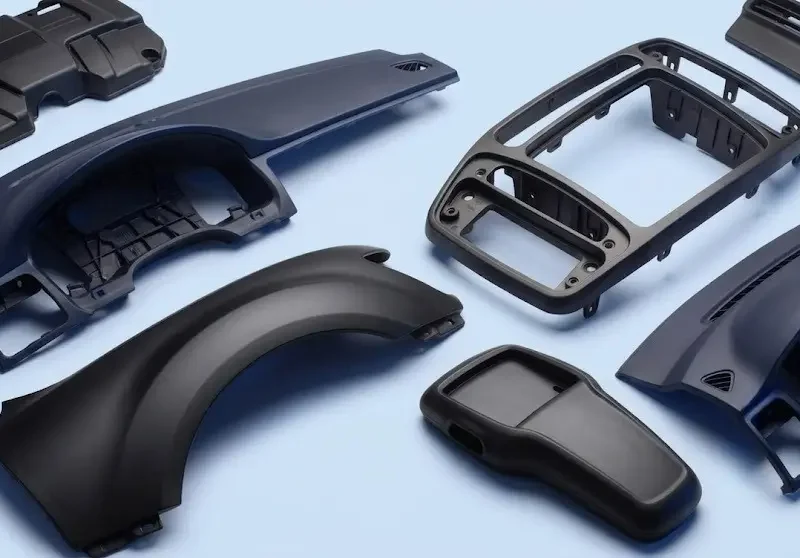
    Injection moulded plastic components serve critical functions across automotive, industrial electronics, medical devices, and consumer durables. These parts demand dimensional accuracy, surface finish quality, and material performance that was historically associated only with European or North American production.

    But today, the technical gap between the western production units and the Indian ones has narrowed substantially.[/vc_column_text][vc_custom_heading text=”Why Injection Moulding Contract Manufacturing Works for EU Programs” use_theme_fonts=”yes” css=””][vc_column_text css=”” text_direction=”default”]The injection moulding contract manufacturing model addresses several challenges that European product companies face simultaneously. First, it eliminates the capital expenditure associated with tooling and equipment acquisition. These investments often become increasingly difficult to justify for low to medium volume production runs or products with uncertain market trajectories.

    Second, it provides access to a complete manufacturing chain under one roof. A capable partner manages everything between tooling and mould fabrication, including injection moulding, post-moulding operations, and final assembly.

    A key benefit of end-to-end integration is that it defines required quality controls and enables full traceability. This is helpful to quickly identify the source of errors or the most economical way of accommodating design changes.

    A significant share of European industrial programs operates in low. Many industrial applications require initial production runs of just 50 to 500 units for pilot programs, regional product variants, or specialized industrial equipment.

    Indian contract manufacturers have built business models specifically around this flexibility.

    Rather than imposing blanket MOQ requirements of 10,000 or 50,000 units, they structure production to accommodate genuine demand patterns (as low as 50 units for their prototyping and low volume production service). The European OEMs can then safely scale the output as product design is tested in the real market, and volumes grow organically with the demand.[/vc_column_text][vc_custom_heading text=”India’s Technical Capabilities In Precision Plastic Part Manufacturing” use_theme_fonts=”yes” css=””][vc_column_text css=”” text_direction=”default”]The technical requirements for industrial injection moulded plastic components extend well beyond basic moulding. Low-volume production in India offers distinct advantages in this space: more manageable tooling costs, faster iteration cycles, and flexible production planning.

    Indian contract manufacturers, like Marcopolo Products, are specifically structured for low volumes. Once again, this capability allows more agility and cost-effectiveness in manufacturing of required components.

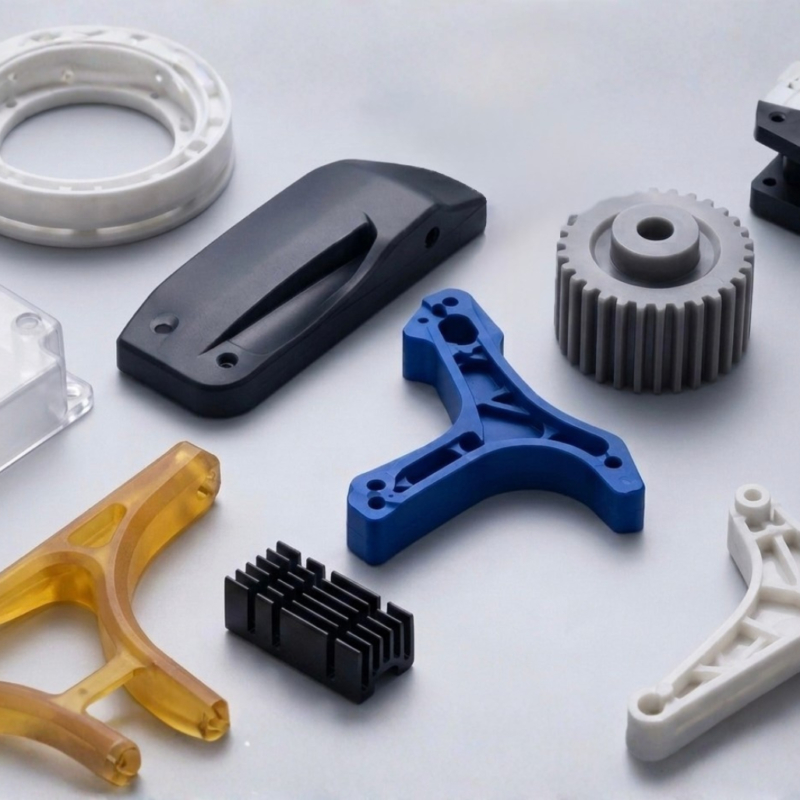
    Moreover, European applications frequently demand engineering polymers. These are materials that provide mechanical strength, thermal stability, chemical resistance, or electrical properties that commodity plastics cannot deliver.

    Marcopolo Products handles a comprehensive range of these engineering materials.

    • Standard engineering plastics include ABS for impact resistance and surface finish
    • Nylon (PA6 and PA66) for structural components requiring strength and wear resistance
    • Polypropylene (PP) for chemical compatibility
    • Polycarbonate (PC) for optical clarity and toughness
    • Polyoxymethylene (POM) for precision mechanical parts requiring low friction and dimensional stability

    For the Most Demanding Applications

    Additionally, let’s take some unique use cases: plastic components for aerospace applications, medical device housings, EV battery enclosures, and industry equipment that have to bear corrosive or slightly hotter temperatures.

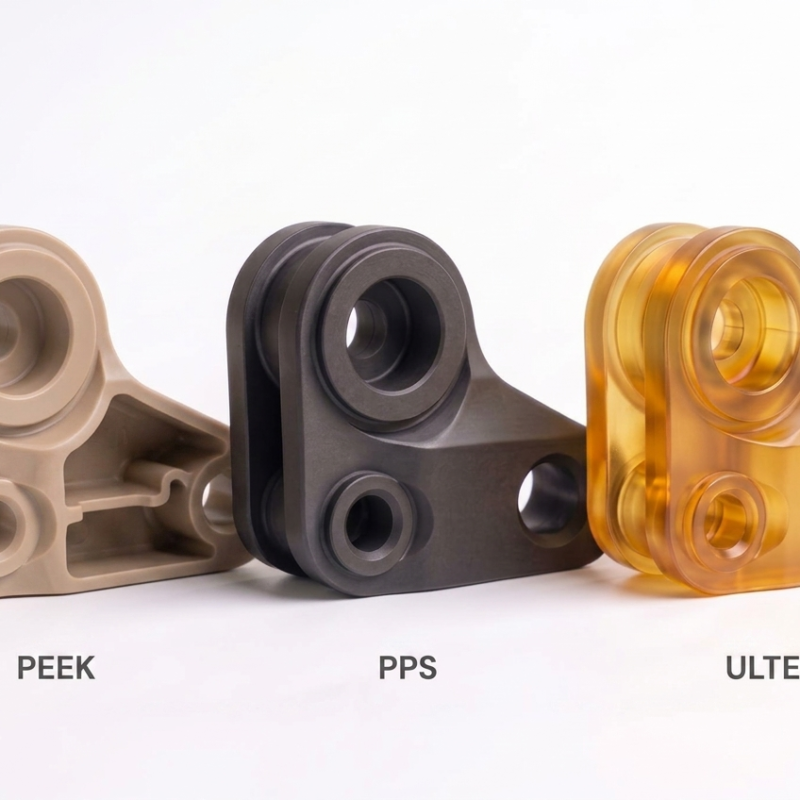
    In these environments, advanced thermoplastics like PEEK, ULTEM, and PPS become essential. Each offers a unique profile:

    • PEEK (polyetheretherketone) withstands continuous thermal exposure up to 260°C
    • ULTEM (polyetherimide) provides inherent flame resistance and structural integrity at high temperatures
    • PPS (polyphenylene sulfide) delivers exceptional chemical resistance and long-term dimensional stability

    Why Proven Low-Volume Expertise Matters?
    Successfully processing these advanced materials requires more than just standard injection moulding. Each polymer has a specific processing window, with exacting requirements for mold temperature and cooling that directly impact crystallinity, molecular orientation, and the final part’s mechanical properties. Experience in managing these parameters separates capable manufacturers from those simply offering low-cost production.[/vc_column_text][vc_custom_heading text=”Tooling and Moulding Integration Under One Roof” use_theme_fonts=”yes” css=””][vc_column_text css=”” text_direction=”default”]One of the most critical factors in successful contract manufacturing is tooling control. Separating tooling and moulding across vendors or geographies can inevitably extend lead time (time between starting the project and final delivery), complicates communication, and dilutes accountability.

    True integration of tooling and moulding under one roof accelerates timelines, enhances process stability, and extends tool life.

    It creates a vital feedback loop: engineering teams can immediately refine mould designs based on real-time production data, not theoretical assumptions.

    For European companies, this integration is a powerful risk-mitigation strategy. In other words, it allows them to address requirements in part geometry, material behavior, or tolerance without restarting supplier qualification or transferring tools across borders.

    A close coordinated synergy between tooling development and moulding operations allows practical manufacturing considerations to inform tool design from the very first concept. This guarantees a more reliable, efficient, and agile production pathway.[/vc_column_text][vc_custom_heading text=”Prototyping as Validation Before Production Tooling” use_theme_fonts=”yes” css=””][vc_column_text css=”” text_direction=”default”]Industrial component prototyping plays a vital role in European manufacturing programs. Prototypes are not simply visual samples. It’s a vital validation stage for form, fit, function, and assembly compatibility.

    This critical step occurs before finalising capital tooling investments, making it the most cost-effective point to identify and resolve issues.

    Indian injection moulding partners that support prototyping help European teams identify design issues early. This reduces rework, tooling modifications, and costly delays during production ramp-up.

    Feedback from prototypes informs tooling strategy, material selection, and process planning, creating a smoother transition into production tooling. This integrated methodology ensures a seamless, low-risk transition into full-scale production.[/vc_column_text][vc_custom_heading text=”Post-Moulding Operations and Assembly Support” use_theme_fonts=”yes” css=””][vc_column_text css=”” text_direction=”default”]Injection moulding rarely represents the final step in component delivery. Many European programs require post-moulding operations such as trimming, finishing, machining, or sub-assembly.

    Integrated post-moulding and assembly support simplifies supply chains. Components arrive ready for installation rather than requiring additional processing by European teams.

    Managing part families and multi-part projects adds further complexity. Consistency across variants, synchronized production schedules, and coordinated quality control become essential.

    Post-moulding operations and assembly support within the same manufacturing environment ensures alignment between moulding output and final component requirements.[/vc_column_text][vc_custom_heading text=”Ensuring Production Consistency and Repeatability” use_theme_fonts=”yes” css=””][vc_column_text css=”” text_direction=”default”]For European industrial components, consistency matters as much as initial quality. Parts produced months or years apart must perform identically within defined tolerances.

    Production consistency depends on controlled processes, stable tooling, trained operators, and documented quality systems. Indian manufacturers serving EU markets increasingly invest in these foundations.

    Marcopolo Plastics emphasizes process discipline and repeatability across production runs. This focus supports long product lifecycles and reduces variation-related risks for European customers.[/vc_column_text][vc_custom_heading text=”The Contract Manufacturing Model for Plastic Components” use_theme_fonts=”yes” css=””][vc_column_text css=”” text_direction=”default”]Effective contract manufacturing extends beyond production. It involves ownership of outcomes, coordination across functions, and accountability for quality and delivery.

    European companies increasingly prefer partners who can manage the complete plastic component lifecycle, from tooling and prototyping to production, assembly, and export coordination.

    An integrated manufacturing chain under one roof simplifies communication and reduces fragmentation. Decision-making becomes faster, and responsibility remains clear.

    Low volume and prototyping partners like Marcopolo Products operate within this integrated contract manufacturing model. This provides European partners with a single point of accountability for plastic component programs.[/vc_column_text][vc_custom_heading text=”Managing Complexity in EU Projects: Part Families and Multi-Component Projects” use_theme_fonts=”yes” css=””][vc_column_text css=”” text_direction=”default”]European industrial products rarely consist of single plastic components. More commonly, they involve part families, i.e., multiple components that share design language, assembly interfaces, or functional requirements.

    Here are a couple of examples of multi-component projects:

    • Control panel housing that includes a base, cover, internal brackets, wire management clips, light pipe elements, and various sealing components.
    • An industrial sensor assembly that requires a main body, cable gland, mounting bracket, lens cover, and internal component carriers.

    Managing these multi-part projects requires coordination capabilities that extend beyond individual component manufacturing. Contract manufacturing partnerships can consolidate design review, tooling development, production scheduling, quality verification, and assembly under unified project management.

    This approach simplifies logistics, reduces inventory complexity for European buyers managing multiple SKUs, and establishes clear accountability for complete assembly function.

    How do you guarantee that a plastic part will match perfectly with a metal assembly for the life of the product?

    Production consistency and repeatability become especially important when components must interface precisely with one another or with metal structures manufactured elsewhere. Insert moulding and over-moulding enable the combination of materials, embedded metal components, and functional layers within a single moulded part.

    • Insert moulding supports hybrid designs where strength, conductivity, or fastening elements are integrated directly into plastic components.
    • Over-moulding adds ergonomic, sealing, or protective features without secondary assembly steps.

    At Marcopolo, we ensure this through statistical process control, rigorous mold maintenance, and meticulously documented parameters.

    The result: a part produced in year three is dimensionally identical to one from the first production run. This long-term repeatability is critical for products with field service requirements, where future replacement parts must fit perfectly with original equipment.[/vc_column_text][vc_custom_heading text=”Quality Management Aligned with European Expectations” use_theme_fonts=”yes” css=””][vc_column_text css=”” text_direction=”default”]ISO 9001 certification provides the framework, but European buyers evaluate quality systems based on practical implementation rather than certificates alone. They examine whether sample inspection reports document all critical dimensions, whether in-process inspection catches deviations before full production batches are completed, and whether pre-delivery inspection (PDI) reports provide the traceability that their receiving inspection requires.

    Coordinate measuring machines (CMM) and vision measuring machines (VMM) enable verification of tight tolerances. These machines support high-tolerance components manufacturing (±0.02mm on critical dimensions), with surface finishes free from flow marks, sink marks, weld lines, and other cosmetic defects that affect both aesthetics and function.

    For parts requiring exceptional dimensional control, process capability studies demonstrate that manufacturing processes are inherently stable and centered within specification limits.

    The ability to achieve these tolerances consistently depends on controlling numerous variables: injection machine repeatability, mold temperature uniformity, material drying protocols that prevent moisture-related defects, and environmental controls that prevent thermal expansion during measurement.

    Manufacturers operating in tropical climates (like India) must pay particular attention to this last factor, ensuring that quality inspection occurs in temperature and humidity-controlled environments that mirror European conditions where parts will ultimately be used.

    Contract manufacturers who take care of quality control will truly benefit from India EU free trade agreement 2026. [/vc_column_text][vc_custom_heading text=”The India-EU Trade Opportunity” use_theme_fonts=”yes” css=””][vc_column_text css=”” text_direction=”default”]The commercial environment for Indian exports to EU manufacturing operations continues improving. Ongoing negotiations around the India EU free trade agreement signal both governments’ commitment to deeper economic integration.

    While a comprehensive India EU trade deal 2026 remains subject to diplomatic progress and ratification processes, the trajectory indicates growing recognition of mutual economic benefits.

    Even before a formal FTA, targeted EU tariff cuts for Indian exports in specific product categories have begun reducing landed costs for European buyers. Combined with India’s existing advantages in tooling cost, skilled technical labor availability, and factory overhead, these tariff reductions enhance the economic case for partnership. At the same time, it nudges to keep up with the quality and capability standards.

    Beyond tariffs, improved EU market access now delivers tangible operational benefits for Indian manufacturers. These includes:

    • Streamlined customs documentation requirements
    • Mutual recognition of certain quality standards and testing protocols
    • More direct shipping routes that reduce transit times from six weeks to four

    This enhanced trade infrastructure significantly reduces logistical friction, making cross-border partnerships as operationally viable as sourcing locally within Europe.

    European companies also gain confidence from India’s robust institutional framework. Its democratic governance, independent judiciary, and well-established legal system provide reliable mechanisms for contract enforcement and dispute resolution.

    Furthermore, intellectual property protections have strengthened considerably over the past decade, offering greater assurance of safeguarding confidential technical data and designs of the European clients.[/vc_column_text][vc_custom_heading text=”What Makes an Effective Partnership (Beyond Technical Expertise)” use_theme_fonts=”yes” css=””][vc_column_text css=”” text_direction=”default”]Successful plastic contract manufacturing for EU companies requires more than technical capability. Communication patterns, project management discipline, and cultural alignment all influence partnership effectiveness.

    For European companies, successful plastic contract manufacturing hinges as much on operational alignment as on technical skill. Effective communication, disciplined project management, and cultural understanding are critical to partnership success.

    European teams require meticulous documentation: first article inspection reports that correlate precisely with technical drawings, full material certifications tracing resin to supplier data sheets, and process capability studies that demonstrate statistical control. The ability to deliver this documentation in expected formats, without repeated clarification, establishes immediate credibility and trust in a supplier’s quality systems.

    For Marcopolo Products, serving European clients means adhering to this standard of operational excellence:

    • Documentation & Quality: Maintaining documentation aligned with ISO 9001 and other relevant EU standards.
    • Technical Communication: Providing English-language support from engineers fluent in European drawing conventions and GD&T practices.
    • Project Discipline: Structuring programs around familiar development timelines, with defined milestones and stage-gate reviews.

    This expertise extends to understanding nuanced requirements. We know that a “sample” for a German automotive Tier-1 requires full certification and signed inspection reports, whereas an “appearance model” serves a different purpose. We can discern when a request for “tight tolerances” is functionally critical versus a conservative specification, offering guidance to optimize cost without compromising performance.

    Ultimately, it is this deep operational and cultural alignment (not just manufacturing capability) that builds the lasting confidence essential for a seamless transcontinental partnership.[/vc_column_text][vc_custom_heading text=”Reshaping European Manufacturing Through Global Partnerships” use_theme_fonts=”yes” css=””][vc_column_text css=”” text_direction=”default”]The rise of plastic contract manufacturing for EU companies in India reflects broader trends and a fundamental shift in global strategy. India EU trade deal 2026 (Free Trade Agreement, FTA) is going to make it even stronger.

    However, European manufacturers will only show interest if the offering partner is competent with their usual partners (from China, SouthEast Asia, or in Europe itself). India has matured to meet this demand decisively. The sector now offers not just cost efficiency, but the full spectrum of engineering capability, disciplined quality management, and project coordination that aligns seamlessly with European standards.

    For injection moulded plastic components specifically, this creates a uniquely compelling proposition. It combines technical expertise across the entire production journey (from 50-unit pilot runs to medium-volume series) with deep materials knowledge spanning standard polymers to advanced high-performance grades, all supported by improving trade infrastructure.

    As European companies continue navigating cost pressures, supply chain resilience requirements, and the constant need for manufacturing flexibility, partnerships with capable Indian injection moulding contract manufacturing specialists like Marcopolo Products Pvt. Ltd. will play an increasingly central role in competitive product development.[/vc_column_text][vc_custom_heading text=”FAQs” use_theme_fonts=”yes” css=””][toggles style=”minimal” accordion=”true” accordion_starting_functionality=”default”][toggle color=”Default” heading_tag=”h5″ heading_tag_functionality=”change_html_tag” title=”Why are EU companies increasingly sourcing injection moulded plastic components from India?”][vc_column_text css=”” text_direction=”default”]EU manufacturers are diversifying supply chains to balance cost control, capacity availability, and engineering depth. India offers mature capabilities in producing injection moulded plastic components, supported by experienced technical teams and export-oriented manufacturing systems aligned with European industrial standards.[/vc_column_text][/toggle][toggle color=”Default” heading_tag=”h5″ heading_tag_functionality=”change_html_tag” title=”Can Indian manufacturers support low-volume and pilot production programs?”][vc_column_text css=”” text_direction=”default”]Yes. Many Indian manufacturers are structured specifically for low-volume production, supporting pilot programs, phased ramp-ups, and multi-variant industrial components without the cost inefficiencies typically associated with European production setups.[/vc_column_text][/toggle][toggle color=”Default” heading_tag=”h5″ heading_tag_functionality=”change_html_tag” title=”How important is tooling integration in the EU’s industrial outsourcing of plastic contract manufacturing?”][vc_column_text css=”” text_direction=”default”]In the EU’s industrial outsourcing of plastic contract manufacturing, tooling integration reduces lead times, minimizes production risk, and improves long-term quality. Managing tooling and moulding within the same facility allows faster design changes and better process control throughout the product lifecycle.[/vc_column_text][/toggle][toggle color=”Default” heading_tag=”h5″ heading_tag_functionality=”change_html_tag” title=”What post-moulding services are included in plastic contract manufacturing for EU companies?”][vc_column_text css=”” text_direction=”default”]Plastic contract manufacturing for EU companies often includes trimming, finishing, machining, and sub-assembly. Integrated post-moulding operations allow components to be delivered in installation-ready condition.[/vc_column_text][/toggle][toggle color=”Default” heading_tag=”h5″ heading_tag_functionality=”change_html_tag” title=”What role does prototyping play before final production tooling?”][vc_column_text css=”” text_direction=”default”]Prototyping validates part geometry, functional performance, and assembly compatibility before capital tooling investment. It reduces technical risk and helps identify design refinements early in the development cycle.[/vc_column_text][/toggle][toggle color=”Default” heading_tag=”h5″ heading_tag_functionality=”change_html_tag” title=”How can European companies evaluate the right Indian injection moulding partner?”][vc_column_text css=”” text_direction=”default”]When selecting a contract manufacturing partner in India, the evaluation should focus on technical capability, tooling integration, quality systems, export experience, and the ability to support low to medium volumes. Long-term reliability and engineering collaboration matter more than unit price alone.[/vc_column_text][/toggle][toggle color=”Default” heading_tag=”h5″ heading_tag_functionality=”change_html_tag” title=”What impact will the India–EU free trade agreement have on manufacturing partnerships?”][vc_column_text css=”” text_direction=”default”]The India EU trade deal 2026 is expected to improve EU market access for Indian manufacturers. Potential tariff cuts will further strengthen the competitiveness of Indian exports to EU manufacturing supply chains.[/vc_column_text][/toggle][/toggles][/vc_column][/vc_row][vc_row type=”in_container” full_screen_row_position=”middle” column_margin=”default” column_direction=”default” column_direction_tablet=”default” column_direction_phone=”default” scene_position=”center” text_color=”dark” text_align=”left” row_border_radius=”none” row_border_radius_applies=”bg” overflow=”visible” overlay_strength=”0.3″ gradient_direction=”left_to_right” shape_divider_position=”bottom” bg_image_animation=”none”][vc_column column_padding=”no-extra-padding” column_padding_tablet=”inherit” column_padding_phone=”inherit” column_padding_position=”all” column_element_direction_desktop=”default” column_element_spacing=”default” desktop_text_alignment=”default” tablet_text_alignment=”default” phone_text_alignment=”default” background_color_opacity=”1″ background_hover_color_opacity=”1″ column_backdrop_filter=”none” column_shadow=”none” column_border_radius=”none” column_link_target=”_self” column_position=”default” gradient_direction=”left_to_right” overlay_strength=”0.3″ width=”1/1″ tablet_width_inherit=”default” animation_type=”default” bg_image_animation=”none” border_type=”simple” column_border_width=”none” column_border_style=”solid”][vc_raw_html css=””]JTNDc2NyaXB0JTIwdHlwZSUzRCUyMmFwcGxpY2F0aW9uJTJGbGQlMkJqc29uJTIyJTNFJTBBJTdCJTBBJTIwJTIwJTIyJTQwY29udGV4dCUyMiUzQSUyMCUyMmh0dHBzJTNBJTJGJTJGc2NoZW1hLm9yZyUyMiUyQyUwQSUyMCUyMCUyMiU0MHR5cGUlMjIlM0ElMjAlMjJGQVFQYWdlJTIyJTJDJTBBJTIwJTIwJTIybWFpbkVudGl0eSUyMiUzQSUyMCU1QiU3QiUwQSUyMCUyMCUyMCUyMCUyMiU0MHR5cGUlMjIlM0ElMjAlMjJRdWVzdGlvbiUyMiUyQyUwQSUyMCUyMCUyMCUyMCUyMm5hbWUlMjIlM0ElMjAlMjJXaHklMjBhcmUlMjBFVSUyMGNvbXBhbmllcyUyMGluY3JlYXNpbmdseSUyMHNvdXJjaW5nJTIwaW5qZWN0aW9uJTIwbW91bGRlZCUyMHBsYXN0aWMlMjBjb21wb25lbnRzJTIwZnJvbSUyMEluZGlhJTNGJTIyJTJDJTBBJTIwJTIwJTIwJTIwJTIyYWNjZXB0ZWRBbnN3ZXIlMjIlM0ElMjAlN0IlMEElMjAlMjAlMjAlMjAlMjAlMjAlMjIlNDB0eXBlJTIyJTNBJTIwJTIyQW5zd2VyJTIyJTJDJTBBJTIwJTIwJTIwJTIwJTIwJTIwJTIydGV4dCUyMiUzQSUyMCUyMkVVJTIwbWFudWZhY3R1cmVycyUyMGFyZSUyMGRpdmVyc2lmeWluZyUyMHN1cHBseSUyMGNoYWlucyUyMHRvJTIwYmFsYW5jZSUyMGNvc3QlMjBjb250cm9sJTJDJTIwY2FwYWNpdHklMjBhdmFpbGFiaWxpdHklMkMlMjBhbmQlMjBlbmdpbmVlcmluZyUyMGRlcHRoLiUyMEluZGlhJTIwb2ZmZXJzJTIwbWF0dXJlJTIwY2FwYWJpbGl0aWVzJTIwaW4lMjBwcm9kdWNpbmclMjBpbmplY3Rpb24lMjBtb3VsZGVkJTIwcGxhc3RpYyUyMGNvbXBvbmVudHMlMkMlMjBzdXBwb3J0ZWQlMjBieSUyMGV4cGVyaWVuY2VkJTIwdGVjaG5pY2FsJTIwdGVhbXMlMjBhbmQlMjBleHBvcnQtb3JpZW50ZWQlMjBtYW51ZmFjdHVyaW5nJTIwc3lzdGVtcyUyMGFsaWduZWQlMjB3aXRoJTIwRXVyb3BlYW4lMjBpbmR1c3RyaWFsJTIwc3RhbmRhcmRzLiUyMiUwQSUyMCUyMCUyMCUyMCU3RCUwQSUyMCUyMCU3RCUyQyU3QiUwQSUyMCUyMCUyMCUyMCUyMiU0MHR5cGUlMjIlM0ElMjAlMjJRdWVzdGlvbiUyMiUyQyUwQSUyMCUyMCUyMCUyMCUyMm5hbWUlMjIlM0ElMjAlMjJDYW4lMjBJbmRpYW4lMjBtYW51ZmFjdHVyZXJzJTIwc3VwcG9ydCUyMGxvdy12b2x1bWUlMjBhbmQlMjBwaWxvdCUyMHByb2R1Y3Rpb24lMjBwcm9ncmFtcyUzRiUyMiUyQyUwQSUyMCUyMCUyMCUyMCUyMmFjY2VwdGVkQW5zd2VyJTIyJTNBJTIwJTdCJTBBJTIwJTIwJTIwJTIwJTIwJTIwJTIyJTQwdHlwZSUyMiUzQSUyMCUyMkFuc3dlciUyMiUyQyUwQSUyMCUyMCUyMCUyMCUyMCUyMCUyMnRleHQlMjIlM0ElMjAlMjJZZXMuJTIwTWFueSUyMEluZGlhbiUyMG1hbnVmYWN0dXJlcnMlMjBhcmUlMjBzdHJ1Y3R1cmVkJTIwc3BlY2lmaWNhbGx5JTIwZm9yJTIwbG93LXZvbHVtZSUyMHByb2R1Y3Rpb24lMkMlMjBzdXBwb3J0aW5nJTIwcGlsb3QlMjBwcm9ncmFtcyUyQyUyMHBoYXNlZCUyMHJhbXAtdXBzJTJDJTIwYW5kJTIwbXVsdGktdmFyaWFudCUyMGluZHVzdHJpYWwlMjBjb21wb25lbnRzJTIwd2l0aG91dCUyMHRoZSUyMGNvc3QlMjBpbmVmZmljaWVuY2llcyUyMHR5cGljYWxseSUyMGFzc29jaWF0ZWQlMjB3aXRoJTIwRXVyb3BlYW4lMjBwcm9kdWN0aW9uJTIwc2V0dXBzLiUyMiUwQSUyMCUyMCUyMCUyMCU3RCUwQSUyMCUyMCU3RCUyQyU3QiUwQSUyMCUyMCUyMCUyMCUyMiU0MHR5cGUlMjIlM0ElMjAlMjJRdWVzdGlvbiUyMiUyQyUwQSUyMCUyMCUyMCUyMCUyMm5hbWUlMjIlM0ElMjAlMjJIb3clMjBpbXBvcnRhbnQlMjBpcyUyMHRvb2xpbmclMjBpbnRlZ3JhdGlvbiUyMGluJTIwdGhlJTIwRVUlMjdzJTIwaW5kdXN0cmlhbCUyMG91dHNvdXJjaW5nJTIwb2YlMjBwbGFzdGljJTIwY29udHJhY3QlMjBtYW51ZmFjdHVyaW5nJTNGJTIyJTJDJTBBJTIwJTIwJTIwJTIwJTIyYWNjZXB0ZWRBbnN3ZXIlMjIlM0ElMjAlN0IlMEElMjAlMjAlMjAlMjAlMjAlMjAlMjIlNDB0eXBlJTIyJTNBJTIwJTIyQW5zd2VyJTIyJTJDJTBBJTIwJTIwJTIwJTIwJTIwJTIwJTIydGV4dCUyMiUzQSUyMCUyMkluJTIwdGhlJTIwRVUlMjdzJTIwaW5kdXN0cmlhbCUyMG91dHNvdXJjaW5nJTIwb2YlMjBwbGFzdGljJTIwY29udHJhY3QlMjBtYW51ZmFjdHVyaW5nJTJDJTIwdG9vbGluZyUyMGludGVncmF0aW9uJTIwcmVkdWNlcyUyMGxlYWQlMjB0aW1lcyUyQyUyMG1pbmltaXplcyUyMHByb2R1Y3Rpb24lMjByaXNrJTJDJTIwYW5kJTIwaW1wcm92ZXMlMjBsb25nLXRlcm0lMjBxdWFsaXR5LiUyME1hbmFnaW5nJTIwdG9vbGluZyUyMGFuZCUyMG1vdWxkaW5nJTIwd2l0aGluJTIwdGhlJTIwc2FtZSUyMGZhY2lsaXR5JTIwYWxsb3dzJTIwZmFzdGVyJTIwZGVzaWduJTIwY2hhbmdlcyUyMGFuZCUyMGJldHRlciUyMHByb2Nlc3MlMjBjb250cm9sJTIwdGhyb3VnaG91dCUyMHRoZSUyMHByb2R1Y3QlMjBsaWZlY3ljbGUuJTIyJTBBJTIwJTIwJTIwJTIwJTdEJTBBJTIwJTIwJTdEJTJDJTdCJTBBJTIwJTIwJTIwJTIwJTIyJTQwdHlwZSUyMiUzQSUyMCUyMlF1ZXN0aW9uJTIyJTJDJTBBJTIwJTIwJTIwJTIwJTIybmFtZSUyMiUzQSUyMCUyMldoYXQlMjByb2xlJTIwZG9lcyUyMHByb3RvdHlwaW5nJTIwcGxheSUyMGJlZm9yZSUyMGZpbmFsJTIwcHJvZHVjdGlvbiUyMHRvb2xpbmclM0YlMjIlMkMlMEElMjAlMjAlMjAlMjAlMjJhY2NlcHRlZEFuc3dlciUyMiUzQSUyMCU3QiUwQSUyMCUyMCUyMCUyMCUyMCUyMCUyMiU0MHR5cGUlMjIlM0ElMjAlMjJBbnN3ZXIlMjIlMkMlMEElMjAlMjAlMjAlMjAlMjAlMjAlMjJ0ZXh0JTIyJTNBJTIwJTIyUHJvdG90eXBpbmclMjB2YWxpZGF0ZXMlMjBwYXJ0JTIwZ2VvbWV0cnklMkMlMjBmdW5jdGlvbmFsJTIwcGVyZm9ybWFuY2UlMkMlMjBhbmQlMjBhc3NlbWJseSUyMGNvbXBhdGliaWxpdHklMjBiZWZvcmUlMjBjYXBpdGFsJTIwdG9vbGluZyUyMGludmVzdG1lbnQuJTIwSXQlMjByZWR1Y2VzJTIwdGVjaG5pY2FsJTIwcmlzayUyMGFuZCUyMGhlbHBzJTIwaWRlbnRpZnklMjBkZXNpZ24lMjByZWZpbmVtZW50cyUyMGVhcmx5JTIwaW4lMjB0aGUlMjBkZXZlbG9wbWVudCUyMGN5Y2xlLiUyMiUwQSUyMCUyMCUyMCUyMCU3RCUwQSUyMCUyMCU3RCUyQyU3QiUwQSUyMCUyMCUyMCUyMCUyMiU0MHR5cGUlMjIlM0ElMjAlMjJRdWVzdGlvbiUyMiUyQyUwQSUyMCUyMCUyMCUyMCUyMm5hbWUlMjIlM0ElMjAlMjJXaGF0JTIwcG9zdC1tb3VsZGluZyUyMHNlcnZpY2VzJTIwYXJlJTIwaW5jbHVkZWQlMjBpbiUyMHBsYXN0aWMlMjBjb250cmFjdCUyMG1hbnVmYWN0dXJpbmclMjBmb3IlMjBFVSUyMGNvbXBhbmllcyUzRiUyMiUyQyUwQSUyMCUyMCUyMCUyMCUyMmFjY2VwdGVkQW5zd2VyJTIyJTNBJTIwJTdCJTBBJTIwJTIwJTIwJTIwJTIwJTIwJTIyJTQwdHlwZSUyMiUzQSUyMCUyMkFuc3dlciUyMiUyQyUwQSUyMCUyMCUyMCUyMCUyMCUyMCUyMnRleHQlMjIlM0ElMjAlMjJQbGFzdGljJTIwY29udHJhY3QlMjBtYW51ZmFjdHVyaW5nJTIwZm9yJTIwRVUlMjBjb21wYW5pZXMlMjBvZnRlbiUyMGluY2x1ZGVzJTIwdHJpbW1pbmclMkMlMjBmaW5pc2hpbmclMkMlMjBtYWNoaW5pbmclMkMlMjBhbmQlMjBzdWItYXNzZW1ibHkuJTIwSW50ZWdyYXRlZCUyMHBvc3QtbW91bGRpbmclMjBvcGVyYXRpb25zJTIwYWxsb3clMjBjb21wb25lbnRzJTIwdG8lMjBiZSUyMGRlbGl2ZXJlZCUyMGluJTIwaW5zdGFsbGF0aW9uLXJlYWR5JTIwY29uZGl0aW9uLiUyMiUwQSUyMCUyMCUyMCUyMCU3RCUwQSUyMCUyMCU3RCUyQyU3QiUwQSUyMCUyMCUyMCUyMCUyMiU0MHR5cGUlMjIlM0ElMjAlMjJRdWVzdGlvbiUyMiUyQyUwQSUyMCUyMCUyMCUyMCUyMm5hbWUlMjIlM0ElMjAlMjJXaGF0JTIwaW1wYWN0JTIwd2lsbCUyMHRoZSUyMEluZGlhJUUyJTgwJTkzRVUlMjBmcmVlJTIwdHJhZGUlMjBhZ3JlZW1lbnQlMjBoYXZlJTIwb24lMjBtYW51ZmFjdHVyaW5nJTIwcGFydG5lcnNoaXBzJTNGJTIyJTJDJTBBJTIwJTIwJTIwJTIwJTIyYWNjZXB0ZWRBbnN3ZXIlMjIlM0ElMjAlN0IlMEElMjAlMjAlMjAlMjAlMjAlMjAlMjIlNDB0eXBlJTIyJTNBJTIwJTIyQW5zd2VyJTIyJTJDJTBBJTIwJTIwJTIwJTIwJTIwJTIwJTIydGV4dCUyMiUzQSUyMCUyMlRoZSUyMEluZGlhJTIwRVUlMjB0cmFkZSUyMGRlYWwlMjAyMDI2JTIwaXMlMjBleHBlY3RlZCUyMHRvJTIwaW1wcm92ZSUyMEVVJTIwbWFya2V0JTIwYWNjZXNzJTIwZm9yJTIwSW5kaWFuJTIwbWFudWZhY3R1cmVycy4lMjBQb3RlbnRpYWwlMjB0YXJpZmYlMjBjdXRzJTIwd2lsbCUyMGZ1cnRoZXIlMjBzdHJlbmd0aGVuJTIwdGhlJTIwY29tcGV0aXRpdmVuZXNzJTIwb2YlMjBJbmRpYW4lMjBleHBvcnRzJTIwdG8lMjBFVSUyMG1hbnVmYWN0dXJpbmclMjBzdXBwbHklMjBjaGFpbnMuJTIyJTBBJTIwJTIwJTIwJTIwJTdEJTBBJTIwJTIwJTdEJTJDJTdCJTBBJTIwJTIwJTIwJTIwJTIyJTQwdHlwZSUyMiUzQSUyMCUyMlF1ZXN0aW9uJTIyJTJDJTBBJTIwJTIwJTIwJTIwJTIybmFtZSUyMiUzQSUyMCUyMkhvdyUyMGNhbiUyMEV1cm9wZWFuJTIwY29tcGFuaWVzJTIwZXZhbHVhdGUlMjB0aGUlMjByaWdodCUyMEluZGlhbiUyMGluamVjdGlvbiUyMG1vdWxkaW5nJTIwcGFydG5lciUzRiUyMiUyQyUwQSUyMCUyMCUyMCUyMCUyMmFjY2VwdGVkQW5zd2VyJTIyJTNBJTIwJTdCJTBBJTIwJTIwJTIwJTIwJTIwJTIwJTIyJTQwdHlwZSUyMiUzQSUyMCUyMkFuc3dlciUyMiUyQyUwQSUyMCUyMCUyMCUyMCUyMCUyMCUyMnRleHQlMjIlM0ElMjAlMjJXaGVuJTIwc2VsZWN0aW5nJTIwYSUyMGNvbnRyYWN0JTIwbWFudWZhY3R1cmluZyUyMHBhcnRuZXIlMjBpbiUyMEluZGlhJTJDJTIwdGhlJTIwZXZhbHVhdGlvbiUyMHNob3VsZCUyMGZvY3VzJTIwb24lMjB0ZWNobmljYWwlMjBjYXBhYmlsaXR5JTJDJTIwdG9vbGluZyUyMGludGVncmF0aW9uJTJDJTIwcXVhbGl0eSUyMHN5c3RlbXMlMkMlMjBleHBvcnQlMjBleHBlcmllbmNlJTJDJTIwYW5kJTIwdGhlJTIwYWJpbGl0eSUyMHRvJTIwc3VwcG9ydCUyMGxvdyUyMHRvJTIwbWVkaXVtJTIwdm9sdW1lcy4lMjBMb25nLXRlcm0lMjByZWxpYWJpbGl0eSUyMGFuZCUyMGVuZ2luZWVyaW5nJTIwY29sbGFib3JhdGlvbiUyMG1hdHRlciUyMG1vcmUlMjB0aGFuJTIwdW5pdCUyMHByaWNlJTIwYWxvbmUuJTIyJTBBJTIwJTIwJTIwJTIwJTdEJTBBJTIwJTIwJTdEJTVEJTBBJTdEJTBBJTNDJTJGc2NyaXB0JTNF[/vc_raw_html][/vc_column][/vc_row]

  • Delivering Cockpit Assemblies in 5 Weeks with CNC Manufacturing for a Leading Automotive OEM

    Delivering Cockpit Assemblies in 5 Weeks with CNC Manufacturing for a Leading Automotive OEM

    [vc_row type=”in_container” full_screen_row_position=”middle” column_margin=”60px” column_direction=”default” column_direction_tablet=”default” column_direction_phone=”default” scene_position=”center” top_padding=”30″ top_padding_tablet=”20″ top_padding_phone=”10″ text_color=”dark” text_align=”left” row_border_radius=”none” row_border_radius_applies=”bg” overflow=”visible” overlay_strength=”0.3″ gradient_direction=”left_to_right” shape_divider_position=”bottom” bg_image_animation=”none” gradient_type=”default” shape_type=””][vc_column column_padding=”no-extra-padding” column_padding_tablet=”inherit” column_padding_phone=”inherit” column_padding_position=”all” column_element_direction_desktop=”default” column_element_spacing=”default” desktop_text_alignment=”default” tablet_text_alignment=”default” phone_text_alignment=”default” sticky_content=”true” sticky_content_functionality=”js” background_color_opacity=”1″ background_hover_color_opacity=”1″ column_backdrop_filter=”none” column_shadow=”none” column_border_radius=”none” column_link_target=”_self” column_position=”default” gradient_direction=”left_to_right” overlay_strength=”0.3″ width=”4/12″ tablet_width_inherit=”default” animation_type=”default” bg_image_animation=”none” border_type=”simple” column_border_width=”none” column_border_style=”solid” column_padding_type=”default” gradient_type=”default”][vc_custom_heading text=”Delivering Cockpit Assemblies in 5 Weeks with CNC Manufacturing for a Leading Automotive OEM” font_container=”tag:h1|text_align:left” use_theme_fonts=”yes” css=””][divider line_type=”No Line” custom_height=”20″ custom_height_tablet=”20″ custom_height_phone=”10″][vc_column_text css=”” text_direction=”default”][addtoany][/vc_column_text][/vc_column][vc_column column_padding=”no-extra-padding” column_padding_tablet=”inherit” column_padding_phone=”inherit” column_padding_position=”all” column_element_direction_desktop=”default” column_element_spacing=”default” desktop_text_alignment=”default” tablet_text_alignment=”default” phone_text_alignment=”default” background_color_opacity=”1″ background_hover_color_opacity=”1″ column_backdrop_filter=”none” column_shadow=”none” column_border_radius=”none” column_link_target=”_self” column_position=”default” gradient_direction=”left_to_right” overlay_strength=”0.3″ width=”8/12″ tablet_width_inherit=”default” animation_type=”default” bg_image_animation=”none” border_type=”simple” column_border_width=”none” column_border_style=”solid”][image_with_animation image_url=”1139″ image_size=”full” max_width=”100%” max_width_mobile=”default” animation_type=”entrance” animation=”None” animation_movement_type=”transform_y” hover_animation=”none” alignment=”center” border_radius=”10px” box_shadow=”none” image_loading=”default” margin_bottom=”30″][vc_column_text css=”” text_direction=”default”]Proto vehicle development is one of the most risk-intensive phases of an automotive program. Timelines are compressed, tolerances are unforgiving, and any delay in receiving validated assemblies can cascade into missed testing windows and stalled vehicle builds.

    Marcopolo Products partnered with a leading automotive OEM to deliver fully assembled, dimensionally validated cockpit systems for a new Heavy Commercial Vehicle (HCV) platform. The goal was to meet the strict gap, flush, and functional testing requirements within an aggressive development schedule.[/vc_column_text][vc_custom_heading text=”The Context: Why Proto Vehicle Builds Fail Under Pressure” use_theme_fonts=”yes” css=””][vc_column_text css=”” text_direction=”default”]A leading automotive OEM was developing a new Heavy Commercial Vehicle platform, a truck engineered for demanding industrial applications.

    • The timeline was aggressive.
    • The engineering requirements were uncompromising.
    • And failure wasn’t an option.

    The OEM was developing a next-generation truck platform with tight prototype build deadlines.

    The mission-critical component: a complete cockpit assembly measuring up to 2 meters in length. This wasn’t a simple part; it required complete integration of child components with load-bearing capability, dimensional precision, and the ability to withstand functional testing without compromise.[/vc_column_text][vc_custom_heading text=”The Critical Challenge” use_theme_fonts=”yes” css=””][vc_column_text css=”” text_direction=”default”]Standard prototyping approaches couldn’t deliver the combination of strength, precision, and speed required. The OEM needed a manufacturing partner who could deliver load-bearing assemblies, validate them to exact specifications, and maintain aggressive timelines.

    The Critical Requirements

    Dimensional Accuracy Through CMM Validation
    All child parts required individual fixture validation using CMM (Coordinate Measuring Machine). Gap and flush specifications had to be maintained across every assembly. Dimensional accuracy was foundational to the entire assembly’s success.

    Aggressive Timeline Constraints
    • 9 complete cockpit assemblies
    • 5-week total delivery window

    Any delay in assembly delivery would directly delay prototype vehicle builds and downstream testing activities.
    Structural Requirements for Functional Testing
    A 2-meter-long assembly had to withstand functional testing. This required structural performance beyond what SLA or vacuum casting could provide for this specific application.

    Finishing Flexibility
    • 5 sets painted as per OEM specifications
    • 4 sets unpainted for specific testing requirementsAll assemblies needed to meet identical dimensional and structural standards.

    [/vc_column_text][vc_custom_heading text=”The Solution: CNC Machining with CMM Validation” use_theme_fonts=”yes” css=””][vc_column_text css=”” text_direction=”default”]Marcopolo’s response was straightforward: apply precision manufacturing methodology to prototype delivery. Don’t compromise on material strength or dimensional accuracy. Use advanced technology and rigorous validation to achieve both speed and precision.

    Three Core Principles

    1. Material Strength for Load-Bearing Requirements
    CNC Machining in ABS Material: ABS was selected to provide better structural performance than SLA or vacuum casting for this load-bearing prototype application. CNC machining ensured both dimensional stability and functional integrity required for testing.

    2. Validation at Every Step
    CMM Fixture Validation: Individual fixtures were developed and validated using CMM for each child part. Fixtures were verified before assembly, ensuring that dimensional deviations were identified early rather than during integration.

    3. Optimized Mating Areas for Precision
    CNC Optimization: Critical mating areas were optimized through precision CNC machining to ensure accurate fitment across the full 2-meter assembly length. Dimensional accuracy was achieved through machining discipline rather than post-assembly adjustment.

    The Strategic Approach
    Advanced CNC Technology + Rigorous CMM Validation + Optimized Machining At Critical Points = Accuracy At Speed.

    No compromise on either dimension.[/vc_column_text][vc_custom_heading text=”How We Delivered on Schedule: Four-Step Delivery Process” use_theme_fonts=”yes” css=””][vc_column_text css=”” text_direction=”default”]Step 1: Technology & Fixture Design
    CNC machining was selected for its ability to deliver dimensional accuracy and structural performance. ABS material was chosen to meet functional testing requirements. Individual fixtures were designed for each child’s part.

    Step 2: CMM Validation
    Each fixture was validated using CMM before assembly. Gap and flush requirements were verified through dimensional measurement, and child parts were qualified individually.

    Step 3: Rapid Quality Correction
    When deviations were identified, fixture corrections were implemented and re-validated within 4 days, preventing downstream delays and maintaining project momentum.

    Step 4: Production & Delivery
    Machining was optimized at critical mating areas to ensure accurate fitment across the complete assembly. Painted and unpainted variants were produced as specified, and all assemblies were delivered within the 5-week project window.[/vc_column_text][vc_row_inner equal_height=”yes” content_placement=”middle” column_margin=”default” column_direction=”default” column_direction_tablet=”default” column_direction_phone=”default” text_align=”left” row_position=”default” row_position_tablet=”inherit” row_position_phone=”inherit” overflow=”visible” pointer_events=”all” css=”.vc_custom_1761799222296{padding-top: 40px !important;padding-right: 40px !important;padding-bottom: 40px !important;padding-left: 40px !important;background-color: #1927ea !important;border-radius: 10px !important;}”][vc_column_inner column_padding=”no-extra-padding” column_padding_tablet=”inherit” column_padding_phone=”inherit” column_padding_position=”all” column_element_direction_desktop=”default” column_element_spacing=”default” desktop_text_alignment=”default” tablet_text_alignment=”default” phone_text_alignment=”default” background_color_opacity=”1″ background_hover_color_opacity=”1″ column_backdrop_filter=”none” column_shadow=”none” column_border_radius=”none” column_link_target=”_self” overflow=”visible” gradient_direction=”left_to_right” overlay_strength=”0.3″ width=”2/3″ tablet_width_inherit=”default” animation_type=”default” bg_image_animation=”none” border_type=”simple” column_border_width=”none” column_border_style=”solid”][vc_custom_heading text=”Discuss your prototype challenges with our CNC and CMM experts.” font_container=”tag:h3|text_align:left|color:%23ffffff” use_theme_fonts=”yes” css=”.vc_custom_1769768611201{margin-bottom: 0px !important;}” el_class=”cta”][/vc_column_inner][vc_column_inner column_padding=”no-extra-padding” column_padding_tablet=”inherit” column_padding_phone=”inherit” column_padding_position=”all” column_element_direction_desktop=”default” column_element_spacing=”default” desktop_text_alignment=”default” tablet_text_alignment=”default” phone_text_alignment=”default” background_color_opacity=”1″ background_hover_color_opacity=”1″ column_backdrop_filter=”none” column_shadow=”none” column_border_radius=”none” column_link_target=”_self” overflow=”visible” gradient_direction=”left_to_right” overlay_strength=”0.3″ width=”1/3″ tablet_width_inherit=”default” animation_type=”default” bg_image_animation=”none” border_type=”simple” column_border_width=”none” column_border_style=”solid” column_padding_type=”default” gradient_type=”default”][nectar_btn size=”large” button_style=”regular” button_color_2=”Accent-Color” color_override=”#ffffff” solid_text_color_override=”#101140″ icon_family=”none” el_class=”whiteborder blogbtn” button_id=”btn1″ text=”Contact Us” url=”https://marcopolo.admsebiz.com/contact-us/”][/vc_column_inner][/vc_row_inner][vc_custom_heading text=”Results: 9 Assemblies Delivered On Schedule” use_theme_fonts=”yes” css=””][vc_column_text css=”” text_direction=”default”]

    • 15-18 Days Per Batch : Complete cockpit assembly sets with fixture validation delivered within 15-18 days per batch
    • 9 Total Assemblies : Complete cockpit assemblies delivered within a 5-week project timeline
    • 4 Days Correction : Deviations identified during CMM validation were corrected and revalidated within 4 days
    • 100% CMM Verified : All assemblies are validated on the CMM for dimensional accuracy before delivery

    [/vc_column_text][vc_custom_heading text=”Delivery Breakdown” use_theme_fonts=”yes” css=””][vc_raw_html css=””]JTNDdGFibGUlMjB3aWR0aCUzRCUyMjEwMCUyNSUyMiUyMGNlbGxwYWRkaW5nJTNEJTIyOCUyMiUyMGNlbGxzcGFjaW5nJTNEJTIyMCUyMiUyMHN0eWxlJTNEJTIyYm9yZGVyLWNvbGxhcHNlJTNBJTIwY29sbGFwc2UlM0IlMjBmb250LWZhbWlseSUzQSUyMEFyaWFsJTJDJTIwc2Fucy1zZXJpZiUzQiUyMGZvbnQtc2l6ZSUzQTE0cHglM0IlMjIlM0UlMEElMjAlMjAlMjAlMjAlM0N0aGVhZCUzRSUwQSUyMCUyMCUyMCUyMCUyMCUyMCUyMCUyMCUzQ3RyJTIwc3R5bGUlM0QlMjJiYWNrZ3JvdW5kLWNvbG9yJTNBJTIzZjJmMmYyJTNCJTIyJTNFJTBBJTIwJTIwJTIwJTIwJTIwJTIwJTIwJTIwJTIwJTIwJTIwJTIwJTNDdGglMjBzdHlsZSUzRCUyMmJvcmRlciUzQTFweCUyMHNvbGlkJTIwJTIzZGRkJTNCJTIyJTNFRGVsaXZlcmFibGUlM0MlMkZ0aCUzRSUwQSUyMCUyMCUyMCUyMCUyMCUyMCUyMCUyMCUyMCUyMCUyMCUyMCUzQ3RoJTIwc3R5bGUlM0QlMjJib3JkZXIlM0ExcHglMjBzb2xpZCUyMCUyM2RkZCUzQiUyMiUzRVF1YW50aXR5JTNDJTJGdGglM0UlMEElMjAlMjAlMjAlMjAlMjAlMjAlMjAlMjAlMjAlMjAlMjAlMjAlM0N0aCUyMHN0eWxlJTNEJTIyYm9yZGVyJTNBMXB4JTIwc29saWQlMjAlMjNkZGQlM0IlMjIlM0VTcGVjaWZpY2F0aW9uJTNDJTJGdGglM0UlMEElMjAlMjAlMjAlMjAlMjAlMjAlMjAlMjAlMjAlMjAlMjAlMjAlM0N0aCUyMHN0eWxlJTNEJTIyYm9yZGVyJTNBMXB4JTIwc29saWQlMjAlMjNkZGQlM0IlMjIlM0VWYWxpZGF0aW9uJTIwU3RhdHVzJTNDJTJGdGglM0UlMEElMjAlMjAlMjAlMjAlMjAlMjAlMjAlMjAlM0MlMkZ0ciUzRSUwQSUyMCUyMCUyMCUyMCUzQyUyRnRoZWFkJTNFJTBBJTIwJTIwJTIwJTIwJTNDdGJvZHklM0UlMEElMjAlMjAlMjAlMjAlMjAlMjAlMjAlMjAlM0N0ciUzRSUwQSUyMCUyMCUyMCUyMCUyMCUyMCUyMCUyMCUyMCUyMCUyMCUyMCUzQ3RkJTIwc3R5bGUlM0QlMjJib3JkZXIlM0ExcHglMjBzb2xpZCUyMCUyM2RkZCUzQiUyMiUzRVBhaW50ZWQlMjBDb2NrcGl0JTIwQXNzZW1ibGllcyUzQyUyRnRkJTNFJTBBJTIwJTIwJTIwJTIwJTIwJTIwJTIwJTIwJTIwJTIwJTIwJTIwJTNDdGQlMjBzdHlsZSUzRCUyMmJvcmRlciUzQTFweCUyMHNvbGlkJTIwJTIzZGRkJTNCJTIwdGV4dC1hbGlnbiUzQWNlbnRlciUzQiUyMiUzRTUlMjBzZXRzJTNDJTJGdGQlM0UlMEElMjAlMjAlMjAlMjAlMjAlMjAlMjAlMjAlMjAlMjAlMjAlMjAlM0N0ZCUyMHN0eWxlJTNEJTIyYm9yZGVyJTNBMXB4JTIwc29saWQlMjAlMjNkZGQlM0IlMjIlM0VQZXIlMjBPRU0lMjBjb2xvciUyMHNwZWNpZmljYXRpb25zJTNDJTJGdGQlM0UlMEElMjAlMjAlMjAlMjAlMjAlMjAlMjAlMjAlMjAlMjAlMjAlMjAlM0N0ZCUyMHN0eWxlJTNEJTIyYm9yZGVyJTNBMXB4JTIwc29saWQlMjAlMjNkZGQlM0IlMjIlM0VDTU0tdmFsaWRhdGVkJTJDJTIwZ2FwJTIwJTI2YW1wJTNCJTIwZmx1c2glMjB2ZXJpZmllZCUzQyUyRnRkJTNFJTBBJTIwJTIwJTIwJTIwJTIwJTIwJTIwJTIwJTNDJTJGdHIlM0UlMEElMjAlMjAlMjAlMjAlMjAlMjAlMjAlMjAlM0N0ciUzRSUwQSUyMCUyMCUyMCUyMCUyMCUyMCUyMCUyMCUyMCUyMCUyMCUyMCUzQ3RkJTIwc3R5bGUlM0QlMjJib3JkZXIlM0ExcHglMjBzb2xpZCUyMCUyM2RkZCUzQiUyMiUzRVVucGFpbnRlZCUyMENvY2twaXQlMjBBc3NlbWJsaWVzJTNDJTJGdGQlM0UlMEElMjAlMjAlMjAlMjAlMjAlMjAlMjAlMjAlMjAlMjAlMjAlMjAlM0N0ZCUyMHN0eWxlJTNEJTIyYm9yZGVyJTNBMXB4JTIwc29saWQlMjAlMjNkZGQlM0IlMjB0ZXh0LWFsaWduJTNBY2VudGVyJTNCJTIyJTNFNCUyMHNldHMlM0MlMkZ0ZCUzRSUwQSUyMCUyMCUyMCUyMCUyMCUyMCUyMCUyMCUyMCUyMCUyMCUyMCUzQ3RkJTIwc3R5bGUlM0QlMjJib3JkZXIlM0ExcHglMjBzb2xpZCUyMCUyM2RkZCUzQiUyMiUzRUZvciUyMHNwZWNpZmljJTIwdGVzdGluZyUyMHJlcXVpcmVtZW50cyUzQyUyRnRkJTNFJTBBJTIwJTIwJTIwJTIwJTIwJTIwJTIwJTIwJTIwJTIwJTIwJTIwJTNDdGQlMjBzdHlsZSUzRCUyMmJvcmRlciUzQTFweCUyMHNvbGlkJTIwJTIzZGRkJTNCJTIyJTNFQ01NLXZhbGlkYXRlZCUyQyUyMGxvYWQtYmVhcmluZyUyMHZlcmlmaWVkJTNDJTJGdGQlM0UlMEElMjAlMjAlMjAlMjAlMjAlMjAlMjAlMjAlM0MlMkZ0ciUzRSUwQSUyMCUyMCUyMCUyMCUyMCUyMCUyMCUyMCUzQ3RyJTNFJTBBJTIwJTIwJTIwJTIwJTIwJTIwJTIwJTIwJTIwJTIwJTIwJTIwJTNDdGQlMjBzdHlsZSUzRCUyMmJvcmRlciUzQTFweCUyMHNvbGlkJTIwJTIzZGRkJTNCJTIyJTNFQ3JpdGljYWwlMjBNYXRpbmclMjBBcmVhcyUzQyUyRnRkJTNFJTBBJTIwJTIwJTIwJTIwJTIwJTIwJTIwJTIwJTIwJTIwJTIwJTIwJTNDdGQlMjBzdHlsZSUzRCUyMmJvcmRlciUzQTFweCUyMHNvbGlkJTIwJTIzZGRkJTNCJTIwdGV4dC1hbGlnbiUzQWNlbnRlciUzQiUyMiUzRUFsbCUyMDklMjBzZXRzJTNDJTJGdGQlM0UlMEElMjAlMjAlMjAlMjAlMjAlMjAlMjAlMjAlMjAlMjAlMjAlMjAlM0N0ZCUyMHN0eWxlJTNEJTIyYm9yZGVyJTNBMXB4JTIwc29saWQlMjAlMjNkZGQlM0IlMjIlM0VPcHRpbWl6ZWQlMjBmb3IlMjBhY2N1cmF0ZSUyMGZpdG1lbnQlM0MlMkZ0ZCUzRSUwQSUyMCUyMCUyMCUyMCUyMCUyMCUyMCUyMCUyMCUyMCUyMCUyMCUzQ3RkJTIwc3R5bGUlM0QlMjJib3JkZXIlM0ExcHglMjBzb2xpZCUyMCUyM2RkZCUzQiUyMiUzRUNOQyUyMHByZWNpc2lvbiUyQyUyMENNTSUyMG1lYXN1cmVkJTNDJTJGdGQlM0UlMEElMjAlMjAlMjAlMjAlMjAlMjAlMjAlMjAlM0MlMkZ0ciUzRSUwQSUyMCUyMCUyMCUyMCUyMCUyMCUyMCUyMCUzQ3RyJTNFJTBBJTIwJTIwJTIwJTIwJTIwJTIwJTIwJTIwJTIwJTIwJTIwJTIwJTNDdGQlMjBzdHlsZSUzRCUyMmJvcmRlciUzQTFweCUyMHNvbGlkJTIwJTIzZGRkJTNCJTIyJTNFRGVsaXZlcnklMjBTdGF0dXMlM0MlMkZ0ZCUzRSUwQSUyMCUyMCUyMCUyMCUyMCUyMCUyMCUyMCUyMCUyMCUyMCUyMCUzQ3RkJTIwc3R5bGUlM0QlMjJib3JkZXIlM0ExcHglMjBzb2xpZCUyMCUyM2RkZCUzQiUyMHRleHQtYWxpZ24lM0FjZW50ZXIlM0IlMjIlM0U5JTIwb2YlMjA5JTNDJTJGdGQlM0UlMEElMjAlMjAlMjAlMjAlMjAlMjAlMjAlMjAlMjAlMjAlMjAlMjAlM0N0ZCUyMHN0eWxlJTNEJTIyYm9yZGVyJTNBMXB4JTIwc29saWQlMjAlMjNkZGQlM0IlMjIlM0VXaXRoaW4lMjBhJTIwNS13ZWVrJTIwcHJvamVjdCUyMHdpbmRvdyUzQyUyRnRkJTNFJTBBJTIwJTIwJTIwJTIwJTIwJTIwJTIwJTIwJTIwJTIwJTIwJTIwJTNDdGQlMjBzdHlsZSUzRCUyMmJvcmRlciUzQTFweCUyMHNvbGlkJTIwJTIzZGRkJTNCJTIyJTNFT24lMjBzY2hlZHVsZSUyQyUyMGFsbCUyMHNwZWNzJTIwbWV0JTNDJTJGdGQlM0UlMEElMjAlMjAlMjAlMjAlMjAlMjAlMjAlMjAlM0MlMkZ0ciUzRSUwQSUyMCUyMCUyMCUyMCUzQyUyRnRib2R5JTNFJTBBJTNDJTJGdGFibGUlM0UlMEE=[/vc_raw_html][vc_custom_heading text=”What This Delivery Demonstrates” use_theme_fonts=”yes” css=””][vc_column_text css=”” text_direction=”default”]

    • Reliability: Consistent dimensional accuracy across all assemblies
    • Flexibility: Painted and unpainted variants delivered without compromise
    • Speed: 15–18-day batch cycles maintained within a 5-week timeline
    • Quality Discipline: Rapid correction cycles preserved precision standards

    [/vc_column_text][vc_custom_heading text=”Conclusion” use_theme_fonts=”yes” css=””][vc_column_text css=”” text_direction=”default”]Proto vehicle development falters when prototyping is treated as a shortcut. This engagement demonstrates that applying precision manufacturing and rigorous quality validation at the prototype stage leads to predictable outcomes, reduced risk, and greater confidence during vehicle integration.

    For automotive OEMs working with large assemblies, functional testing, and tight dimensional requirements, we offer a proven, repeatable methodology that bridges the gap between prototype and production.

    Whether you’re developing cockpit assemblies, structural components, or complete sub-assemblies, book a consultation for CMM-validated precision on tight timelines.[/vc_column_text][vc_custom_heading text=”FAQs” use_theme_fonts=”yes” css=””][toggles style=”minimal” accordion=”true” accordion_starting_functionality=”default”][toggle color=”Default” heading_tag=”h5″ heading_tag_functionality=”change_html_tag” title=”Why CNC machining instead of 3D printing or vacuum casting?”][vc_column_text css=”” text_direction=”default”]For this load-bearing prototype application, CNC machining provided better structural performance and dimensional stability than SLA or vacuum casting, making it more suitable for functional testing requirements.[/vc_column_text][/toggle][toggle color=”Default” heading_tag=”h5″ heading_tag_functionality=”change_html_tag” title=”What is CMM validation, and why is it important?”][vc_column_text css=”” text_direction=”default”]CMM (Coordinate Measuring Machine) validation uses precise dimensional measurement to verify fixtures and parts before assembly. This ensures deviations are identified early, reducing the risk of fitment issues during functional testing.[/vc_column_text][/toggle][toggle color=”Default” heading_tag=”h5″ heading_tag_functionality=”change_html_tag” title=”How do you ensure gap and flush specifications across 2-meter assemblies?”][vc_column_text css=”” text_direction=”default”]Through precision CNC machining at critical mating interfaces, combined with CMM validation of individual child parts before assembly. CMM validation confirms dimensional accuracy before assembly even begins.[/vc_column_text][/toggle][toggle color=”Default” heading_tag=”h5″ heading_tag_functionality=”change_html_tag” title=”Can you handle complex assemblies beyond cockpit modules?”][vc_column_text css=”” text_direction=”default”]Yes. This precision-first approach can be applied to other complex, load-bearing prototype assemblies requiring tight tolerances and validated performance.[/vc_column_text][/toggle][/toggles][/vc_column][/vc_row][vc_row type=”in_container” full_screen_row_position=”middle” column_margin=”default” column_direction=”default” column_direction_tablet=”default” column_direction_phone=”default” scene_position=”center” text_color=”dark” text_align=”left” row_border_radius=”none” row_border_radius_applies=”bg” overflow=”visible” overlay_strength=”0.3″ gradient_direction=”left_to_right” shape_divider_position=”bottom” bg_image_animation=”none”][vc_column column_padding=”no-extra-padding” column_padding_tablet=”inherit” column_padding_phone=”inherit” column_padding_position=”all” column_element_direction_desktop=”default” column_element_spacing=”default” desktop_text_alignment=”default” tablet_text_alignment=”default” phone_text_alignment=”default” background_color_opacity=”1″ background_hover_color_opacity=”1″ column_backdrop_filter=”none” column_shadow=”none” column_border_radius=”none” column_link_target=”_self” column_position=”default” gradient_direction=”left_to_right” overlay_strength=”0.3″ width=”1/1″ tablet_width_inherit=”default” animation_type=”default” bg_image_animation=”none” border_type=”simple” column_border_width=”none” column_border_style=”solid”][vc_raw_html css=””]JTNDc2NyaXB0JTIwdHlwZSUzRCUyMmFwcGxpY2F0aW9uJTJGbGQlMkJqc29uJTIyJTNFJTBBJTdCJTBBJTIwJTIwJTIyJTQwY29udGV4dCUyMiUzQSUyMCUyMmh0dHBzJTNBJTJGJTJGc2NoZW1hLm9yZyUyMiUyQyUwQSUyMCUyMCUyMiU0MHR5cGUlMjIlM0ElMjAlMjJGQVFQYWdlJTIyJTJDJTBBJTIwJTIwJTIybWFpbkVudGl0eSUyMiUzQSUyMCU1QiU3QiUwQSUyMCUyMCUyMCUyMCUyMiU0MHR5cGUlMjIlM0ElMjAlMjJRdWVzdGlvbiUyMiUyQyUwQSUyMCUyMCUyMCUyMCUyMm5hbWUlMjIlM0ElMjAlMjJXaHklMjBDTkMlMjBtYWNoaW5pbmclMjBpbnN0ZWFkJTIwb2YlMjAzRCUyMHByaW50aW5nJTIwb3IlMjB2YWN1dW0lMjBjYXN0aW5nJTNGJTIyJTJDJTBBJTIwJTIwJTIwJTIwJTIyYWNjZXB0ZWRBbnN3ZXIlMjIlM0ElMjAlN0IlMEElMjAlMjAlMjAlMjAlMjAlMjAlMjIlNDB0eXBlJTIyJTNBJTIwJTIyQW5zd2VyJTIyJTJDJTBBJTIwJTIwJTIwJTIwJTIwJTIwJTIydGV4dCUyMiUzQSUyMCUyMkZvciUyMHRoaXMlMjBsb2FkLWJlYXJpbmclMjBwcm90b3R5cGUlMjBhcHBsaWNhdGlvbiUyQyUyMENOQyUyMG1hY2hpbmluZyUyMHByb3ZpZGVkJTIwYmV0dGVyJTIwc3RydWN0dXJhbCUyMHBlcmZvcm1hbmNlJTIwYW5kJTIwZGltZW5zaW9uYWwlMjBzdGFiaWxpdHklMjB0aGFuJTIwU0xBJTIwb3IlMjB2YWN1dW0lMjBjYXN0aW5nJTJDJTIwbWFraW5nJTIwaXQlMjBtb3JlJTIwc3VpdGFibGUlMjBmb3IlMjBmdW5jdGlvbmFsJTIwdGVzdGluZyUyMHJlcXVpcmVtZW50cy4lMjIlMEElMjAlMjAlMjAlMjAlN0QlMEElMjAlMjAlN0QlMkMlN0IlMEElMjAlMjAlMjAlMjAlMjIlNDB0eXBlJTIyJTNBJTIwJTIyUXVlc3Rpb24lMjIlMkMlMEElMjAlMjAlMjAlMjAlMjJuYW1lJTIyJTNBJTIwJTIyV2hhdCUyMGlzJTIwQ01NJTIwdmFsaWRhdGlvbiUyQyUyMGFuZCUyMHdoeSUyMGlzJTIwaXQlMjBpbXBvcnRhbnQlM0YlMjIlMkMlMEElMjAlMjAlMjAlMjAlMjJhY2NlcHRlZEFuc3dlciUyMiUzQSUyMCU3QiUwQSUyMCUyMCUyMCUyMCUyMCUyMCUyMiU0MHR5cGUlMjIlM0ElMjAlMjJBbnN3ZXIlMjIlMkMlMEElMjAlMjAlMjAlMjAlMjAlMjAlMjJ0ZXh0JTIyJTNBJTIwJTIyQ01NJTIwJTI4Q29vcmRpbmF0ZSUyME1lYXN1cmluZyUyME1hY2hpbmUlMjklMjB2YWxpZGF0aW9uJTIwdXNlcyUyMHByZWNpc2UlMjBkaW1lbnNpb25hbCUyMG1lYXN1cmVtZW50JTIwdG8lMjB2ZXJpZnklMjBmaXh0dXJlcyUyMGFuZCUyMHBhcnRzJTIwYmVmb3JlJTIwYXNzZW1ibHkuJTIwVGhpcyUyMGVuc3VyZXMlMjBkZXZpYXRpb25zJTIwYXJlJTIwaWRlbnRpZmllZCUyMGVhcmx5JTJDJTIwcmVkdWNpbmclMjB0aGUlMjByaXNrJTIwb2YlMjBmaXRtZW50JTIwaXNzdWVzJTIwZHVyaW5nJTIwZnVuY3Rpb25hbCUyMHRlc3RpbmcuJTIyJTBBJTIwJTIwJTIwJTIwJTdEJTBBJTIwJTIwJTdEJTJDJTdCJTBBJTIwJTIwJTIwJTIwJTIyJTQwdHlwZSUyMiUzQSUyMCUyMlF1ZXN0aW9uJTIyJTJDJTBBJTIwJTIwJTIwJTIwJTIybmFtZSUyMiUzQSUyMCUyMkhvdyUyMGRvJTIweW91JTIwZW5zdXJlJTIwZ2FwJTIwYW5kJTIwZmx1c2glMjBzcGVjaWZpY2F0aW9ucyUyMGFjcm9zcyUyMDItbWV0ZXIlMjBhc3NlbWJsaWVzJTNGJTIyJTJDJTBBJTIwJTIwJTIwJTIwJTIyYWNjZXB0ZWRBbnN3ZXIlMjIlM0ElMjAlN0IlMEElMjAlMjAlMjAlMjAlMjAlMjAlMjIlNDB0eXBlJTIyJTNBJTIwJTIyQW5zd2VyJTIyJTJDJTBBJTIwJTIwJTIwJTIwJTIwJTIwJTIydGV4dCUyMiUzQSUyMCUyMlRocm91Z2glMjBwcmVjaXNpb24lMjBDTkMlMjBtYWNoaW5pbmclMjBhdCUyMGNyaXRpY2FsJTIwbWF0aW5nJTIwaW50ZXJmYWNlcyUyQyUyMGNvbWJpbmVkJTIwd2l0aCUyMENNTSUyMHZhbGlkYXRpb24lMjBvZiUyMGluZGl2aWR1YWwlMjBjaGlsZCUyMHBhcnRzJTIwYmVmb3JlJTIwYXNzZW1ibHkuJTIwQ01NJTIwdmFsaWRhdGlvbiUyMGNvbmZpcm1zJTIwZGltZW5zaW9uYWwlMjBhY2N1cmFjeSUyMGJlZm9yZSUyMGFzc2VtYmx5JTIwZXZlbiUyMGJlZ2lucy4lMjIlMEElMjAlMjAlMjAlMjAlN0QlMEElMjAlMjAlN0QlMkMlN0IlMEElMjAlMjAlMjAlMjAlMjIlNDB0eXBlJTIyJTNBJTIwJTIyUXVlc3Rpb24lMjIlMkMlMEElMjAlMjAlMjAlMjAlMjJuYW1lJTIyJTNBJTIwJTIyQ2FuJTIweW91JTIwaGFuZGxlJTIwY29tcGxleCUyMGFzc2VtYmxpZXMlMjBiZXlvbmQlMjBjb2NrcGl0JTIwbW9kdWxlcyUzRiUyMiUyQyUwQSUyMCUyMCUyMCUyMCUyMmFjY2VwdGVkQW5zd2VyJTIyJTNBJTIwJTdCJTBBJTIwJTIwJTIwJTIwJTIwJTIwJTIyJTQwdHlwZSUyMiUzQSUyMCUyMkFuc3dlciUyMiUyQyUwQSUyMCUyMCUyMCUyMCUyMCUyMCUyMnRleHQlMjIlM0ElMjAlMjJZZXMuJTIwVGhpcyUyMHByZWNpc2lvbi1maXJzdCUyMGFwcHJvYWNoJTIwY2FuJTIwYmUlMjBhcHBsaWVkJTIwdG8lMjBvdGhlciUyMGNvbXBsZXglMkMlMjBsb2FkLWJlYXJpbmclMjBwcm90b3R5cGUlMjBhc3NlbWJsaWVzJTIwcmVxdWlyaW5nJTIwdGlnaHQlMjB0b2xlcmFuY2VzJTIwYW5kJTIwdmFsaWRhdGVkJTIwcGVyZm9ybWFuY2UuJTIyJTBBJTIwJTIwJTIwJTIwJTdEJTBBJTIwJTIwJTdEJTVEJTBBJTdEJTBBJTNDJTJGc2NyaXB0JTNF[/vc_raw_html][/vc_column][/vc_row]

  • Robot Components Manufacturing: How Engineering Companies Outsource Precision Parts

    Robot Components Manufacturing: How Engineering Companies Outsource Precision Parts

    [vc_row type=”in_container” full_screen_row_position=”middle” column_margin=”60px” column_direction=”default” column_direction_tablet=”default” column_direction_phone=”default” scene_position=”center” top_padding=”30″ top_padding_tablet=”20″ top_padding_phone=”10″ text_color=”dark” text_align=”left” row_border_radius=”none” row_border_radius_applies=”bg” overflow=”visible” overlay_strength=”0.3″ gradient_direction=”left_to_right” shape_divider_position=”bottom” bg_image_animation=”none” gradient_type=”default” shape_type=””][vc_column column_padding=”no-extra-padding” column_padding_tablet=”inherit” column_padding_phone=”inherit” column_padding_position=”all” column_element_direction_desktop=”default” column_element_spacing=”default” desktop_text_alignment=”default” tablet_text_alignment=”default” phone_text_alignment=”default” sticky_content=”true” sticky_content_functionality=”js” background_color_opacity=”1″ background_hover_color_opacity=”1″ column_backdrop_filter=”none” column_shadow=”none” column_border_radius=”none” column_link_target=”_self” column_position=”default” gradient_direction=”left_to_right” overlay_strength=”0.3″ width=”4/12″ tablet_width_inherit=”default” animation_type=”default” bg_image_animation=”none” border_type=”simple” column_border_width=”none” column_border_style=”solid” column_padding_type=”default” gradient_type=”default”][vc_custom_heading text=”Robot Components Manufacturing: How Engineering Companies Outsource Precision Parts” font_container=”tag:h1|text_align:left” use_theme_fonts=”yes” css=””][divider line_type=”No Line” custom_height=”20″ custom_height_tablet=”20″ custom_height_phone=”10″][vc_column_text css=”” text_direction=”default”][addtoany][/vc_column_text][/vc_column][vc_column column_padding=”no-extra-padding” column_padding_tablet=”inherit” column_padding_phone=”inherit” column_padding_position=”all” column_element_direction_desktop=”default” column_element_spacing=”default” desktop_text_alignment=”default” tablet_text_alignment=”default” phone_text_alignment=”default” background_color_opacity=”1″ background_hover_color_opacity=”1″ column_backdrop_filter=”none” column_shadow=”none” column_border_radius=”none” column_link_target=”_self” column_position=”default” gradient_direction=”left_to_right” overlay_strength=”0.3″ width=”8/12″ tablet_width_inherit=”default” animation_type=”default” bg_image_animation=”none” border_type=”simple” column_border_width=”none” column_border_style=”solid”][image_with_animation image_url=”1133″ image_size=”full” max_width=”100%” max_width_mobile=”default” animation_type=”entrance” animation=”None” animation_movement_type=”transform_y” hover_animation=”none” alignment=”center” border_radius=”10px” box_shadow=”none” image_loading=”default” margin_bottom=”30″][vc_column_text css=”” text_direction=”default”]Building a robot requires precision on two fronts: code and components. Your engineering team excels at one. Specialized manufacturers excel at the other. Most robotics companies today outsource component manufacturing; not to cut corners, but to move faster, manage uncertainty, and avoid premature production commitments. Rapid prototyping and low-volume production allow teams to validate designs, deploy pilots, and supply early customers while products continue to evolve.

    Low-volume production enables robotics companies to manage inventory exposure and mitigate commercial risk. This guide explains how prototyping and low-volume production work together in robot components manufacturing as a combined process at the early stage of validating a design before committing to it.[/vc_column_text][vc_row_inner equal_height=”yes” content_placement=”middle” column_margin=”default” column_direction=”default” column_direction_tablet=”default” column_direction_phone=”default” text_align=”left” row_position=”default” row_position_tablet=”inherit” row_position_phone=”inherit” overflow=”visible” pointer_events=”all” css=”.vc_custom_1761799222296{padding-top: 40px !important;padding-right: 40px !important;padding-bottom: 40px !important;padding-left: 40px !important;background-color: #1927ea !important;border-radius: 10px !important;}”][vc_column_inner column_padding=”no-extra-padding” column_padding_tablet=”inherit” column_padding_phone=”inherit” column_padding_position=”all” column_element_direction_desktop=”default” column_element_spacing=”default” desktop_text_alignment=”default” tablet_text_alignment=”default” phone_text_alignment=”default” background_color_opacity=”1″ background_hover_color_opacity=”1″ column_backdrop_filter=”none” column_shadow=”none” column_border_radius=”none” column_link_target=”_self” overflow=”visible” gradient_direction=”left_to_right” overlay_strength=”0.3″ width=”2/3″ tablet_width_inherit=”default” animation_type=”default” bg_image_animation=”none” border_type=”simple” column_border_width=”none” column_border_style=”solid”][vc_custom_heading text=”We support robotics teams from rapid prototyping through low-volume production” font_container=”tag:h3|text_align:left|color:%23ffffff” use_theme_fonts=”yes” css=”.vc_custom_1769149345839{margin-bottom: 0px !important;}” el_class=”cta”][/vc_column_inner][vc_column_inner column_padding=”no-extra-padding” column_padding_tablet=”inherit” column_padding_phone=”inherit” column_padding_position=”all” column_element_direction_desktop=”default” column_element_spacing=”default” desktop_text_alignment=”default” tablet_text_alignment=”default” phone_text_alignment=”default” background_color_opacity=”1″ background_hover_color_opacity=”1″ column_backdrop_filter=”none” column_shadow=”none” column_border_radius=”none” column_link_target=”_self” overflow=”visible” gradient_direction=”left_to_right” overlay_strength=”0.3″ width=”1/3″ tablet_width_inherit=”default” animation_type=”default” bg_image_animation=”none” border_type=”simple” column_border_width=”none” column_border_style=”solid” column_padding_type=”default” gradient_type=”default”][nectar_btn size=”large” button_style=”regular” button_color_2=”Accent-Color” color_override=”#ffffff” solid_text_color_override=”#101140″ icon_family=”none” el_class=”whiteborder blogbtn” button_id=”btn1″ text=”Partner with Us” url=”https://marcopolo.admsebiz.com/contact-us/”][/vc_column_inner][/vc_row_inner][vc_custom_heading text=”What Are “Robot Components“? Common Parts Manufacturers Build” use_theme_fonts=”yes” css=””][vc_column_text css=”” text_direction=”default”]Robot components span mechanical structures, motion elements, and protective housings. They are rarely standardized and often evolve multiple times before stabilization.

    Here are the core categories of manufactured robotic parts:

    Structural Components

    Chassis and Bases
    Load-bearing frames that support motors, electronics, and payloads. Mobile robots demand lightweight stiffness, while stationary systems require rigidity and stability.

    Arm Segments and Links
    Hollow sections, brackets, and joint housings connecting kinematic chains. These parts balance strength, weight, and manufacturability.

    Mounting Plates and Brackets
    Interface components that align motors, actuators, sensors, and electronics with the main structure.

    Motion Components

    Gripper Fingers and Jaws
    End-effector components are designed for repeated cycles, wear resistance, and precise geometry.

    Rotating Joints and Couplings
    Precision parts that enable smooth motion while minimizing backlash and misalignment.

    Enclosures and Housings

    Sensor Housings
    Protective covers for cameras, LIDAR, control boards, and wiring. These parts must fit accurately, protect components, and often meet environmental constraints.

    A typical robot contains 20–100+ unique manufactured parts, most of which are produced externally to maintain flexibility during development.[/vc_column_text][vc_custom_heading text=”Prototyping and Low-Volume Production: One Continuous Journey” use_theme_fonts=”yes” css=””][vc_column_text css=”” text_direction=”default”]Robotics manufacturing rarely follows clean phases. Designs evolve late. Volumes remain uncertain. Early builds often serve multiple purposes, including testing, pilot deployment, and even initial customer supply.
    Rather than separating “prototyping” and “production,” successful robotics teams treat them as a single, continuous manufacturing journey.

    • These functional prototypes often transition directly into early production supply.
    • Design changes continue through pilot and early commercial stages.
    • Volumes grow cautiously, aligned to real-world demand.
    • Manufacturing methods adapt as the product matures.

    Marcopolo supports robotics programs across this journey, supporting production-ready parts at low volumes, even as designs continue to evolve.[/vc_column_text][vc_custom_heading text=”Manufacturing Methods: Flexibility at Every Stage” use_theme_fonts=”yes” css=””][vc_column_text css=”” text_direction=”default”]The right partner offers multiple manufacturing methods (not as disconnected options), but as an integrated toolkit that grows with your product.

    1. 3D Printing SLA, SLS, MJF (Fast Prototyping & Iteration)

    • Turnaround: 24-48 hours from CAD to finished part
    • Cost: No tooling costs (ideal for prototypes)
    • Materials: Production-grade nylon, resins, flexible materials
    • Best for: Rapid iteration on gripper fingers, housings, complex geometry
    • Design freedom: Change geometry, test materials, iterate daily

    2. CNC Machining (Pinpoint Accuracy & Strength)

    • Tolerances: ±0.1mm (critical for bearing interfaces, coupling blocks)
    • Materials: Aluminum, PEEK, stainless steel, engineering plastics
    • Timeline: 5-7 days for functional parts
    • Best for: Rigid arm links, gripper bases, precision mounts
    • No post-processing: Smooth surface finishes, ready to use

    3. Vacuum Casting (Flexible Low-Volume Production)

    • Timeline: Production kick-off is 1–2 weeks
    • Quantities: 10-500 units
    • Materials: Polyurethane (PU) casting grades formulated to replicate engineering plastics and elastomers, including rigid, impact-resistant, and flexible variants
    • Tooling cost: 4 to 6 times less than injection molding
    • Best for: Pilot robot builds, field testing, early customer deployments
    • Design changes: If pilot testing reveals improvements, modify tooling inexpensively and remanufacture

    Note: PU grades can be selected and tuned for strength, impact resistance, surface finish, and flexural behavior, making vacuum-cast parts suitable for functional and production-intent use at low volumes.

    4. Reaction Injection Molding or RIM (Large Covers & Enclosures)

    • Strong & durable parts: Made with PU that’s formulated to closely replicate engineering plastics and elastomers.
    • Large parts: Protective covers, enclosures, chassis shells, humanoid robot covers
    • Tooling cost: Lower than injection molding; suitable for low-volume production
    • Quantities: 10-500 units cost-effectively
    • Best for: Components that need strength and durability at low volumes
    • Flexibility: Design modifications don’t require expensive retooling

    5. Soft Tooling (Pilot & Pre-Series Production)

    • Cost: 50-70% less than steel tooling
    • Flexibility: Tooling can be modified if designs evolve (critical in robotics)
    • Timeline: Faster than steel tooling; supports rapid manufacturing scaling
    • Quantities: 100-5,000 units
    • When to use: Pilot production, pre-series supply, early commercial, when design is still evolving
    • Bridge solution: Perfect bridge between prototyping and early commercial supply

    6. Assembly & Integration (End-to-End Solution)

    • Multi-part assembly: Mechanical assembly with electronics integration
    • Wiring & connectors: Harness integration, connector mounting
    • Assembly and fitment coordination: From early prototypes to low-volume production runs
    • Scalable support from early prototypes through controlled low-volume production.
    • Single-source accountability for coordination, fit, and part-level consistency

    [/vc_column_text][vc_custom_heading text=”Key Factors Engineering Teams Evaluate When Outsourcing” use_theme_fonts=”yes” css=””][vc_column_text css=”” text_direction=”default”]1. Design-for-Manufacturability (DFM) Expertise
    A good manufacturing partner analyzes your CAD files and optimizes designs for manufacturability. They identify wall-thickness issues, suggest material changes, and warn about potential failure points before production starts.
    Why this matters: A gripper design optimized for DFM might use slightly less material but last 2x longer under cyclic loading.

    2. Material Science Knowledge
    Different robot applications demand different materials:

    • Nylon: Excellent for wear, affordable, suitable for high-cycle parts
    • PEEK: High-temperature stability, ideal for aerospace/defense robotics
    • Flexible elastomers: Critical for soft robotics and collaborative grippers
    • Engineering-grade composites: Weight reduction for mobile robots

    [/vc_column_text][vc_row_inner equal_height=”yes” content_placement=”middle” column_margin=”default” column_direction=”default” column_direction_tablet=”default” column_direction_phone=”default” text_align=”left” row_position=”default” row_position_tablet=”inherit” row_position_phone=”inherit” overflow=”visible” pointer_events=”all” css=”.vc_custom_1761799222296{padding-top: 40px !important;padding-right: 40px !important;padding-bottom: 40px !important;padding-left: 40px !important;background-color: #1927ea !important;border-radius: 10px !important;}”][vc_column_inner column_padding=”no-extra-padding” column_padding_tablet=”inherit” column_padding_phone=”inherit” column_padding_position=”all” column_element_direction_desktop=”default” column_element_spacing=”default” desktop_text_alignment=”default” tablet_text_alignment=”default” phone_text_alignment=”default” background_color_opacity=”1″ background_hover_color_opacity=”1″ column_backdrop_filter=”none” column_shadow=”none” column_border_radius=”none” column_link_target=”_self” overflow=”visible” gradient_direction=”left_to_right” overlay_strength=”0.3″ width=”2/3″ tablet_width_inherit=”default” animation_type=”default” bg_image_animation=”none” border_type=”simple” column_border_width=”none” column_border_style=”solid”][vc_custom_heading text=”Get Initial DFM Input For Your Design” font_container=”tag:h3|text_align:left|color:%23ffffff” use_theme_fonts=”yes” css=”.vc_custom_1769149951418{margin-bottom: 0px !important;}” el_class=”cta”][/vc_column_inner][vc_column_inner column_padding=”no-extra-padding” column_padding_tablet=”inherit” column_padding_phone=”inherit” column_padding_position=”all” column_element_direction_desktop=”default” column_element_spacing=”default” desktop_text_alignment=”default” tablet_text_alignment=”default” phone_text_alignment=”default” background_color_opacity=”1″ background_hover_color_opacity=”1″ column_backdrop_filter=”none” column_shadow=”none” column_border_radius=”none” column_link_target=”_self” overflow=”visible” gradient_direction=”left_to_right” overlay_strength=”0.3″ width=”1/3″ tablet_width_inherit=”default” animation_type=”default” bg_image_animation=”none” border_type=”simple” column_border_width=”none” column_border_style=”solid” column_padding_type=”default” gradient_type=”default”][nectar_btn size=”large” button_style=”regular” button_color_2=”Accent-Color” color_override=”#ffffff” solid_text_color_override=”#101140″ icon_family=”none” el_class=”whiteborder blogbtn” button_id=”btn1″ text=”Contact Us” url=”https://marcopolo.admsebiz.com/contact-us/”][/vc_column_inner][/vc_row_inner][vc_column_text css=”” text_direction=”default”]3. Turnaround Time
    Prototyping velocity directly impacts time-to-market. A 48-hour 3D print turnaround vs. a 2-week turnaround determines whether you iterate weekly or monthly.

    4. Quality Consistency Across Iterations
    Mass-produced robot parts must be identical. Tolerance stack-up across multiple components can degrade performance. A manufacturing partner focused on dimensional accuracy, material consistency, and repeatable processes helps maintain part quality across iterations and low-volume builds.
    [/vc_column_text][vc_row_inner equal_height=”yes” content_placement=”middle” column_margin=”default” column_direction=”default” column_direction_tablet=”default” column_direction_phone=”default” text_align=”left” row_position=”default” row_position_tablet=”inherit” row_position_phone=”inherit” overflow=”visible” pointer_events=”all” css=”.vc_custom_1761799222296{padding-top: 40px !important;padding-right: 40px !important;padding-bottom: 40px !important;padding-left: 40px !important;background-color: #1927ea !important;border-radius: 10px !important;}”][vc_column_inner column_padding=”no-extra-padding” column_padding_tablet=”inherit” column_padding_phone=”inherit” column_padding_position=”all” column_element_direction_desktop=”default” column_element_spacing=”default” desktop_text_alignment=”default” tablet_text_alignment=”default” phone_text_alignment=”default” background_color_opacity=”1″ background_hover_color_opacity=”1″ column_backdrop_filter=”none” column_shadow=”none” column_border_radius=”none” column_link_target=”_self” overflow=”visible” gradient_direction=”left_to_right” overlay_strength=”0.3″ width=”2/3″ tablet_width_inherit=”default” animation_type=”default” bg_image_animation=”none” border_type=”simple” column_border_width=”none” column_border_style=”solid”][vc_custom_heading text=”Providing Rapid Prototyping Support for 25+ Years” font_container=”tag:h3|text_align:left|color:%23ffffff” use_theme_fonts=”yes” css=”.vc_custom_1769149994625{margin-bottom: 0px !important;}” el_class=”cta”][/vc_column_inner][vc_column_inner column_padding=”no-extra-padding” column_padding_tablet=”inherit” column_padding_phone=”inherit” column_padding_position=”all” column_element_direction_desktop=”default” column_element_spacing=”default” desktop_text_alignment=”default” tablet_text_alignment=”default” phone_text_alignment=”default” background_color_opacity=”1″ background_hover_color_opacity=”1″ column_backdrop_filter=”none” column_shadow=”none” column_border_radius=”none” column_link_target=”_self” overflow=”visible” gradient_direction=”left_to_right” overlay_strength=”0.3″ width=”1/3″ tablet_width_inherit=”default” animation_type=”default” bg_image_animation=”none” border_type=”simple” column_border_width=”none” column_border_style=”solid” column_padding_type=”default” gradient_type=”default”][nectar_btn size=”large” button_style=”regular” button_color_2=”Accent-Color” color_override=”#ffffff” solid_text_color_override=”#101140″ icon_family=”none” el_class=”whiteborder blogbtn” button_id=”btn1″ text=”Contact Us” url=”https://marcopolo.admsebiz.com/contact-us/”][/vc_column_inner][/vc_row_inner][vc_custom_heading text=”Conclusion: Why Outsourcing Is the Smart Play” use_theme_fonts=”yes” css=””][vc_column_text css=”” text_direction=”default”]Building robot component manufacturing infrastructure distracts from your core mission: great robots. On the other hand, outsourcing robot component manufacturing to specialists offers:

    • Speed: Prototypes in days, production parts in weeks
    • Cost efficiency: No capital outlay for equipment
    • Quality: DFM expertise, material science, process discipline, DFM expertise, and consistency
    • Flexibility: Iterate rapidly without financial penalty
    • Scalability: Same partner grows with you from early to low-volume growth

    The goal is for the robot companies to focus on software, design, and customer delivery; therefore, they should outsource the manufacturing to 3D printing, machining, and rapid prototyping experts (best if they can find it in a single manufacturing partner).[/vc_column_text][vc_row_inner equal_height=”yes” content_placement=”middle” column_margin=”default” column_direction=”default” column_direction_tablet=”default” column_direction_phone=”default” text_align=”left” row_position=”default” row_position_tablet=”inherit” row_position_phone=”inherit” overflow=”visible” pointer_events=”all” css=”.vc_custom_1761799222296{padding-top: 40px !important;padding-right: 40px !important;padding-bottom: 40px !important;padding-left: 40px !important;background-color: #1927ea !important;border-radius: 10px !important;}”][vc_column_inner column_padding=”no-extra-padding” column_padding_tablet=”inherit” column_padding_phone=”inherit” column_padding_position=”all” column_element_direction_desktop=”default” column_element_spacing=”default” desktop_text_alignment=”default” tablet_text_alignment=”default” phone_text_alignment=”default” background_color_opacity=”1″ background_hover_color_opacity=”1″ column_backdrop_filter=”none” column_shadow=”none” column_border_radius=”none” column_link_target=”_self” overflow=”visible” gradient_direction=”left_to_right” overlay_strength=”0.3″ width=”2/3″ tablet_width_inherit=”default” animation_type=”default” bg_image_animation=”none” border_type=”simple” column_border_width=”none” column_border_style=”solid”][vc_custom_heading text=”Validate Your Robot Parts in Production-Grade Materials” font_container=”tag:h3|text_align:left|color:%23ffffff” use_theme_fonts=”yes” css=”.vc_custom_1769150062256{margin-bottom: 0px !important;}” el_class=”cta”][/vc_column_inner][vc_column_inner column_padding=”no-extra-padding” column_padding_tablet=”inherit” column_padding_phone=”inherit” column_padding_position=”all” column_element_direction_desktop=”default” column_element_spacing=”default” desktop_text_alignment=”default” tablet_text_alignment=”default” phone_text_alignment=”default” background_color_opacity=”1″ background_hover_color_opacity=”1″ column_backdrop_filter=”none” column_shadow=”none” column_border_radius=”none” column_link_target=”_self” overflow=”visible” gradient_direction=”left_to_right” overlay_strength=”0.3″ width=”1/3″ tablet_width_inherit=”default” animation_type=”default” bg_image_animation=”none” border_type=”simple” column_border_width=”none” column_border_style=”solid” column_padding_type=”default” gradient_type=”default”][nectar_btn size=”large” button_style=”regular” button_color_2=”Accent-Color” color_override=”#ffffff” solid_text_color_override=”#101140″ icon_family=”none” el_class=”whiteborder blogbtn” button_id=”btn1″ text=”Request a Quote” url=”https://marcopolo.admsebiz.com/contact-us/”][/vc_column_inner][/vc_row_inner][vc_custom_heading text=”FAQs” use_theme_fonts=”yes” css=””][toggles style=”minimal” accordion=”true” accordion_starting_functionality=”default”][toggle color=”Default” heading_tag=”h5″ heading_tag_functionality=”change_html_tag” title=”How quickly can you prototype a custom gripper component?”][vc_column_text css=”” text_direction=”default”]24-48 hours for 3D-printed prototypes (SLS nylon, flexible resins). For CNC-machined parts, 5-7 days. This allows you to iterate on designs weekly rather than monthly.[/vc_column_text][/toggle][toggle color=”Default” heading_tag=”h5″ heading_tag_functionality=”change_html_tag” title=”What’s your minimum order quantity?”][vc_column_text css=”” text_direction=”default”]We support flexible MOQs starting at low hundreds, allowing pilot testing before committing further. This means you can pilot-test with a few hundred units before committing to large production runs.[/vc_column_text][/toggle][toggle color=”Default” heading_tag=”h5″ heading_tag_functionality=”change_html_tag” title=”How quickly can we get prototypes for testing?”][vc_column_text css=”” text_direction=”default”]24-48 hours for 3D-printed prototypes (SLS nylon, flexible resins). 5-7 days for CNC-machined parts with critical tolerances. This allows you to iterate weekly on designs and get production-intent prototypes into customers’ hands for field testing.[/vc_column_text][/toggle][toggle color=”Default” heading_tag=”h5″ heading_tag_functionality=”change_html_tag” title=”What is soft tooling, and when should we use it?”][vc_column_text css=”” text_direction=”default”]Soft tooling uses aluminum or softer materials instead of expensive steel. Cost is 50-70% less than steel tooling. It’s perfect for pilot production, pre-series supply, and early commercial quantities, especially when you expect design changes based on field feedback. If modifications are needed, soft tooling can be updated faster and cheaper than steel tooling.[/vc_column_text][/toggle][toggle color=”Default” heading_tag=”h5″ heading_tag_functionality=”change_html_tag” title=”What materials do you recommend for robotics applications?”][vc_column_text css=”” text_direction=”default”]It depends on application and stage: SLS nylon for high-cycle load-bearing parts, PEEK for high-temperature requirements, flexible elastomers (TPU) for soft robotics grippers, and aluminum for precision fixtures and bearing interfaces. We provide material recommendations as part of our DFM analysis based on your specific application and evolution stage.[/vc_column_text][/toggle][/toggles][/vc_column][/vc_row][vc_row type=”in_container” full_screen_row_position=”middle” column_margin=”default” column_direction=”default” column_direction_tablet=”default” column_direction_phone=”default” scene_position=”center” text_color=”dark” text_align=”left” row_border_radius=”none” row_border_radius_applies=”bg” overflow=”visible” overlay_strength=”0.3″ gradient_direction=”left_to_right” shape_divider_position=”bottom” bg_image_animation=”none”][vc_column column_padding=”no-extra-padding” column_padding_tablet=”inherit” column_padding_phone=”inherit” column_padding_position=”all” column_element_direction_desktop=”default” column_element_spacing=”default” desktop_text_alignment=”default” tablet_text_alignment=”default” phone_text_alignment=”default” background_color_opacity=”1″ background_hover_color_opacity=”1″ column_backdrop_filter=”none” column_shadow=”none” column_border_radius=”none” column_link_target=”_self” column_position=”default” gradient_direction=”left_to_right” overlay_strength=”0.3″ width=”1/1″ tablet_width_inherit=”default” animation_type=”default” bg_image_animation=”none” border_type=”simple” column_border_width=”none” column_border_style=”solid”][vc_raw_html css=””]JTNDc2NyaXB0JTIwdHlwZSUzRCUyMmFwcGxpY2F0aW9uJTJGbGQlMkJqc29uJTIyJTNFJTBBJTdCJTBBJTIwJTIwJTIyJTQwY29udGV4dCUyMiUzQSUyMCUyMmh0dHBzJTNBJTJGJTJGc2NoZW1hLm9yZyUyMiUyQyUwQSUyMCUyMCUyMiU0MHR5cGUlMjIlM0ElMjAlMjJGQVFQYWdlJTIyJTJDJTBBJTIwJTIwJTIybWFpbkVudGl0eSUyMiUzQSUyMCU1QiU3QiUwQSUyMCUyMCUyMCUyMCUyMiU0MHR5cGUlMjIlM0ElMjAlMjJRdWVzdGlvbiUyMiUyQyUwQSUyMCUyMCUyMCUyMCUyMm5hbWUlMjIlM0ElMjAlMjJIb3clMjBxdWlja2x5JTIwY2FuJTIweW91JTIwcHJvdG90eXBlJTIwYSUyMGN1c3RvbSUyMGdyaXBwZXIlMjBjb21wb25lbnQlM0YlMjIlMkMlMEElMjAlMjAlMjAlMjAlMjJhY2NlcHRlZEFuc3dlciUyMiUzQSUyMCU3QiUwQSUyMCUyMCUyMCUyMCUyMCUyMCUyMiU0MHR5cGUlMjIlM0ElMjAlMjJBbnN3ZXIlMjIlMkMlMEElMjAlMjAlMjAlMjAlMjAlMjAlMjJ0ZXh0JTIyJTNBJTIwJTIyMjQtNDglMjBob3VycyUyMGZvciUyMDNELXByaW50ZWQlMjBwcm90b3R5cGVzJTIwJTI4U0xTJTIwbnlsb24lMkMlMjBmbGV4aWJsZSUyMHJlc2lucyUyOS4lMjBGb3IlMjBDTkMtbWFjaGluZWQlMjBwYXJ0cyUyQyUyMDUtNyUyMGRheXMuJTIwVGhpcyUyMGFsbG93cyUyMHlvdSUyMHRvJTIwaXRlcmF0ZSUyMG9uJTIwZGVzaWducyUyMHdlZWtseSUyMHJhdGhlciUyMHRoYW4lMjBtb250aGx5LiUyMiUwQSUyMCUyMCUyMCUyMCU3RCUwQSUyMCUyMCU3RCUyQyU3QiUwQSUyMCUyMCUyMCUyMCUyMiU0MHR5cGUlMjIlM0ElMjAlMjJRdWVzdGlvbiUyMiUyQyUwQSUyMCUyMCUyMCUyMCUyMm5hbWUlMjIlM0ElMjAlMjJXaGF0JTI3cyUyMHlvdXIlMjBtaW5pbXVtJTIwb3JkZXIlMjBxdWFudGl0eSUzRiUyMiUyQyUwQSUyMCUyMCUyMCUyMCUyMmFjY2VwdGVkQW5zd2VyJTIyJTNBJTIwJTdCJTBBJTIwJTIwJTIwJTIwJTIwJTIwJTIyJTQwdHlwZSUyMiUzQSUyMCUyMkFuc3dlciUyMiUyQyUwQSUyMCUyMCUyMCUyMCUyMCUyMCUyMnRleHQlMjIlM0ElMjAlMjJXZSUyMHN1cHBvcnQlMjBmbGV4aWJsZSUyME1PUXMlMjBzdGFydGluZyUyMGF0JTIwbG93JTIwaHVuZHJlZHMlMkMlMjBhbGxvd2luZyUyMHBpbG90JTIwdGVzdGluZyUyMGJlZm9yZSUyMGNvbW1pdHRpbmclMjBmdXJ0aGVyLiUyMFRoaXMlMjBtZWFucyUyMHlvdSUyMGNhbiUyMHBpbG90LXRlc3QlMjB3aXRoJTIwYSUyMGZldyUyMGh1bmRyZWQlMjB1bml0cyUyMGJlZm9yZSUyMGNvbW1pdHRpbmclMjB0byUyMGxhcmdlJTIwcHJvZHVjdGlvbiUyMHJ1bnMuJTIyJTBBJTIwJTIwJTIwJTIwJTdEJTBBJTIwJTIwJTdEJTJDJTdCJTBBJTIwJTIwJTIwJTIwJTIyJTQwdHlwZSUyMiUzQSUyMCUyMlF1ZXN0aW9uJTIyJTJDJTBBJTIwJTIwJTIwJTIwJTIybmFtZSUyMiUzQSUyMCUyMkhvdyUyMHF1aWNrbHklMjBjYW4lMjB3ZSUyMGdldCUyMHByb3RvdHlwZXMlMjBmb3IlMjB0ZXN0aW5nJTNGJTIyJTJDJTBBJTIwJTIwJTIwJTIwJTIyYWNjZXB0ZWRBbnN3ZXIlMjIlM0ElMjAlN0IlMEElMjAlMjAlMjAlMjAlMjAlMjAlMjIlNDB0eXBlJTIyJTNBJTIwJTIyQW5zd2VyJTIyJTJDJTBBJTIwJTIwJTIwJTIwJTIwJTIwJTIydGV4dCUyMiUzQSUyMCUyMjI0LTQ4JTIwaG91cnMlMjBmb3IlMjAzRC1wcmludGVkJTIwcHJvdG90eXBlcyUyMCUyOFNMUyUyMG55bG9uJTJDJTIwZmxleGlibGUlMjByZXNpbnMlMjkuJTIwNS03JTIwZGF5cyUyMGZvciUyMENOQy1tYWNoaW5lZCUyMHBhcnRzJTIwd2l0aCUyMGNyaXRpY2FsJTIwdG9sZXJhbmNlcy4lMjBUaGlzJTIwYWxsb3dzJTIweW91JTIwdG8lMjBpdGVyYXRlJTIwd2Vla2x5JTIwb24lMjBkZXNpZ25zJTIwYW5kJTIwZ2V0JTIwcHJvZHVjdGlvbi1pbnRlbnQlMjBwcm90b3R5cGVzJTIwaW50byUyMGN1c3RvbWVycyUyNyUyMGhhbmRzJTIwZm9yJTIwZmllbGQlMjB0ZXN0aW5nLiUyMiUwQSUyMCUyMCUyMCUyMCU3RCUwQSUyMCUyMCU3RCUyQyU3QiUwQSUyMCUyMCUyMCUyMCUyMiU0MHR5cGUlMjIlM0ElMjAlMjJRdWVzdGlvbiUyMiUyQyUwQSUyMCUyMCUyMCUyMCUyMm5hbWUlMjIlM0ElMjAlMjJXaGF0JTIwaXMlMjBzb2Z0JTIwdG9vbGluZyUyQyUyMGFuZCUyMHdoZW4lMjBzaG91bGQlMjB3ZSUyMHVzZSUyMGl0JTNGJTIyJTJDJTBBJTIwJTIwJTIwJTIwJTIyYWNjZXB0ZWRBbnN3ZXIlMjIlM0ElMjAlN0IlMEElMjAlMjAlMjAlMjAlMjAlMjAlMjIlNDB0eXBlJTIyJTNBJTIwJTIyQW5zd2VyJTIyJTJDJTBBJTIwJTIwJTIwJTIwJTIwJTIwJTIydGV4dCUyMiUzQSUyMCUyMlNvZnQlMjB0b29saW5nJTIwdXNlcyUyMGFsdW1pbnVtJTIwb3IlMjBzb2Z0ZXIlMjBtYXRlcmlhbHMlMjBpbnN0ZWFkJTIwb2YlMjBleHBlbnNpdmUlMjBzdGVlbC4lMjBDb3N0JTIwaXMlMjA1MC03MCUyNSUyMGxlc3MlMjB0aGFuJTIwc3RlZWwlMjB0b29saW5nLiUyMEl0JTI3cyUyMHBlcmZlY3QlMjBmb3IlMjBwaWxvdCUyMHByb2R1Y3Rpb24lMkMlMjBwcmUtc2VyaWVzJTIwc3VwcGx5JTJDJTIwYW5kJTIwZWFybHklMjBjb21tZXJjaWFsJTIwcXVhbnRpdGllcyUyQyUyMGVzcGVjaWFsbHklMjB3aGVuJTIweW91JTIwZXhwZWN0JTIwZGVzaWduJTIwY2hhbmdlcyUyMGJhc2VkJTIwb24lMjBmaWVsZCUyMGZlZWRiYWNrLiUyMElmJTIwbW9kaWZpY2F0aW9ucyUyMGFyZSUyMG5lZWRlZCUyQyUyMHNvZnQlMjB0b29saW5nJTIwY2FuJTIwYmUlMjB1cGRhdGVkJTIwZmFzdGVyJTIwYW5kJTIwY2hlYXBlciUyMHRoYW4lMjBzdGVlbCUyMHRvb2xpbmcuJTIyJTBBJTIwJTIwJTIwJTIwJTdEJTBBJTIwJTIwJTdEJTJDJTdCJTBBJTIwJTIwJTIwJTIwJTIyJTQwdHlwZSUyMiUzQSUyMCUyMlF1ZXN0aW9uJTIyJTJDJTBBJTIwJTIwJTIwJTIwJTIybmFtZSUyMiUzQSUyMCUyMldoYXQlMjBtYXRlcmlhbHMlMjBkbyUyMHlvdSUyMHJlY29tbWVuZCUyMGZvciUyMHJvYm90aWNzJTIwYXBwbGljYXRpb25zJTNGJTIyJTJDJTBBJTIwJTIwJTIwJTIwJTIyYWNjZXB0ZWRBbnN3ZXIlMjIlM0ElMjAlN0IlMEElMjAlMjAlMjAlMjAlMjAlMjAlMjIlNDB0eXBlJTIyJTNBJTIwJTIyQW5zd2VyJTIyJTJDJTBBJTIwJTIwJTIwJTIwJTIwJTIwJTIydGV4dCUyMiUzQSUyMCUyMkl0JTIwZGVwZW5kcyUyMG9uJTIwYXBwbGljYXRpb24lMjBhbmQlMjBzdGFnZSUzQSUyMFNMUyUyMG55bG9uJTIwZm9yJTIwaGlnaC1jeWNsZSUyMGxvYWQtYmVhcmluZyUyMHBhcnRzJTJDJTIwUEVFSyUyMGZvciUyMGhpZ2gtdGVtcGVyYXR1cmUlMjByZXF1aXJlbWVudHMlMkMlMjBmbGV4aWJsZSUyMGVsYXN0b21lcnMlMjAlMjhUUFUlMjklMjBmb3IlMjBzb2Z0JTIwcm9ib3RpY3MlMjBncmlwcGVycyUyQyUyMGFuZCUyMGFsdW1pbnVtJTIwZm9yJTIwcHJlY2lzaW9uJTIwZml4dHVyZXMlMjBhbmQlMjBiZWFyaW5nJTIwaW50ZXJmYWNlcy4lMjBXZSUyMHByb3ZpZGUlMjBtYXRlcmlhbCUyMHJlY29tbWVuZGF0aW9ucyUyMGFzJTIwcGFydCUyMG9mJTIwb3VyJTIwREZNJTIwYW5hbHlzaXMlMjBiYXNlZCUyMG9uJTIweW91ciUyMHNwZWNpZmljJTIwYXBwbGljYXRpb24lMjBhbmQlMjBldm9sdXRpb24lMjBzdGFnZS4lMjIlMEElMjAlMjAlMjAlMjAlN0QlMEElMjAlMjAlN0QlNUQlMEElN0QlMEElM0MlMkZzY3JpcHQlM0U=[/vc_raw_html][/vc_column][/vc_row]

  • Low Volume Manufacturing for Medical Devices in India

    Low Volume Manufacturing for Medical Devices in India

    [vc_row type=”in_container” full_screen_row_position=”middle” column_margin=”60px” column_direction=”default” column_direction_tablet=”default” column_direction_phone=”default” scene_position=”center” top_padding=”30″ top_padding_tablet=”20″ top_padding_phone=”10″ text_color=”dark” text_align=”left” row_border_radius=”none” row_border_radius_applies=”bg” overflow=”visible” overlay_strength=”0.3″ gradient_direction=”left_to_right” shape_divider_position=”bottom” bg_image_animation=”none” gradient_type=”default” shape_type=””][vc_column column_padding=”no-extra-padding” column_padding_tablet=”inherit” column_padding_phone=”inherit” column_padding_position=”all” column_element_direction_desktop=”default” column_element_spacing=”default” desktop_text_alignment=”default” tablet_text_alignment=”default” phone_text_alignment=”default” sticky_content=”true” sticky_content_functionality=”js” background_color_opacity=”1″ background_hover_color_opacity=”1″ column_backdrop_filter=”none” column_shadow=”none” column_border_radius=”none” column_link_target=”_self” column_position=”default” gradient_direction=”left_to_right” overlay_strength=”0.3″ width=”4/12″ tablet_width_inherit=”default” animation_type=”default” bg_image_animation=”none” border_type=”simple” column_border_width=”none” column_border_style=”solid” column_padding_type=”default” gradient_type=”default”][vc_custom_heading text=”Low Volume Manufacturing for Medical Devices in India” font_container=”tag:h1|text_align:left” use_theme_fonts=”yes” css=””][divider line_type=”No Line” custom_height=”20″ custom_height_tablet=”20″ custom_height_phone=”10″][vc_column_text css=”” text_direction=”default”][addtoany][/vc_column_text][/vc_column][vc_column column_padding=”no-extra-padding” column_padding_tablet=”inherit” column_padding_phone=”inherit” column_padding_position=”all” column_element_direction_desktop=”default” column_element_spacing=”default” desktop_text_alignment=”default” tablet_text_alignment=”default” phone_text_alignment=”default” background_color_opacity=”1″ background_hover_color_opacity=”1″ column_backdrop_filter=”none” column_shadow=”none” column_border_radius=”none” column_link_target=”_self” column_position=”default” gradient_direction=”left_to_right” overlay_strength=”0.3″ width=”8/12″ tablet_width_inherit=”default” animation_type=”default” bg_image_animation=”none” border_type=”simple” column_border_width=”none” column_border_style=”solid”][image_with_animation image_url=”1121″ image_size=”full” max_width=”100%” max_width_mobile=”default” animation_type=”entrance” animation=”None” animation_movement_type=”transform_y” hover_animation=”none” alignment=”center” border_radius=”10px” box_shadow=”none” image_loading=”default” margin_bottom=”30″][vc_column_text css=”” text_direction=”default”]Manufacturing is at a crossroads, with industries needing to adapt to changing market demands, especially in the medical device sector. While large-scale manufacturing has been the norm for decades, there’s a growing demand for low-volume manufacturing (LVM) due to the dynamic nature of industries like medical devices, robotics, and industrial electronics. Let’s explore what low-volume manufacturing is, its benefits, and why it’s becoming increasingly important for industries like medical devices in India.[/vc_column_text][vc_custom_heading text=”What is Low-Volume Manufacturing?” use_theme_fonts=”yes” css=””][vc_column_text css=”” text_direction=”default”]Low-volume manufacturing (LVM) refers to the production of small quantities of a product, typically ranging from a few hundred to a few thousand units. This is in stark contrast to traditional mass production, which often requires large quantities, running into the tens of thousands or even millions of units.

    For medical device manufacturers, LVM presents an opportunity to produce high-quality, precise products in smaller batches. The flexibility of LVM allows manufacturers to meet the evolving demands of the market, especially in an environment where innovation and speed are crucial. In sectors like medical devices, this approach helps businesses balance quality with cost-effectiveness.[/vc_column_text][vc_row_inner equal_height=”yes” content_placement=”middle” column_margin=”default” column_direction=”default” column_direction_tablet=”default” column_direction_phone=”default” text_align=”left” row_position=”default” row_position_tablet=”inherit” row_position_phone=”inherit” overflow=”visible” pointer_events=”all” css=”.vc_custom_1761799222296{padding-top: 40px !important;padding-right: 40px !important;padding-bottom: 40px !important;padding-left: 40px !important;background-color: #1927ea !important;border-radius: 10px !important;}”][vc_column_inner column_padding=”no-extra-padding” column_padding_tablet=”inherit” column_padding_phone=”inherit” column_padding_position=”all” column_element_direction_desktop=”default” column_element_spacing=”default” desktop_text_alignment=”default” tablet_text_alignment=”default” phone_text_alignment=”default” background_color_opacity=”1″ background_hover_color_opacity=”1″ column_backdrop_filter=”none” column_shadow=”none” column_border_radius=”none” column_link_target=”_self” overflow=”visible” gradient_direction=”left_to_right” overlay_strength=”0.3″ width=”2/3″ tablet_width_inherit=”default” animation_type=”default” bg_image_animation=”none” border_type=”simple” column_border_width=”none” column_border_style=”solid”][vc_custom_heading text=”Ready to transition to low-volume manufacturing?” font_container=”tag:h3|text_align:left|color:%23ffffff” use_theme_fonts=”yes” css=”.vc_custom_1766731452211{margin-bottom: 0px !important;}” el_class=”cta”][/vc_column_inner][vc_column_inner column_padding=”no-extra-padding” column_padding_tablet=”inherit” column_padding_phone=”inherit” column_padding_position=”all” column_element_direction_desktop=”default” column_element_spacing=”default” desktop_text_alignment=”default” tablet_text_alignment=”default” phone_text_alignment=”default” background_color_opacity=”1″ background_hover_color_opacity=”1″ column_backdrop_filter=”none” column_shadow=”none” column_border_radius=”none” column_link_target=”_self” overflow=”visible” gradient_direction=”left_to_right” overlay_strength=”0.3″ width=”1/3″ tablet_width_inherit=”default” animation_type=”default” bg_image_animation=”none” border_type=”simple” column_border_width=”none” column_border_style=”solid” column_padding_type=”default” gradient_type=”default”][nectar_btn size=”large” button_style=”regular” button_color_2=”Accent-Color” color_override=”#ffffff” solid_text_color_override=”#101140″ icon_family=”none” el_class=”whiteborder blogbtn” button_id=”btn1″ text=”Request a Quote” url=”https://marcopolo.admsebiz.com/contact-us/”][/vc_column_inner][/vc_row_inner][vc_custom_heading text=”The Shift Toward Flexibility and Capital Efficiency” use_theme_fonts=”yes” css=””][vc_column_text css=”” text_direction=”default”]Industries that rely on precision and rapid innovation, like medical devices, face a significant challenge in using traditional mass production methods. The market is no longer predictable. Product lifecycles are shorter, and demand is often volatile. Medical device companies need to introduce new products quickly to meet emerging healthcare needs or comply with regulatory changes.

    Traditional mass production methods, with their reliance on high-volume runs and long lead times, are often not suited for these dynamic conditions. In contrast, low-volume manufacturing offers the flexibility needed to produce high-quality products at a fraction of the cost. It allows businesses to make smaller upfront investments, reducing financial risks and making it easier for companies to pivot or innovate when required.[/vc_column_text][vc_row_inner equal_height=”yes” content_placement=”middle” column_margin=”default” column_direction=”default” column_direction_tablet=”default” column_direction_phone=”default” text_align=”left” row_position=”default” row_position_tablet=”inherit” row_position_phone=”inherit” overflow=”visible” pointer_events=”all” css=”.vc_custom_1761799222296{padding-top: 40px !important;padding-right: 40px !important;padding-bottom: 40px !important;padding-left: 40px !important;background-color: #1927ea !important;border-radius: 10px !important;}”][vc_column_inner column_padding=”no-extra-padding” column_padding_tablet=”inherit” column_padding_phone=”inherit” column_padding_position=”all” column_element_direction_desktop=”default” column_element_spacing=”default” desktop_text_alignment=”default” tablet_text_alignment=”default” phone_text_alignment=”default” background_color_opacity=”1″ background_hover_color_opacity=”1″ column_backdrop_filter=”none” column_shadow=”none” column_border_radius=”none” column_link_target=”_self” overflow=”visible” gradient_direction=”left_to_right” overlay_strength=”0.3″ width=”2/3″ tablet_width_inherit=”default” animation_type=”default” bg_image_animation=”none” border_type=”simple” column_border_width=”none” column_border_style=”solid”][vc_custom_heading text=”Looking for flexibility in manufacturing?” font_container=”tag:h3|text_align:left|color:%23ffffff” use_theme_fonts=”yes” css=”.vc_custom_1766731494545{margin-bottom: 0px !important;}” el_class=”cta”][/vc_column_inner][vc_column_inner column_padding=”no-extra-padding” column_padding_tablet=”inherit” column_padding_phone=”inherit” column_padding_position=”all” column_element_direction_desktop=”default” column_element_spacing=”default” desktop_text_alignment=”default” tablet_text_alignment=”default” phone_text_alignment=”default” background_color_opacity=”1″ background_hover_color_opacity=”1″ column_backdrop_filter=”none” column_shadow=”none” column_border_radius=”none” column_link_target=”_self” overflow=”visible” gradient_direction=”left_to_right” overlay_strength=”0.3″ width=”1/3″ tablet_width_inherit=”default” animation_type=”default” bg_image_animation=”none” border_type=”simple” column_border_width=”none” column_border_style=”solid” column_padding_type=”default” gradient_type=”default”][nectar_btn size=”large” button_style=”regular” button_color_2=”Accent-Color” color_override=”#ffffff” solid_text_color_override=”#101140″ icon_family=”none” el_class=”whiteborder blogbtn” button_id=”btn1″ text=”Contact Us” url=”https://marcopolo.admsebiz.com/contact-us/”][/vc_column_inner][/vc_row_inner][vc_custom_heading text=”Challenges with Traditional Mass Production” use_theme_fonts=”yes” css=””][vc_column_text css=”” text_direction=”default”]Traditional manufacturing processes come with their own set of challenges. High Minimum Order Quantities (MOQs) force companies to commit to large orders. This often means significant investments upfront, even before the product is fully tested or refined. For industries like medical devices, this can be risky. Product designs may need to change based on customer feedback, regulatory demands, or technical issues. Committing to large orders early can result in excess inventory, which is both costly and inefficient.

    Moreover, traditional mass production methods often come with long lead times. In an industry like medical devices, where product changes are frequent and time-to-market is critical, the delays associated with mass production can be detrimental to a business’s success.[/vc_column_text][vc_custom_heading text=”How Low-Volume Manufacturing Reduces Risk” use_theme_fonts=”yes” css=””][vc_column_text css=”” text_direction=”default”]Low-volume manufacturing (LVM) provides a solution to these problems. By starting with smaller production runs, manufacturers can mitigate the risks associated with overproduction. LVM allows for flexibility, enabling businesses to scale production up or down depending on demand. This agility is especially crucial in industries like medical devices, where market needs can change rapidly, and regulatory requirements are stringent.

    Additionally, smaller batches mean less inventory to manage. Businesses don’t have to worry about holding onto large quantities of unsold stock, which can become obsolete or expire. With LVM, companies can produce only what they need, keeping production costs low while ensuring they remain responsive to market changes.[/vc_column_text][vc_row_inner equal_height=”yes” content_placement=”middle” column_margin=”default” column_direction=”default” column_direction_tablet=”default” column_direction_phone=”default” text_align=”left” row_position=”default” row_position_tablet=”inherit” row_position_phone=”inherit” overflow=”visible” pointer_events=”all” css=”.vc_custom_1761799222296{padding-top: 40px !important;padding-right: 40px !important;padding-bottom: 40px !important;padding-left: 40px !important;background-color: #1927ea !important;border-radius: 10px !important;}”][vc_column_inner column_padding=”no-extra-padding” column_padding_tablet=”inherit” column_padding_phone=”inherit” column_padding_position=”all” column_element_direction_desktop=”default” column_element_spacing=”default” desktop_text_alignment=”default” tablet_text_alignment=”default” phone_text_alignment=”default” background_color_opacity=”1″ background_hover_color_opacity=”1″ column_backdrop_filter=”none” column_shadow=”none” column_border_radius=”none” column_link_target=”_self” overflow=”visible” gradient_direction=”left_to_right” overlay_strength=”0.3″ width=”2/3″ tablet_width_inherit=”default” animation_type=”default” bg_image_animation=”none” border_type=”simple” column_border_width=”none” column_border_style=”solid”][vc_custom_heading text=”Mitigate your production risks today.” font_container=”tag:h3|text_align:left|color:%23ffffff” use_theme_fonts=”yes” css=”.vc_custom_1766731537561{margin-bottom: 0px !important;}” el_class=”cta”][/vc_column_inner][vc_column_inner column_padding=”no-extra-padding” column_padding_tablet=”inherit” column_padding_phone=”inherit” column_padding_position=”all” column_element_direction_desktop=”default” column_element_spacing=”default” desktop_text_alignment=”default” tablet_text_alignment=”default” phone_text_alignment=”default” background_color_opacity=”1″ background_hover_color_opacity=”1″ column_backdrop_filter=”none” column_shadow=”none” column_border_radius=”none” column_link_target=”_self” overflow=”visible” gradient_direction=”left_to_right” overlay_strength=”0.3″ width=”1/3″ tablet_width_inherit=”default” animation_type=”default” bg_image_animation=”none” border_type=”simple” column_border_width=”none” column_border_style=”solid” column_padding_type=”default” gradient_type=”default”][nectar_btn size=”large” button_style=”regular” button_color_2=”Accent-Color” color_override=”#ffffff” solid_text_color_override=”#101140″ icon_family=”none” el_class=”whiteborder blogbtn” button_id=”btn1″ text=”Contact Us” url=”https://marcopolo.admsebiz.com/contact-us/”][/vc_column_inner][/vc_row_inner][vc_custom_heading text=”Faster Product Launches and Iterative Improvement” use_theme_fonts=”yes” css=””][vc_column_text css=”” text_direction=”default”]The medical device industry thrives on innovation, and low-volume manufacturing supports that innovation by allowing for faster product launches. With shorter lead times, businesses can introduce new products quicker, gaining a competitive edge in the market. Moreover, the iterative nature of LVM means that companies can refine products based on customer feedback or new regulatory requirements without being tied down by the constraints of large-scale production.

    In the medical field, regulatory compliance is paramount. Low-volume manufacturing enables companies to make adjustments to meet these changing regulations, whether that’s through the addition of new features, improving product quality, or complying with new safety standards.[/vc_column_text][vc_custom_heading text=”Suitability of Low-Volume Manufacturing for Medical Devices and Other Industries” use_theme_fonts=”yes” css=””][vc_column_text css=”” text_direction=”default”]Low-volume manufacturing is particularly well-suited for industries such as medical devices, industrial electronics, robotics, and machinery, sectors where precision, quality, and regulatory compliance are non-negotiable. These industries benefit from small-batch production as it allows them to maintain strict quality control, reduce the time-to-market, and adjust to the evolving needs of their respective sectors.

    In the medical device industry, where products must meet stringent regulatory standards, low-volume manufacturing ensures that products are made to the highest specifications. This method allows manufacturers to focus on quality rather than volume, ensuring that each batch meets the required standards before scaling up production.[/vc_column_text][vc_custom_heading text=”The Role of Flexible Manufacturing Processes” use_theme_fonts=”yes” css=””][vc_column_text css=”” text_direction=”default”]Flexible manufacturing is a critical component of low-volume production. This approach integrates multiple technologies, such as CNC machining, 3D printing, and soft tooling, to create customized production processes. These technologies allow manufacturers to switch between different production methods quickly, ensuring flexibility in production runs.

    Soft tooling, in particular, is a crucial technology in flexible manufacturing. It involves creating temporary molds or tools that are used for low-to-medium volume production. Soft tooling allows manufacturers to produce high-quality products without the high costs and long lead times associated with traditional hard tooling. This makes it ideal for industries like medical devices, where product changes can occur frequently.[/vc_column_text][vc_custom_heading text=”Marcopolo’s Integrated Manufacturing Chain” use_theme_fonts=”yes” css=””][vc_column_text css=”” text_direction=”default”]Marcopolo offers an integrated manufacturing chain that combines multiple technologies under one roof. By using soft tooling and advanced manufacturing processes, Marcopolo is able to provide low-to-medium volume production for a wide range of industries. Whether it’s medical devices, robotics, or industrial machinery, Marcopolo’s flexible manufacturing solutions ensure that businesses can meet the demands of their market without compromising on quality or cost-efficiency.

    Marcopolo’s ability to integrate various manufacturing technologies enables businesses to produce high-quality products faster and at a lower cost. By offering a flexible, scalable production model, Marcopolo is helping companies across industries remain agile and competitive in an ever-changing marketplace.[/vc_column_text][vc_row_inner equal_height=”yes” content_placement=”middle” column_margin=”default” column_direction=”default” column_direction_tablet=”default” column_direction_phone=”default” text_align=”left” row_position=”default” row_position_tablet=”inherit” row_position_phone=”inherit” overflow=”visible” pointer_events=”all” css=”.vc_custom_1761799222296{padding-top: 40px !important;padding-right: 40px !important;padding-bottom: 40px !important;padding-left: 40px !important;background-color: #1927ea !important;border-radius: 10px !important;}”][vc_column_inner column_padding=”no-extra-padding” column_padding_tablet=”inherit” column_padding_phone=”inherit” column_padding_position=”all” column_element_direction_desktop=”default” column_element_spacing=”default” desktop_text_alignment=”default” tablet_text_alignment=”default” phone_text_alignment=”default” background_color_opacity=”1″ background_hover_color_opacity=”1″ column_backdrop_filter=”none” column_shadow=”none” column_border_radius=”none” column_link_target=”_self” overflow=”visible” gradient_direction=”left_to_right” overlay_strength=”0.3″ width=”2/3″ tablet_width_inherit=”default” animation_type=”default” bg_image_animation=”none” border_type=”simple” column_border_width=”none” column_border_style=”solid”][vc_custom_heading text=”Want to optimize your manufacturing?” font_container=”tag:h3|text_align:left|color:%23ffffff” use_theme_fonts=”yes” css=”.vc_custom_1766731746606{margin-bottom: 0px !important;}” el_class=”cta”][/vc_column_inner][vc_column_inner column_padding=”no-extra-padding” column_padding_tablet=”inherit” column_padding_phone=”inherit” column_padding_position=”all” column_element_direction_desktop=”default” column_element_spacing=”default” desktop_text_alignment=”default” tablet_text_alignment=”default” phone_text_alignment=”default” background_color_opacity=”1″ background_hover_color_opacity=”1″ column_backdrop_filter=”none” column_shadow=”none” column_border_radius=”none” column_link_target=”_self” overflow=”visible” gradient_direction=”left_to_right” overlay_strength=”0.3″ width=”1/3″ tablet_width_inherit=”default” animation_type=”default” bg_image_animation=”none” border_type=”simple” column_border_width=”none” column_border_style=”solid” column_padding_type=”default” gradient_type=”default”][nectar_btn size=”large” button_style=”regular” button_color_2=”Accent-Color” color_override=”#ffffff” solid_text_color_override=”#101140″ icon_family=”none” el_class=”whiteborder blogbtn” button_id=”btn1″ text=”Request a Quote” url=”https://marcopolo.admsebiz.com/contact-us/”][/vc_column_inner][/vc_row_inner][vc_custom_heading text=”Soft Tooling for Low-to-Medium Volume Production” use_theme_fonts=”yes” css=””][vc_column_text css=”” text_direction=”default”]Soft tooling supports low-to-medium volume production by providing a cost-effective alternative to traditional hard tooling. The setup costs for soft tooling are much lower, and the turnaround times are faster. This is ideal for industries like medical devices, where product designs need to evolve rapidly to meet customer demands or regulatory requirements.

    With soft tooling, manufacturers can produce high-quality products without the significant upfront costs typically associated with mass production. This makes it possible for businesses to test and refine their products before committing to large-scale production runs.[/vc_column_text][vc_custom_heading text=”FAQs” use_theme_fonts=”yes” css=””][toggles style=”minimal” accordion=”true” accordion_starting_functionality=”default”][toggle color=”Default” heading_tag=”h5″ heading_tag_functionality=”change_html_tag” title=”What is low-volume manufacturing and how does it differ from traditional mass production?”][vc_column_text css=”” text_direction=”default”]Low-volume manufacturing refers to producing small quantities of a product, typically in the range of hundreds to thousands of units. This contrasts with traditional mass production, which involves large production runs of tens of thousands or more units.[/vc_column_text][/toggle][toggle color=”Default” heading_tag=”h5″ heading_tag_functionality=”change_html_tag” title=”Why is low-volume manufacturing becoming essential for medical devices?”][vc_column_text css=”” text_direction=”default”]Low-volume manufacturing allows medical device companies to quickly adapt to market changes, regulatory requirements, and customer feedback. It also helps reduce upfront investments and mitigate the risks associated with overproduction.[/vc_column_text][/toggle][toggle color=”Default” heading_tag=”h5″ heading_tag_functionality=”change_html_tag” title=”What are the main benefits of low-volume manufacturing for businesses in India?”][vc_column_text css=”” text_direction=”default”]Low-volume manufacturing offers flexibility, reduces inventory risks, supports quicker product launches, and allows for iterative improvements. It also helps businesses maintain capital efficiency and respond to unpredictable market demands.[/vc_column_text][/toggle][toggle color=”Default” heading_tag=”h5″ heading_tag_functionality=”change_html_tag” title=”How does low-volume manufacturing help reduce inventory risk in the medical device industry?”][vc_column_text css=”” text_direction=”default”]By producing smaller batches, companies can avoid overproduction and reduce the risk of excess inventory. This ensures that only the required number of products are manufactured, minimizing the chances of unsold stock becoming obsolete.[/vc_column_text][/toggle][toggle color=”Default” heading_tag=”h5″ heading_tag_functionality=”change_html_tag” title=”What is soft tooling and how does it support low-to-medium volume production?”][vc_column_text css=”” text_direction=”default”]Soft tooling involves creating temporary molds or tools for manufacturing. It is cost-effective and ideal for low-to-medium volume production, as it reduces setup costs and turnaround times, allowing for quicker production and adjustments to product designs.[/vc_column_text][/toggle][toggle color=”Default” heading_tag=”h5″ heading_tag_functionality=”change_html_tag” title=”How can Marcopolo’s integrated manufacturing solutions benefit companies looking for flexibility?”][vc_column_text css=”” text_direction=”default”]Marcopolo’s integrated manufacturing solutions combine multiple advanced technologies, allowing businesses to scale production based on demand. This flexibility helps companies stay agile and competitive while maintaining high-quality standards.[/vc_column_text][/toggle][toggle color=”Default” heading_tag=”h5″ heading_tag_functionality=”change_html_tag” title=”What industries can benefit from low-volume manufacturing, and why?”][vc_column_text css=”” text_direction=”default”]Industries like medical devices, robotics, industrial electronics, and machinery benefit from low-volume manufacturing due to the need for precision, quality, and regulatory compliance. This approach allows businesses in these sectors to respond quickly to market changes and reduce risks associated with mass production.[/vc_column_text][/toggle][/toggles][/vc_column][/vc_row][vc_row type=”in_container” full_screen_row_position=”middle” column_margin=”default” column_direction=”default” column_direction_tablet=”default” column_direction_phone=”default” scene_position=”center” text_color=”dark” text_align=”left” row_border_radius=”none” row_border_radius_applies=”bg” overflow=”visible” overlay_strength=”0.3″ gradient_direction=”left_to_right” shape_divider_position=”bottom” bg_image_animation=”none”][vc_column column_padding=”no-extra-padding” column_padding_tablet=”inherit” column_padding_phone=”inherit” column_padding_position=”all” column_element_direction_desktop=”default” column_element_spacing=”default” desktop_text_alignment=”default” tablet_text_alignment=”default” phone_text_alignment=”default” background_color_opacity=”1″ background_hover_color_opacity=”1″ column_backdrop_filter=”none” column_shadow=”none” column_border_radius=”none” column_link_target=”_self” column_position=”default” gradient_direction=”left_to_right” overlay_strength=”0.3″ width=”1/1″ tablet_width_inherit=”default” animation_type=”default” bg_image_animation=”none” border_type=”simple” column_border_width=”none” column_border_style=”solid”][vc_raw_html css=””]JTNDc2NyaXB0JTIwdHlwZSUzRCUyMmFwcGxpY2F0aW9uJTJGbGQlMkJqc29uJTIyJTNFJTBBJTdCJTBBJTIwJTIwJTIyJTQwY29udGV4dCUyMiUzQSUyMCUyMmh0dHBzJTNBJTJGJTJGc2NoZW1hLm9yZyUyMiUyQyUwQSUyMCUyMCUyMiU0MHR5cGUlMjIlM0ElMjAlMjJGQVFQYWdlJTIyJTJDJTBBJTIwJTIwJTIybWFpbkVudGl0eSUyMiUzQSUyMCU1QiU3QiUwQSUyMCUyMCUyMCUyMCUyMiU0MHR5cGUlMjIlM0ElMjAlMjJRdWVzdGlvbiUyMiUyQyUwQSUyMCUyMCUyMCUyMCUyMm5hbWUlMjIlM0ElMjAlMjJXaGF0JTIwaXMlMjBsb3ctdm9sdW1lJTIwbWFudWZhY3R1cmluZyUyMGFuZCUyMGhvdyUyMGRvZXMlMjBpdCUyMGRpZmZlciUyMGZyb20lMjB0cmFkaXRpb25hbCUyMG1hc3MlMjBwcm9kdWN0aW9uJTNGJTIyJTJDJTBBJTIwJTIwJTIwJTIwJTIyYWNjZXB0ZWRBbnN3ZXIlMjIlM0ElMjAlN0IlMEElMjAlMjAlMjAlMjAlMjAlMjAlMjIlNDB0eXBlJTIyJTNBJTIwJTIyQW5zd2VyJTIyJTJDJTBBJTIwJTIwJTIwJTIwJTIwJTIwJTIydGV4dCUyMiUzQSUyMCUyMkxvdy12b2x1bWUlMjBtYW51ZmFjdHVyaW5nJTIwcmVmZXJzJTIwdG8lMjBwcm9kdWNpbmclMjBzbWFsbCUyMHF1YW50aXRpZXMlMjBvZiUyMGElMjBwcm9kdWN0JTJDJTIwdHlwaWNhbGx5JTIwaW4lMjB0aGUlMjByYW5nZSUyMG9mJTIwaHVuZHJlZHMlMjB0byUyMHRob3VzYW5kcyUyMG9mJTIwdW5pdHMuJTIwVGhpcyUyMGNvbnRyYXN0cyUyMHdpdGglMjB0cmFkaXRpb25hbCUyMG1hc3MlMjBwcm9kdWN0aW9uJTJDJTIwd2hpY2glMjBpbnZvbHZlcyUyMGxhcmdlJTIwcHJvZHVjdGlvbiUyMHJ1bnMlMjBvZiUyMHRlbnMlMjBvZiUyMHRob3VzYW5kcyUyMG9yJTIwbW9yZSUyMHVuaXRzLiUyMiUwQSUyMCUyMCUyMCUyMCU3RCUwQSUyMCUyMCU3RCUyQyU3QiUwQSUyMCUyMCUyMCUyMCUyMiU0MHR5cGUlMjIlM0ElMjAlMjJRdWVzdGlvbiUyMiUyQyUwQSUyMCUyMCUyMCUyMCUyMm5hbWUlMjIlM0ElMjAlMjJXaHklMjBpcyUyMGxvdy12b2x1bWUlMjBtYW51ZmFjdHVyaW5nJTIwYmVjb21pbmclMjBlc3NlbnRpYWwlMjBmb3IlMjBtZWRpY2FsJTIwZGV2aWNlcyUzRiUyMiUyQyUwQSUyMCUyMCUyMCUyMCUyMmFjY2VwdGVkQW5zd2VyJTIyJTNBJTIwJTdCJTBBJTIwJTIwJTIwJTIwJTIwJTIwJTIyJTQwdHlwZSUyMiUzQSUyMCUyMkFuc3dlciUyMiUyQyUwQSUyMCUyMCUyMCUyMCUyMCUyMCUyMnRleHQlMjIlM0ElMjAlMjJMb3ctdm9sdW1lJTIwbWFudWZhY3R1cmluZyUyMGFsbG93cyUyMG1lZGljYWwlMjBkZXZpY2UlMjBjb21wYW5pZXMlMjB0byUyMHF1aWNrbHklMjBhZGFwdCUyMHRvJTIwbWFya2V0JTIwY2hhbmdlcyUyQyUyMHJlZ3VsYXRvcnklMjByZXF1aXJlbWVudHMlMkMlMjBhbmQlMjBjdXN0b21lciUyMGZlZWRiYWNrLiUyMEl0JTIwYWxzbyUyMGhlbHBzJTIwcmVkdWNlJTIwdXBmcm9udCUyMGludmVzdG1lbnRzJTIwYW5kJTIwbWl0aWdhdGUlMjB0aGUlMjByaXNrcyUyMGFzc29jaWF0ZWQlMjB3aXRoJTIwb3ZlcnByb2R1Y3Rpb24uJTIyJTBBJTIwJTIwJTIwJTIwJTdEJTBBJTIwJTIwJTdEJTJDJTdCJTBBJTIwJTIwJTIwJTIwJTIyJTQwdHlwZSUyMiUzQSUyMCUyMlF1ZXN0aW9uJTIyJTJDJTBBJTIwJTIwJTIwJTIwJTIybmFtZSUyMiUzQSUyMCUyMldoYXQlMjBhcmUlMjB0aGUlMjBtYWluJTIwYmVuZWZpdHMlMjBvZiUyMGxvdy12b2x1bWUlMjBtYW51ZmFjdHVyaW5nJTIwZm9yJTIwYnVzaW5lc3NlcyUyMGluJTIwSW5kaWElM0YlMjIlMkMlMEElMjAlMjAlMjAlMjAlMjJhY2NlcHRlZEFuc3dlciUyMiUzQSUyMCU3QiUwQSUyMCUyMCUyMCUyMCUyMCUyMCUyMiU0MHR5cGUlMjIlM0ElMjAlMjJBbnN3ZXIlMjIlMkMlMEElMjAlMjAlMjAlMjAlMjAlMjAlMjJ0ZXh0JTIyJTNBJTIwJTIyTG93LXZvbHVtZSUyMG1hbnVmYWN0dXJpbmclMjBvZmZlcnMlMjBmbGV4aWJpbGl0eSUyQyUyMHJlZHVjZXMlMjBpbnZlbnRvcnklMjByaXNrcyUyQyUyMHN1cHBvcnRzJTIwcXVpY2tlciUyMHByb2R1Y3QlMjBsYXVuY2hlcyUyQyUyMGFuZCUyMGFsbG93cyUyMGZvciUyMGl0ZXJhdGl2ZSUyMGltcHJvdmVtZW50cy4lMjBJdCUyMGFsc28lMjBoZWxwcyUyMGJ1c2luZXNzZXMlMjBtYWludGFpbiUyMGNhcGl0YWwlMjBlZmZpY2llbmN5JTIwYW5kJTIwcmVzcG9uZCUyMHRvJTIwdW5wcmVkaWN0YWJsZSUyMG1hcmtldCUyMGRlbWFuZHMuJTIyJTBBJTIwJTIwJTIwJTIwJTdEJTBBJTIwJTIwJTdEJTJDJTdCJTBBJTIwJTIwJTIwJTIwJTIyJTQwdHlwZSUyMiUzQSUyMCUyMlF1ZXN0aW9uJTIyJTJDJTBBJTIwJTIwJTIwJTIwJTIybmFtZSUyMiUzQSUyMCUyMkhvdyUyMGRvZXMlMjBsb3ctdm9sdW1lJTIwbWFudWZhY3R1cmluZyUyMGhlbHAlMjByZWR1Y2UlMjBpbnZlbnRvcnklMjByaXNrJTIwaW4lMjB0aGUlMjBtZWRpY2FsJTIwZGV2aWNlJTIwaW5kdXN0cnklM0YlMjIlMkMlMEElMjAlMjAlMjAlMjAlMjJhY2NlcHRlZEFuc3dlciUyMiUzQSUyMCU3QiUwQSUyMCUyMCUyMCUyMCUyMCUyMCUyMiU0MHR5cGUlMjIlM0ElMjAlMjJBbnN3ZXIlMjIlMkMlMEElMjAlMjAlMjAlMjAlMjAlMjAlMjJ0ZXh0JTIyJTNBJTIwJTIyQnklMjBwcm9kdWNpbmclMjBzbWFsbGVyJTIwYmF0Y2hlcyUyQyUyMGNvbXBhbmllcyUyMGNhbiUyMGF2b2lkJTIwb3ZlcnByb2R1Y3Rpb24lMjBhbmQlMjByZWR1Y2UlMjB0aGUlMjByaXNrJTIwb2YlMjBleGNlc3MlMjBpbnZlbnRvcnkuJTIwVGhpcyUyMGVuc3VyZXMlMjB0aGF0JTIwb25seSUyMHRoZSUyMHJlcXVpcmVkJTIwbnVtYmVyJTIwb2YlMjBwcm9kdWN0cyUyMGFyZSUyMG1hbnVmYWN0dXJlZCUyQyUyMG1pbmltaXppbmclMjB0aGUlMjBjaGFuY2VzJTIwb2YlMjB1bnNvbGQlMjBzdG9jayUyMGJlY29taW5nJTIwb2Jzb2xldGUuJTIyJTBBJTIwJTIwJTIwJTIwJTdEJTBBJTIwJTIwJTdEJTJDJTdCJTBBJTIwJTIwJTIwJTIwJTIyJTQwdHlwZSUyMiUzQSUyMCUyMlF1ZXN0aW9uJTIyJTJDJTBBJTIwJTIwJTIwJTIwJTIybmFtZSUyMiUzQSUyMCUyMldoYXQlMjBpcyUyMHNvZnQlMjB0b29saW5nJTIwYW5kJTIwaG93JTIwZG9lcyUyMGl0JTIwc3VwcG9ydCUyMGxvdy10by1tZWRpdW0lMjB2b2x1bWUlMjBwcm9kdWN0aW9uJTNGJTIyJTJDJTBBJTIwJTIwJTIwJTIwJTIyYWNjZXB0ZWRBbnN3ZXIlMjIlM0ElMjAlN0IlMEElMjAlMjAlMjAlMjAlMjAlMjAlMjIlNDB0eXBlJTIyJTNBJTIwJTIyQW5zd2VyJTIyJTJDJTBBJTIwJTIwJTIwJTIwJTIwJTIwJTIydGV4dCUyMiUzQSUyMCUyMlNvZnQlMjB0b29saW5nJTIwaW52b2x2ZXMlMjBjcmVhdGluZyUyMHRlbXBvcmFyeSUyMG1vbGRzJTIwb3IlMjB0b29scyUyMGZvciUyMG1hbnVmYWN0dXJpbmcuJTIwSXQlMjBpcyUyMGNvc3QtZWZmZWN0aXZlJTIwYW5kJTIwaWRlYWwlMjBmb3IlMjBsb3ctdG8tbWVkaXVtJTIwdm9sdW1lJTIwcHJvZHVjdGlvbiUyQyUyMGFzJTIwaXQlMjByZWR1Y2VzJTIwc2V0dXAlMjBjb3N0cyUyMGFuZCUyMHR1cm5hcm91bmQlMjB0aW1lcyUyQyUyMGFsbG93aW5nJTIwZm9yJTIwcXVpY2tlciUyMHByb2R1Y3Rpb24lMjBhbmQlMjBhZGp1c3RtZW50cyUyMHRvJTIwcHJvZHVjdCUyMGRlc2lnbnMuJTIyJTBBJTIwJTIwJTIwJTIwJTdEJTBBJTIwJTIwJTdEJTJDJTdCJTBBJTIwJTIwJTIwJTIwJTIyJTQwdHlwZSUyMiUzQSUyMCUyMlF1ZXN0aW9uJTIyJTJDJTBBJTIwJTIwJTIwJTIwJTIybmFtZSUyMiUzQSUyMCUyMkhvdyUyMGNhbiUyME1hcmNvcG9sbyUyN3MlMjBpbnRlZ3JhdGVkJTIwbWFudWZhY3R1cmluZyUyMHNvbHV0aW9ucyUyMGJlbmVmaXQlMjBjb21wYW5pZXMlMjBsb29raW5nJTIwZm9yJTIwZmxleGliaWxpdHklM0YlMjIlMkMlMEElMjAlMjAlMjAlMjAlMjJhY2NlcHRlZEFuc3dlciUyMiUzQSUyMCU3QiUwQSUyMCUyMCUyMCUyMCUyMCUyMCUyMiU0MHR5cGUlMjIlM0ElMjAlMjJBbnN3ZXIlMjIlMkMlMEElMjAlMjAlMjAlMjAlMjAlMjAlMjJ0ZXh0JTIyJTNBJTIwJTIyTWFyY29wb2xvJUUyJTgwJTk5cyUyMGludGVncmF0ZWQlMjBtYW51ZmFjdHVyaW5nJTIwc29sdXRpb25zJTIwY29tYmluZSUyMG11bHRpcGxlJTIwYWR2YW5jZWQlMjB0ZWNobm9sb2dpZXMlMkMlMjBhbGxvd2luZyUyMGJ1c2luZXNzZXMlMjB0byUyMHNjYWxlJTIwcHJvZHVjdGlvbiUyMGJhc2VkJTIwb24lMjBkZW1hbmQuJTIwVGhpcyUyMGZsZXhpYmlsaXR5JTIwaGVscHMlMjBjb21wYW5pZXMlMjBzdGF5JTIwYWdpbGUlMjBhbmQlMjBjb21wZXRpdGl2ZSUyMHdoaWxlJTIwbWFpbnRhaW5pbmclMjBoaWdoLXF1YWxpdHklMjBzdGFuZGFyZHMuJTIyJTBBJTIwJTIwJTIwJTIwJTdEJTBBJTIwJTIwJTdEJTJDJTdCJTBBJTIwJTIwJTIwJTIwJTIyJTQwdHlwZSUyMiUzQSUyMCUyMlF1ZXN0aW9uJTIyJTJDJTBBJTIwJTIwJTIwJTIwJTIybmFtZSUyMiUzQSUyMCUyMldoYXQlMjBpbmR1c3RyaWVzJTIwY2FuJTIwYmVuZWZpdCUyMGZyb20lMjBsb3ctdm9sdW1lJTIwbWFudWZhY3R1cmluZyUyQyUyMGFuZCUyMHdoeSUzRiUyMiUyQyUwQSUyMCUyMCUyMCUyMCUyMmFjY2VwdGVkQW5zd2VyJTIyJTNBJTIwJTdCJTBBJTIwJTIwJTIwJTIwJTIwJTIwJTIyJTQwdHlwZSUyMiUzQSUyMCUyMkFuc3dlciUyMiUyQyUwQSUyMCUyMCUyMCUyMCUyMCUyMCUyMnRleHQlMjIlM0ElMjAlMjJJbmR1c3RyaWVzJTIwbGlrZSUyMG1lZGljYWwlMjBkZXZpY2VzJTJDJTIwcm9ib3RpY3MlMkMlMjBpbmR1c3RyaWFsJTIwZWxlY3Ryb25pY3MlMkMlMjBhbmQlMjBtYWNoaW5lcnklMjBiZW5lZml0JTIwZnJvbSUyMGxvdy12b2x1bWUlMjBtYW51ZmFjdHVyaW5nJTIwZHVlJTIwdG8lMjB0aGUlMjBuZWVkJTIwZm9yJTIwcHJlY2lzaW9uJTJDJTIwcXVhbGl0eSUyQyUyMGFuZCUyMHJlZ3VsYXRvcnklMjBjb21wbGlhbmNlLiUyMFRoaXMlMjBhcHByb2FjaCUyMGFsbG93cyUyMGJ1c2luZXNzZXMlMjBpbiUyMHRoZXNlJTIwc2VjdG9ycyUyMHRvJTIwcmVzcG9uZCUyMHF1aWNrbHklMjB0byUyMG1hcmtldCUyMGNoYW5nZXMlMjBhbmQlMjByZWR1Y2UlMjByaXNrcyUyMGFzc29jaWF0ZWQlMjB3aXRoJTIwbWFzcyUyMHByb2R1Y3Rpb24uJTIyJTBBJTIwJTIwJTIwJTIwJTdEJTBBJTIwJTIwJTdEJTVEJTBBJTdEJTBBJTNDJTJGc2NyaXB0JTNF[/vc_raw_html][/vc_column][/vc_row]

  • The Future of MedTech Manufacturing in India: How Precision and Flexibility Save Lives

    The Future of MedTech Manufacturing in India: How Precision and Flexibility Save Lives

    [vc_row type=”in_container” full_screen_row_position=”middle” column_margin=”60px” column_direction=”default” column_direction_tablet=”default” column_direction_phone=”default” scene_position=”center” top_padding=”30″ top_padding_tablet=”20″ top_padding_phone=”10″ text_color=”dark” text_align=”left” row_border_radius=”none” row_border_radius_applies=”bg” overflow=”visible” overlay_strength=”0.3″ gradient_direction=”left_to_right” shape_divider_position=”bottom” bg_image_animation=”none” gradient_type=”default” shape_type=””][vc_column column_padding=”no-extra-padding” column_padding_tablet=”inherit” column_padding_phone=”inherit” column_padding_position=”all” column_element_direction_desktop=”default” column_element_spacing=”default” desktop_text_alignment=”default” tablet_text_alignment=”default” phone_text_alignment=”default” sticky_content=”true” sticky_content_functionality=”js” background_color_opacity=”1″ background_hover_color_opacity=”1″ column_backdrop_filter=”none” column_shadow=”none” column_border_radius=”none” column_link_target=”_self” column_position=”default” gradient_direction=”left_to_right” overlay_strength=”0.3″ width=”4/12″ tablet_width_inherit=”default” animation_type=”default” bg_image_animation=”none” border_type=”simple” column_border_width=”none” column_border_style=”solid” column_padding_type=”default” gradient_type=”default”][vc_custom_heading text=”The Future of MedTech Manufacturing in India: How Precision and Flexibility Save Lives” font_container=”tag:h1|text_align:left” use_theme_fonts=”yes” css=””][divider line_type=”No Line” custom_height=”20″ custom_height_tablet=”20″ custom_height_phone=”10″][vc_column_text css=”” text_direction=”default”][addtoany][/vc_column_text][/vc_column][vc_column column_padding=”no-extra-padding” column_padding_tablet=”inherit” column_padding_phone=”inherit” column_padding_position=”all” column_element_direction_desktop=”default” column_element_spacing=”default” desktop_text_alignment=”default” tablet_text_alignment=”default” phone_text_alignment=”default” background_color_opacity=”1″ background_hover_color_opacity=”1″ column_backdrop_filter=”none” column_shadow=”none” column_border_radius=”none” column_link_target=”_self” column_position=”default” gradient_direction=”left_to_right” overlay_strength=”0.3″ width=”8/12″ tablet_width_inherit=”default” animation_type=”default” bg_image_animation=”none” border_type=”simple” column_border_width=”none” column_border_style=”solid”][image_with_animation image_url=”1115″ image_size=”full” max_width=”100%” max_width_mobile=”default” animation_type=”entrance” animation=”None” animation_movement_type=”transform_y” hover_animation=”none” alignment=”center” border_radius=”10px” box_shadow=”none” image_loading=”default” margin_bottom=”30″][vc_column_text css=”” text_direction=”default”]India is rapidly emerging as a key player in the MedTech manufacturing sector, with a growing role in shaping the global healthcare landscape. The MedTech industry in India is not only advancing healthcare innovation but is also positioning the country as a manufacturing hub for high-quality medical devices.

    The Indian government’s ongoing initiatives, such as the Make in India and Atmanirbhar Bharat campaigns, have been pivotal in driving this growth. With these policies in place, the country has seen a significant increase in both local manufacturing and export of medical devices. This has allowed India to meet domestic healthcare needs while expanding its footprint in the global market.

    As India continues to progress in MedTech, the country is on the cusp of becoming one of the most influential hubs for medical device manufacturing.[/vc_column_text][vc_custom_heading text=”Precision Engineering in MedTech Manufacturing” use_theme_fonts=”yes” css=””][vc_column_text css=”” text_direction=”default”]Precision engineering is at the heart of high-quality medical device manufacturing, ensuring that products not only meet stringent regulatory standards but also deliver optimal outcomes for patients. Technologies like 3D printing and CNC machining enable manufacturers to achieve the level of accuracy required for critical medical devices.

    In MedTech, precision is not just a necessity for product efficacy; it’s essential for patient safety. For example, high-precision components like orthopedic implants, prosthetics, and surgical instruments require absolute accuracy to function properly and ensure that they fit perfectly. This precision results in better patient outcomes and reduced complications, ultimately saving lives.[/vc_column_text][vc_row_inner equal_height=”yes” content_placement=”middle” column_margin=”default” column_direction=”default” column_direction_tablet=”default” column_direction_phone=”default” text_align=”left” row_position=”default” row_position_tablet=”inherit” row_position_phone=”inherit” overflow=”visible” pointer_events=”all” css=”.vc_custom_1761799222296{padding-top: 40px !important;padding-right: 40px !important;padding-bottom: 40px !important;padding-left: 40px !important;background-color: #1927ea !important;border-radius: 10px !important;}”][vc_column_inner column_padding=”no-extra-padding” column_padding_tablet=”inherit” column_padding_phone=”inherit” column_padding_position=”all” column_element_direction_desktop=”default” column_element_spacing=”default” desktop_text_alignment=”default” tablet_text_alignment=”default” phone_text_alignment=”default” background_color_opacity=”1″ background_hover_color_opacity=”1″ column_backdrop_filter=”none” column_shadow=”none” column_border_radius=”none” column_link_target=”_self” overflow=”visible” gradient_direction=”left_to_right” overlay_strength=”0.3″ width=”2/3″ tablet_width_inherit=”default” animation_type=”default” bg_image_animation=”none” border_type=”simple” column_border_width=”none” column_border_style=”solid”][vc_custom_heading text=”Get in touch with us to learn how precision engineering can improve your medical devices’ quality and safety.” font_container=”tag:h3|text_align:left|color:%23ffffff” use_theme_fonts=”yes” css=”.vc_custom_1766730834533{margin-bottom: 0px !important;}” el_class=”cta”][/vc_column_inner][vc_column_inner column_padding=”no-extra-padding” column_padding_tablet=”inherit” column_padding_phone=”inherit” column_padding_position=”all” column_element_direction_desktop=”default” column_element_spacing=”default” desktop_text_alignment=”default” tablet_text_alignment=”default” phone_text_alignment=”default” background_color_opacity=”1″ background_hover_color_opacity=”1″ column_backdrop_filter=”none” column_shadow=”none” column_border_radius=”none” column_link_target=”_self” overflow=”visible” gradient_direction=”left_to_right” overlay_strength=”0.3″ width=”1/3″ tablet_width_inherit=”default” animation_type=”default” bg_image_animation=”none” border_type=”simple” column_border_width=”none” column_border_style=”solid” column_padding_type=”default” gradient_type=”default”][nectar_btn size=”large” button_style=”regular” button_color_2=”Accent-Color” color_override=”#ffffff” solid_text_color_override=”#101140″ icon_family=”none” el_class=”whiteborder blogbtn” button_id=”btn1″ text=”Contact Us” url=”https://marcopolo.admsebiz.com/contact-us/”][/vc_column_inner][/vc_row_inner][vc_custom_heading text=”The Role of Flexibility in MedTech Manufacturing” use_theme_fonts=”yes” css=””][vc_column_text css=”” text_direction=”default”]In an industry as dynamic as MedTech, flexibility is a crucial factor in maintaining competitive edge. Manufacturers must adapt to evolving regulations, shifting market demands, and diverse customer requirements.

    Flexibility in manufacturing allows companies to adjust production schedules, scale operations, and customize products as needed. This agility enables them to meet the demands of a wide range of healthcare providers, from large hospitals to small clinics, while adhering to international standards. Flexible systems also make it easier to respond to sudden changes in the market, such as spikes in demand for certain medical devices during healthcare emergencies.

    For example, the rise in demand for ventilators during the COVID-19 pandemic was a clear demonstration of how manufacturers who had flexible, scalable systems could quickly pivot to produce critical life-saving equipment.[/vc_column_text][vc_row_inner equal_height=”yes” content_placement=”middle” column_margin=”default” column_direction=”default” column_direction_tablet=”default” column_direction_phone=”default” text_align=”left” row_position=”default” row_position_tablet=”inherit” row_position_phone=”inherit” overflow=”visible” pointer_events=”all” css=”.vc_custom_1761799222296{padding-top: 40px !important;padding-right: 40px !important;padding-bottom: 40px !important;padding-left: 40px !important;background-color: #1927ea !important;border-radius: 10px !important;}”][vc_column_inner column_padding=”no-extra-padding” column_padding_tablet=”inherit” column_padding_phone=”inherit” column_padding_position=”all” column_element_direction_desktop=”default” column_element_spacing=”default” desktop_text_alignment=”default” tablet_text_alignment=”default” phone_text_alignment=”default” background_color_opacity=”1″ background_hover_color_opacity=”1″ column_backdrop_filter=”none” column_shadow=”none” column_border_radius=”none” column_link_target=”_self” overflow=”visible” gradient_direction=”left_to_right” overlay_strength=”0.3″ width=”2/3″ tablet_width_inherit=”default” animation_type=”default” bg_image_animation=”none” border_type=”simple” column_border_width=”none” column_border_style=”solid”][vc_custom_heading text=”Want to optimize your manufacturing flexibility?” font_container=”tag:h3|text_align:left|color:%23ffffff” use_theme_fonts=”yes” css=”.vc_custom_1766730891821{margin-bottom: 0px !important;}” el_class=”cta”][/vc_column_inner][vc_column_inner column_padding=”no-extra-padding” column_padding_tablet=”inherit” column_padding_phone=”inherit” column_padding_position=”all” column_element_direction_desktop=”default” column_element_spacing=”default” desktop_text_alignment=”default” tablet_text_alignment=”default” phone_text_alignment=”default” background_color_opacity=”1″ background_hover_color_opacity=”1″ column_backdrop_filter=”none” column_shadow=”none” column_border_radius=”none” column_link_target=”_self” overflow=”visible” gradient_direction=”left_to_right” overlay_strength=”0.3″ width=”1/3″ tablet_width_inherit=”default” animation_type=”default” bg_image_animation=”none” border_type=”simple” column_border_width=”none” column_border_style=”solid” column_padding_type=”default” gradient_type=”default”][nectar_btn size=”large” button_style=”regular” button_color_2=”Accent-Color” color_override=”#ffffff” solid_text_color_override=”#101140″ icon_family=”none” el_class=”whiteborder blogbtn” button_id=”btn1″ text=”Contact Us” url=”https://marcopolo.admsebiz.com/contact-us/”][/vc_column_inner][/vc_row_inner][vc_custom_heading text=”Technological Advancements Driving the Future of MedTech” use_theme_fonts=”yes” css=””][vc_column_text css=”” text_direction=”default”]Technology continues to drive advancements in MedTech, and India is embracing a wide array of innovative solutions. From AI and IoT to robotics, these technologies are revolutionizing how devices are made, tested, and delivered.

    AI, for instance, is being used to streamline the design process by predicting how medical devices will perform under various conditions. IoT enables real-time monitoring of devices, allowing for better maintenance and longer product lifespans. Robotics enhances production efficiency, precision, and consistency, ultimately reducing costs and time-to-market.

    As the future of MedTech evolves, we can expect to see even more groundbreaking innovations that will continue to improve both manufacturing processes and patient care.[/vc_column_text][vc_custom_heading text=”Regulatory Challenges and Compliance in MedTech Manufacturing” use_theme_fonts=”yes” css=””][vc_column_text css=”” text_direction=”default”]Complying with international regulatory standards, such as ISO certifications and FDA approvals, is essential for MedTech manufacturers who wish to sell products globally. In India, manufacturers face challenges with aligning local processes with international standards while maintaining cost-effectiveness.

    However, precision and flexibility in manufacturing processes can mitigate these challenges. By using advanced technologies like 3D printing and CNC machining, manufacturers can produce highly accurate products that meet or exceed regulatory requirements. Furthermore, flexible manufacturing systems allow for quick adjustments in response to changing regulations, helping companies stay compliant without compromising on product quality.[/vc_column_text][vc_row_inner equal_height=”yes” content_placement=”middle” column_margin=”default” column_direction=”default” column_direction_tablet=”default” column_direction_phone=”default” text_align=”left” row_position=”default” row_position_tablet=”inherit” row_position_phone=”inherit” overflow=”visible” pointer_events=”all” css=”.vc_custom_1761799222296{padding-top: 40px !important;padding-right: 40px !important;padding-bottom: 40px !important;padding-left: 40px !important;background-color: #1927ea !important;border-radius: 10px !important;}”][vc_column_inner column_padding=”no-extra-padding” column_padding_tablet=”inherit” column_padding_phone=”inherit” column_padding_position=”all” column_element_direction_desktop=”default” column_element_spacing=”default” desktop_text_alignment=”default” tablet_text_alignment=”default” phone_text_alignment=”default” background_color_opacity=”1″ background_hover_color_opacity=”1″ column_backdrop_filter=”none” column_shadow=”none” column_border_radius=”none” column_link_target=”_self” overflow=”visible” gradient_direction=”left_to_right” overlay_strength=”0.3″ width=”2/3″ tablet_width_inherit=”default” animation_type=”default” bg_image_animation=”none” border_type=”simple” column_border_width=”none” column_border_style=”solid”][vc_custom_heading text=”Stay compliant with the latest regulations and ensure your MedTech devices meet global standards.” font_container=”tag:h3|text_align:left|color:%23ffffff” use_theme_fonts=”yes” css=”.vc_custom_1766730973059{margin-bottom: 0px !important;}” el_class=”cta”][/vc_column_inner][vc_column_inner column_padding=”no-extra-padding” column_padding_tablet=”inherit” column_padding_phone=”inherit” column_padding_position=”all” column_element_direction_desktop=”default” column_element_spacing=”default” desktop_text_alignment=”default” tablet_text_alignment=”default” phone_text_alignment=”default” background_color_opacity=”1″ background_hover_color_opacity=”1″ column_backdrop_filter=”none” column_shadow=”none” column_border_radius=”none” column_link_target=”_self” overflow=”visible” gradient_direction=”left_to_right” overlay_strength=”0.3″ width=”1/3″ tablet_width_inherit=”default” animation_type=”default” bg_image_animation=”none” border_type=”simple” column_border_width=”none” column_border_style=”solid” column_padding_type=”default” gradient_type=”default”][nectar_btn size=”large” button_style=”regular” button_color_2=”Accent-Color” color_override=”#ffffff” solid_text_color_override=”#101140″ icon_family=”none” el_class=”whiteborder blogbtn” button_id=”btn1″ text=”Contact Us” url=”https://marcopolo.admsebiz.com/contact-us/”][/vc_column_inner][/vc_row_inner][vc_custom_heading text=”Market Trends and Opportunities in MedTech” use_theme_fonts=”yes” css=””][vc_column_text css=”” text_direction=”default”]As the global demand for medical devices continues to rise, India is poised to become a critical player in meeting that need. The country’s increasing healthcare expenditure and growing middle class have led to greater demand for both advanced and affordable medical devices.

    Flexibility in production, paired with precision engineering, offers a unique advantage. With flexible manufacturing systems, Indian manufacturers can quickly adjust their output to cater to both domestic and international markets. This ability to scale production quickly while maintaining high standards of precision positions India as a strong contender in the global MedTech supply chain.[/vc_column_text][vc_custom_heading text=”The Future: How Innovation Will Continue to Save Lives” use_theme_fonts=”yes” css=””][vc_column_text css=”” text_direction=”default”]As India’s MedTech manufacturing industry continues to evolve, it’s clear that precision engineering and flexible manufacturing will remain central to its success. With emerging technologies, new regulatory frameworks, and increasing demand for medical devices, the future of MedTech in India looks promising.

    The combination of innovation and adaptability will drive even more breakthroughs in healthcare, improving lives not just in India but around the world. The continued investment in research and development, coupled with India’s robust manufacturing infrastructure, positions the country as a key player in the global MedTech space.[/vc_column_text][vc_custom_heading text=”FAQs” use_theme_fonts=”yes” css=””][toggles style=”minimal” accordion=”true” accordion_starting_functionality=”default”][toggle color=”Default” heading_tag=”h5″ heading_tag_functionality=”change_html_tag” title=”What are the key challenges in MedTech manufacturing in India?”][vc_column_text css=”” text_direction=”default”]Regulatory compliance, quality control, and maintaining cost-efficiency are some of the primary challenges.[/vc_column_text][/toggle][toggle color=”Default” heading_tag=”h5″ heading_tag_functionality=”change_html_tag” title=”How is AI transforming the MedTech manufacturing process in India?”][vc_column_text css=”” text_direction=”default”]AI helps streamline product design, improve manufacturing accuracy, and predict device performance, ensuring better quality and faster time-to-market.[/vc_column_text][/toggle][toggle color=”Default” heading_tag=”h5″ heading_tag_functionality=”change_html_tag” title=”What regulatory standards should MedTech manufacturers in India comply with?”][vc_column_text css=”” text_direction=”default”]Manufacturers must comply with international standards such as ISO 13485 and FDA regulations for medical device manufacturing.[/vc_column_text][/toggle][toggle color=”Default” heading_tag=”h5″ heading_tag_functionality=”change_html_tag” title=”Why is precision engineering crucial in the production of medical devices?”][vc_column_text css=”” text_direction=”default”]Precision ensures that medical devices are functional, safe, and fit for their intended purpose, directly impacting patient outcomes.[/vc_column_text][/toggle][toggle color=”Default” heading_tag=”h5″ heading_tag_functionality=”change_html_tag” title=”What are the export opportunities for MedTech manufacturers in India?”][vc_column_text css=”” text_direction=”default”]As the demand for medical devices grows globally, Indian manufacturers can capitalize on cost advantages, high-quality products, and compliance with international standards.[/vc_column_text][/toggle][/toggles][/vc_column][/vc_row][vc_row type=”in_container” full_screen_row_position=”middle” column_margin=”default” column_direction=”default” column_direction_tablet=”default” column_direction_phone=”default” scene_position=”center” text_color=”dark” text_align=”left” row_border_radius=”none” row_border_radius_applies=”bg” overflow=”visible” overlay_strength=”0.3″ gradient_direction=”left_to_right” shape_divider_position=”bottom” bg_image_animation=”none”][vc_column column_padding=”no-extra-padding” column_padding_tablet=”inherit” column_padding_phone=”inherit” column_padding_position=”all” column_element_direction_desktop=”default” column_element_spacing=”default” desktop_text_alignment=”default” tablet_text_alignment=”default” phone_text_alignment=”default” background_color_opacity=”1″ background_hover_color_opacity=”1″ column_backdrop_filter=”none” column_shadow=”none” column_border_radius=”none” column_link_target=”_self” column_position=”default” gradient_direction=”left_to_right” overlay_strength=”0.3″ width=”1/1″ tablet_width_inherit=”default” animation_type=”default” bg_image_animation=”none” border_type=”simple” column_border_width=”none” column_border_style=”solid”][vc_raw_html css=””]JTNDc2NyaXB0JTIwdHlwZSUzRCUyMmFwcGxpY2F0aW9uJTJGbGQlMkJqc29uJTIyJTNFJTBBJTdCJTBBJTIwJTIwJTIyJTQwY29udGV4dCUyMiUzQSUyMCUyMmh0dHBzJTNBJTJGJTJGc2NoZW1hLm9yZyUyMiUyQyUwQSUyMCUyMCUyMiU0MHR5cGUlMjIlM0ElMjAlMjJGQVFQYWdlJTIyJTJDJTBBJTIwJTIwJTIybWFpbkVudGl0eSUyMiUzQSUyMCU1QiU3QiUwQSUyMCUyMCUyMCUyMCUyMiU0MHR5cGUlMjIlM0ElMjAlMjJRdWVzdGlvbiUyMiUyQyUwQSUyMCUyMCUyMCUyMCUyMm5hbWUlMjIlM0ElMjAlMjJXaGF0JTIwYXJlJTIwdGhlJTIwa2V5JTIwY2hhbGxlbmdlcyUyMGluJTIwTWVkVGVjaCUyMG1hbnVmYWN0dXJpbmclMjBpbiUyMEluZGlhJTNGJTIyJTJDJTBBJTIwJTIwJTIwJTIwJTIyYWNjZXB0ZWRBbnN3ZXIlMjIlM0ElMjAlN0IlMEElMjAlMjAlMjAlMjAlMjAlMjAlMjIlNDB0eXBlJTIyJTNBJTIwJTIyQW5zd2VyJTIyJTJDJTBBJTIwJTIwJTIwJTIwJTIwJTIwJTIydGV4dCUyMiUzQSUyMCUyMlJlZ3VsYXRvcnklMjBjb21wbGlhbmNlJTJDJTIwcXVhbGl0eSUyMGNvbnRyb2wlMkMlMjBhbmQlMjBtYWludGFpbmluZyUyMGNvc3QtZWZmaWNpZW5jeSUyMGFyZSUyMHNvbWUlMjBvZiUyMHRoZSUyMHByaW1hcnklMjBjaGFsbGVuZ2VzLiUyMiUwQSUyMCUyMCUyMCUyMCU3RCUwQSUyMCUyMCU3RCUyQyU3QiUwQSUyMCUyMCUyMCUyMCUyMiU0MHR5cGUlMjIlM0ElMjAlMjJRdWVzdGlvbiUyMiUyQyUwQSUyMCUyMCUyMCUyMCUyMm5hbWUlMjIlM0ElMjAlMjJIb3clMjBpcyUyMEFJJTIwdHJhbnNmb3JtaW5nJTIwdGhlJTIwTWVkVGVjaCUyMG1hbnVmYWN0dXJpbmclMjBwcm9jZXNzJTIwaW4lMjBJbmRpYSUzRiUyMiUyQyUwQSUyMCUyMCUyMCUyMCUyMmFjY2VwdGVkQW5zd2VyJTIyJTNBJTIwJTdCJTBBJTIwJTIwJTIwJTIwJTIwJTIwJTIyJTQwdHlwZSUyMiUzQSUyMCUyMkFuc3dlciUyMiUyQyUwQSUyMCUyMCUyMCUyMCUyMCUyMCUyMnRleHQlMjIlM0ElMjAlMjJBSSUyMGhlbHBzJTIwc3RyZWFtbGluZSUyMHByb2R1Y3QlMjBkZXNpZ24lMkMlMjBpbXByb3ZlJTIwbWFudWZhY3R1cmluZyUyMGFjY3VyYWN5JTJDJTIwYW5kJTIwcHJlZGljdCUyMGRldmljZSUyMHBlcmZvcm1hbmNlJTJDJTIwZW5zdXJpbmclMjBiZXR0ZXIlMjBxdWFsaXR5JTIwYW5kJTIwZmFzdGVyJTIwdGltZS10by1tYXJrZXQuJTIyJTBBJTIwJTIwJTIwJTIwJTdEJTBBJTIwJTIwJTdEJTJDJTdCJTBBJTIwJTIwJTIwJTIwJTIyJTQwdHlwZSUyMiUzQSUyMCUyMlF1ZXN0aW9uJTIyJTJDJTBBJTIwJTIwJTIwJTIwJTIybmFtZSUyMiUzQSUyMCUyMldoYXQlMjByZWd1bGF0b3J5JTIwc3RhbmRhcmRzJTIwc2hvdWxkJTIwTWVkVGVjaCUyMG1hbnVmYWN0dXJlcnMlMjBpbiUyMEluZGlhJTIwY29tcGx5JTIwd2l0aCUzRiUyMiUyQyUwQSUyMCUyMCUyMCUyMCUyMmFjY2VwdGVkQW5zd2VyJTIyJTNBJTIwJTdCJTBBJTIwJTIwJTIwJTIwJTIwJTIwJTIyJTQwdHlwZSUyMiUzQSUyMCUyMkFuc3dlciUyMiUyQyUwQSUyMCUyMCUyMCUyMCUyMCUyMCUyMnRleHQlMjIlM0ElMjAlMjJNYW51ZmFjdHVyZXJzJTIwbXVzdCUyMGNvbXBseSUyMHdpdGglMjBpbnRlcm5hdGlvbmFsJTIwc3RhbmRhcmRzJTIwc3VjaCUyMGFzJTIwSVNPJTIwMTM0ODUlMjBhbmQlMjBGREElMjByZWd1bGF0aW9ucyUyMGZvciUyMG1lZGljYWwlMjBkZXZpY2UlMjBtYW51ZmFjdHVyaW5nLiUyMiUwQSUyMCUyMCUyMCUyMCU3RCUwQSUyMCUyMCU3RCUyQyU3QiUwQSUyMCUyMCUyMCUyMCUyMiU0MHR5cGUlMjIlM0ElMjAlMjJRdWVzdGlvbiUyMiUyQyUwQSUyMCUyMCUyMCUyMCUyMm5hbWUlMjIlM0ElMjAlMjJXaHklMjBpcyUyMHByZWNpc2lvbiUyMGVuZ2luZWVyaW5nJTIwY3J1Y2lhbCUyMGluJTIwdGhlJTIwcHJvZHVjdGlvbiUyMG9mJTIwbWVkaWNhbCUyMGRldmljZXMlM0YlMjIlMkMlMEElMjAlMjAlMjAlMjAlMjJhY2NlcHRlZEFuc3dlciUyMiUzQSUyMCU3QiUwQSUyMCUyMCUyMCUyMCUyMCUyMCUyMiU0MHR5cGUlMjIlM0ElMjAlMjJBbnN3ZXIlMjIlMkMlMEElMjAlMjAlMjAlMjAlMjAlMjAlMjJ0ZXh0JTIyJTNBJTIwJTIyUHJlY2lzaW9uJTIwZW5zdXJlcyUyMHRoYXQlMjBtZWRpY2FsJTIwZGV2aWNlcyUyMGFyZSUyMGZ1bmN0aW9uYWwlMkMlMjBzYWZlJTJDJTIwYW5kJTIwZml0JTIwZm9yJTIwdGhlaXIlMjBpbnRlbmRlZCUyMHB1cnBvc2UlMkMlMjBkaXJlY3RseSUyMGltcGFjdGluZyUyMHBhdGllbnQlMjBvdXRjb21lcy4lMjIlMEElMjAlMjAlMjAlMjAlN0QlMEElMjAlMjAlN0QlMkMlN0IlMEElMjAlMjAlMjAlMjAlMjIlNDB0eXBlJTIyJTNBJTIwJTIyUXVlc3Rpb24lMjIlMkMlMEElMjAlMjAlMjAlMjAlMjJuYW1lJTIyJTNBJTIwJTIyV2hhdCUyMGFyZSUyMHRoZSUyMGV4cG9ydCUyMG9wcG9ydHVuaXRpZXMlMjBmb3IlMjBNZWRUZWNoJTIwbWFudWZhY3R1cmVycyUyMGluJTIwSW5kaWElM0YlMjIlMkMlMEElMjAlMjAlMjAlMjAlMjJhY2NlcHRlZEFuc3dlciUyMiUzQSUyMCU3QiUwQSUyMCUyMCUyMCUyMCUyMCUyMCUyMiU0MHR5cGUlMjIlM0ElMjAlMjJBbnN3ZXIlMjIlMkMlMEElMjAlMjAlMjAlMjAlMjAlMjAlMjJ0ZXh0JTIyJTNBJTIwJTIyQXMlMjB0aGUlMjBkZW1hbmQlMjBmb3IlMjBtZWRpY2FsJTIwZGV2aWNlcyUyMGdyb3dzJTIwZ2xvYmFsbHklMkMlMjBJbmRpYW4lMjBtYW51ZmFjdHVyZXJzJTIwY2FuJTIwY2FwaXRhbGl6ZSUyMG9uJTIwY29zdCUyMGFkdmFudGFnZXMlMkMlMjBoaWdoLXF1YWxpdHklMjBwcm9kdWN0cyUyQyUyMGFuZCUyMGNvbXBsaWFuY2UlMjB3aXRoJTIwaW50ZXJuYXRpb25hbCUyMHN0YW5kYXJkcy4lMjIlMEElMjAlMjAlMjAlMjAlN0QlMEElMjAlMjAlN0QlNUQlMEElN0QlMEElM0MlMkZzY3JpcHQlM0U=[/vc_raw_html][/vc_column][/vc_row]

  • 3D Printing vs CNC Machining: Which One Should You Use?

    3D Printing vs CNC Machining: Which One Should You Use?

    [vc_row type=”in_container” full_screen_row_position=”middle” column_margin=”60px” column_direction=”default” column_direction_tablet=”default” column_direction_phone=”default” scene_position=”center” top_padding=”30″ top_padding_tablet=”20″ top_padding_phone=”10″ text_color=”dark” text_align=”left” row_border_radius=”none” row_border_radius_applies=”bg” overflow=”visible” overlay_strength=”0.3″ gradient_direction=”left_to_right” shape_divider_position=”bottom” bg_image_animation=”none” gradient_type=”default” shape_type=””][vc_column column_padding=”no-extra-padding” column_padding_tablet=”inherit” column_padding_phone=”inherit” column_padding_position=”all” column_element_direction_desktop=”default” column_element_spacing=”default” desktop_text_alignment=”default” tablet_text_alignment=”default” phone_text_alignment=”default” sticky_content=”true” sticky_content_functionality=”js” background_color_opacity=”1″ background_hover_color_opacity=”1″ column_backdrop_filter=”none” column_shadow=”none” column_border_radius=”none” column_link_target=”_self” column_position=”default” gradient_direction=”left_to_right” overlay_strength=”0.3″ width=”4/12″ tablet_width_inherit=”default” animation_type=”default” bg_image_animation=”none” border_type=”simple” column_border_width=”none” column_border_style=”solid” column_padding_type=”default” gradient_type=”default”][vc_custom_heading text=”3D Printing vs CNC Machining: Which One Should You Use?” font_container=”tag:h1|text_align:left” use_theme_fonts=”yes” css=””][divider line_type=”No Line” custom_height=”20″ custom_height_tablet=”20″ custom_height_phone=”10″][vc_column_text css=”” text_direction=”default”][addtoany][/vc_column_text][/vc_column][vc_column column_padding=”no-extra-padding” column_padding_tablet=”inherit” column_padding_phone=”inherit” column_padding_position=”all” column_element_direction_desktop=”default” column_element_spacing=”default” desktop_text_alignment=”default” tablet_text_alignment=”default” phone_text_alignment=”default” background_color_opacity=”1″ background_hover_color_opacity=”1″ column_backdrop_filter=”none” column_shadow=”none” column_border_radius=”none” column_link_target=”_self” column_position=”default” gradient_direction=”left_to_right” overlay_strength=”0.3″ width=”8/12″ tablet_width_inherit=”default” animation_type=”default” bg_image_animation=”none” border_type=”simple” column_border_width=”none” column_border_style=”solid”][image_with_animation image_url=”1111″ image_size=”full” max_width=”100%” max_width_mobile=”default” animation_type=”entrance” animation=”None” animation_movement_type=”transform_y” hover_animation=”none” alignment=”center” border_radius=”10px” box_shadow=”none” image_loading=”default” margin_bottom=”30″][vc_column_text css=”” text_direction=”default”]When it comes to modern manufacturing, two technologies stand out, 3D printing and CNC machining. Both play vital roles in product development, yet they differ significantly in process, material compatibility, and outcomes. This blog helps you understand the key differences, benefits, and ideal use cases to choose the best option for your project.[/vc_column_text][vc_custom_heading text=”Understanding the Basics” use_theme_fonts=”yes” css=””][vc_column_text css=”” text_direction=”default”]What is 3D Printing?
    3D printing, also known as additive manufacturing, builds parts layer by layer from digital models. It’s ideal for rapid prototyping and complex geometries that are hard to achieve using traditional methods. Popular materials include plastics, resins, and metals.

    What is CNC Machining?
    CNC machining, or Computer Numerical Control machining, is a subtractive manufacturing process. It involves cutting, drilling, or milling material from a solid block (metal or plastic) to create the final part. This process is widely used for precision components and low-volume production.[/vc_column_text][vc_custom_heading text=”3D Printing vs CNC Machining: Key Differences” use_theme_fonts=”yes” css=””][vc_raw_html css=””]JTNDdGFibGUlMjBib3JkZXIlM0QlMjIxJTIyJTIwY2VsbHBhZGRpbmclM0QlMjI2JTIyJTIwY2VsbHNwYWNpbmclM0QlMjIwJTIyJTNFJTBBJTIwJTIwJTNDdGhlYWQlM0UlMEElMjAlMjAlMjAlMjAlM0N0ciUzRSUwQSUyMCUyMCUyMCUyMCUyMCUyMCUzQ3RoJTIwc3R5bGUlM0QlMjJ0ZXh0LWFsaWduJTNBJTIwY2VudGVyJTNCJTIyJTNFRmFjdG9yJTNDJTJGdGglM0UlMEElMjAlMjAlMjAlMjAlMjAlMjAlM0N0aCUyMHN0eWxlJTNEJTIydGV4dC1hbGlnbiUzQSUyMGNlbnRlciUzQiUyMiUzRTNEJTIwUHJpbnRpbmclM0MlMkZ0aCUzRSUwQSUyMCUyMCUyMCUyMCUyMCUyMCUzQ3RoJTIwc3R5bGUlM0QlMjJ0ZXh0LWFsaWduJTNBJTIwY2VudGVyJTNCJTIyJTNFQ05DJTIwTWFjaGluaW5nJTNDJTJGdGglM0UlMEElMjAlMjAlMjAlMjAlM0MlMkZ0ciUzRSUwQSUyMCUyMCUzQyUyRnRoZWFkJTNFJTBBJTIwJTIwJTNDdGJvZHklM0UlMEElMjAlMjAlMjAlMjAlM0N0ciUzRSUwQSUyMCUyMCUyMCUyMCUyMCUyMCUzQ3RkJTNFTWFudWZhY3R1cmluZyUyMFR5cGUlM0MlMkZ0ZCUzRSUwQSUyMCUyMCUyMCUyMCUyMCUyMCUzQ3RkJTNFQWRkaXRpdmUlM0MlMkZ0ZCUzRSUwQSUyMCUyMCUyMCUyMCUyMCUyMCUzQ3RkJTNFU3VidHJhY3RpdmUlM0MlMkZ0ZCUzRSUwQSUyMCUyMCUyMCUyMCUzQyUyRnRyJTNFJTBBJTIwJTIwJTIwJTIwJTNDdHIlM0UlMEElMjAlMjAlMjAlMjAlMjAlMjAlM0N0ZCUzRU1hdGVyaWFsJTIwV2FzdGUlM0MlMkZ0ZCUzRSUwQSUyMCUyMCUyMCUyMCUyMCUyMCUzQ3RkJTNFTWluaW1hbCUzQyUyRnRkJTNFJTBBJTIwJTIwJTIwJTIwJTIwJTIwJTNDdGQlM0VNb2RlcmF0ZSUyMHRvJTIwSGlnaCUzQyUyRnRkJTNFJTBBJTIwJTIwJTIwJTIwJTNDJTJGdHIlM0UlMEElMjAlMjAlMjAlMjAlM0N0ciUzRSUwQSUyMCUyMCUyMCUyMCUyMCUyMCUzQ3RkJTNFQ29tcGxleGl0eSUzQyUyRnRkJTNFJTBBJTIwJTIwJTIwJTIwJTIwJTIwJTNDdGQlM0VFeGNlbGxlbnQlMjBmb3IlMjBjb21wbGV4JTIwZ2VvbWV0cmllcyUzQyUyRnRkJTNFJTBBJTIwJTIwJTIwJTIwJTIwJTIwJTNDdGQlM0VCZXN0JTIwZm9yJTIwc2ltcGxlciUyMGRlc2lnbnMlM0MlMkZ0ZCUzRSUwQSUyMCUyMCUyMCUyMCUzQyUyRnRyJTNFJTBBJTIwJTIwJTIwJTIwJTNDdHIlM0UlMEElMjAlMjAlMjAlMjAlMjAlMjAlM0N0ZCUzRUFjY3VyYWN5JTNDJTJGdGQlM0UlMEElMjAlMjAlMjAlMjAlMjAlMjAlM0N0ZCUzRUdvb2QlM0MlMkZ0ZCUzRSUwQSUyMCUyMCUyMCUyMCUyMCUyMCUzQ3RkJTNFSGlnaGVyJTIwZGltZW5zaW9uYWwlMjBhY2N1cmFjeSUzQyUyRnRkJTNFJTBBJTIwJTIwJTIwJTIwJTNDJTJGdHIlM0UlMEElMjAlMjAlMjAlMjAlM0N0ciUzRSUwQSUyMCUyMCUyMCUyMCUyMCUyMCUzQ3RkJTNFUHJvZHVjdGlvbiUyMFZvbHVtZSUzQyUyRnRkJTNFJTBBJTIwJTIwJTIwJTIwJTIwJTIwJTNDdGQlM0VJZGVhbCUyMGZvciUyMHByb3RvdHlwZXMlM0MlMkZ0ZCUzRSUwQSUyMCUyMCUyMCUyMCUyMCUyMCUzQ3RkJTNFU3VpdGFibGUlMjBmb3IlMjBwcm9kdWN0aW9uJTIwcnVucyUzQyUyRnRkJTNFJTBBJTIwJTIwJTIwJTIwJTNDJTJGdHIlM0UlMEElMjAlMjAlMjAlMjAlM0N0ciUzRSUwQSUyMCUyMCUyMCUyMCUyMCUyMCUzQ3RkJTNFU2V0dXAlMjBUaW1lJTNDJTJGdGQlM0UlMEElMjAlMjAlMjAlMjAlMjAlMjAlM0N0ZCUzRUZhc3QlM0MlMkZ0ZCUzRSUwQSUyMCUyMCUyMCUyMCUyMCUyMCUzQ3RkJTNFUmVxdWlyZXMlMjBtb3JlJTIwc2V0dXAlM0MlMkZ0ZCUzRSUwQSUyMCUyMCUyMCUyMCUzQyUyRnRyJTNFJTBBJTIwJTIwJTIwJTIwJTNDdHIlM0UlMEElMjAlMjAlMjAlMjAlMjAlMjAlM0N0ZCUzRU1hdGVyaWFsJTIwVmFyaWV0eSUzQyUyRnRkJTNFJTBBJTIwJTIwJTIwJTIwJTIwJTIwJTNDdGQlM0VFeHBhbmRpbmclMkMlMjBpbmNsdWRlcyUyMHBsYXN0aWNzJTIwJTI2JTIwbWV0YWxzJTNDJTJGdGQlM0UlMEElMjAlMjAlMjAlMjAlMjAlMjAlM0N0ZCUzRVdpZGUlMkMlMjBlc3BlY2lhbGx5JTIwbWV0YWxzJTNDJTJGdGQlM0UlMEElMjAlMjAlMjAlMjAlM0MlMkZ0ciUzRSUwQSUyMCUyMCUzQyUyRnRib2R5JTNFJTBBJTNDJTJGdGFibGUlM0U=[/vc_raw_html][vc_custom_heading text=”When to Use 3D Printing” use_theme_fonts=”yes” css=””][vc_column_text css=”” text_direction=”default”]

    • For Rapid Prototyping:
      3D printing shines when you need to bring design ideas to life quickly. It allows for easy design modifications, making it perfect for early-stage product development.
    • For Complex Designs:
      If your part has intricate shapes, internal cavities, or lattice structures, 3D printing is the go-to method.
    • For Cost Efficiency in Prototyping:
      Since it doesn’t require molds or tooling, it’s more affordable for single or limited parts.

    [/vc_column_text][vc_row_inner equal_height=”yes” content_placement=”middle” column_margin=”default” column_direction=”default” column_direction_tablet=”default” column_direction_phone=”default” text_align=”left” row_position=”default” row_position_tablet=”inherit” row_position_phone=”inherit” overflow=”visible” pointer_events=”all” css=”.vc_custom_1761799222296{padding-top: 40px !important;padding-right: 40px !important;padding-bottom: 40px !important;padding-left: 40px !important;background-color: #1927ea !important;border-radius: 10px !important;}”][vc_column_inner column_padding=”no-extra-padding” column_padding_tablet=”inherit” column_padding_phone=”inherit” column_padding_position=”all” column_element_direction_desktop=”default” column_element_spacing=”default” desktop_text_alignment=”default” tablet_text_alignment=”default” phone_text_alignment=”default” background_color_opacity=”1″ background_hover_color_opacity=”1″ column_backdrop_filter=”none” column_shadow=”none” column_border_radius=”none” column_link_target=”_self” overflow=”visible” gradient_direction=”left_to_right” overlay_strength=”0.3″ width=”2/3″ tablet_width_inherit=”default” animation_type=”default” bg_image_animation=”none” border_type=”simple” column_border_width=”none” column_border_style=”solid”][vc_custom_heading text=”Ready to get started on your 3D printed prototype?” font_container=”tag:h3|text_align:left|color:%23ffffff” use_theme_fonts=”yes” css=”.vc_custom_1763810455803{margin-bottom: 0px !important;}” el_class=”cta”][/vc_column_inner][vc_column_inner column_padding=”no-extra-padding” column_padding_tablet=”inherit” column_padding_phone=”inherit” column_padding_position=”all” column_element_direction_desktop=”default” column_element_spacing=”default” desktop_text_alignment=”default” tablet_text_alignment=”default” phone_text_alignment=”default” background_color_opacity=”1″ background_hover_color_opacity=”1″ column_backdrop_filter=”none” column_shadow=”none” column_border_radius=”none” column_link_target=”_self” overflow=”visible” gradient_direction=”left_to_right” overlay_strength=”0.3″ width=”1/3″ tablet_width_inherit=”default” animation_type=”default” bg_image_animation=”none” border_type=”simple” column_border_width=”none” column_border_style=”solid” column_padding_type=”default” gradient_type=”default”][nectar_btn size=”large” button_style=”regular” button_color_2=”Accent-Color” color_override=”#ffffff” solid_text_color_override=”#101140″ icon_family=”none” el_class=”whiteborder blogbtn” button_id=”btn1″ text=”Get a Quote” url=”https://marcopolo.admsebiz.com/contact-us/”][/vc_column_inner][/vc_row_inner][vc_custom_heading text=”Benefits of 3D Printing” use_theme_fonts=”yes” css=””][vc_column_text css=”” text_direction=”default”]

    • Short lead times
    • Minimal material waste
    • Excellent design flexibility
    • Cost-effective for low-volume runs

    [/vc_column_text][vc_custom_heading text=”When to Use CNC Machining” use_theme_fonts=”yes” css=””][vc_column_text css=”” text_direction=”default”]

    • For High Precision Components:
      CNC machining is known for producing parts with tight tolerances. Industries such as aerospace, medical, and automotive rely heavily on CNC machining services for reliability.
    • For Functional Prototypes:
      When strength, heat resistance, or metal components are required, CNC machining is preferred over additive methods.
    • For Low-Volume Production:
      CNC is ideal for low-volume production runs where consistency and durability matter.

    [/vc_column_text][vc_custom_heading text=”Advantages of CNC Machining” use_theme_fonts=”yes” css=””][vc_column_text css=”” text_direction=”default”]

    • Superior accuracy and surface finish
    • Works with a wide range of materials
    • Consistent quality for multiple parts
    • Excellent mechanical strength

    [/vc_column_text][vc_custom_heading text=”Additive Manufacturing vs Subtractive Manufacturing” use_theme_fonts=”yes” css=””][vc_column_text css=”” text_direction=”default”]The main distinction between 3D printing and CNC machining lies in their approach.

    • Additive manufacturing adds material to create the part, ideal for lightweight structures.
    • Subtractive manufacturing removes material to shape the part, preferred for strength and durability.

    Choosing between the two depends on your goals, speed and design freedom favor 3D printing, while precision and strength favor CNC machining.[/vc_column_text][vc_custom_heading text=”Which One Should You Choose?” use_theme_fonts=”yes” css=””][vc_column_text css=”” text_direction=”default”]If your goal is concept validation, design testing, or early prototypes, 3D printing services are your best choice. If you require high-precision parts, metal components, or production-ready prototypes, CNC machining services are better suited.

    In many cases, manufacturers use both processes together, 3D printing for design validation and CNC machining for final part production.[/vc_column_text][vc_row_inner equal_height=”yes” content_placement=”middle” column_margin=”default” column_direction=”default” column_direction_tablet=”default” column_direction_phone=”default” text_align=”left” row_position=”default” row_position_tablet=”inherit” row_position_phone=”inherit” overflow=”visible” pointer_events=”all” css=”.vc_custom_1761799222296{padding-top: 40px !important;padding-right: 40px !important;padding-bottom: 40px !important;padding-left: 40px !important;background-color: #1927ea !important;border-radius: 10px !important;}”][vc_column_inner column_padding=”no-extra-padding” column_padding_tablet=”inherit” column_padding_phone=”inherit” column_padding_position=”all” column_element_direction_desktop=”default” column_element_spacing=”default” desktop_text_alignment=”default” tablet_text_alignment=”default” phone_text_alignment=”default” background_color_opacity=”1″ background_hover_color_opacity=”1″ column_backdrop_filter=”none” column_shadow=”none” column_border_radius=”none” column_link_target=”_self” overflow=”visible” gradient_direction=”left_to_right” overlay_strength=”0.3″ width=”2/3″ tablet_width_inherit=”default” animation_type=”default” bg_image_animation=”none” border_type=”simple” column_border_width=”none” column_border_style=”solid”][vc_custom_heading text=”Need a custom solution for your manufacturing needs?” font_container=”tag:h3|text_align:left|color:%23ffffff” use_theme_fonts=”yes” css=”.vc_custom_1763810422244{margin-bottom: 0px !important;}” el_class=”cta”][/vc_column_inner][vc_column_inner column_padding=”no-extra-padding” column_padding_tablet=”inherit” column_padding_phone=”inherit” column_padding_position=”all” column_element_direction_desktop=”default” column_element_spacing=”default” desktop_text_alignment=”default” tablet_text_alignment=”default” phone_text_alignment=”default” background_color_opacity=”1″ background_hover_color_opacity=”1″ column_backdrop_filter=”none” column_shadow=”none” column_border_radius=”none” column_link_target=”_self” overflow=”visible” gradient_direction=”left_to_right” overlay_strength=”0.3″ width=”1/3″ tablet_width_inherit=”default” animation_type=”default” bg_image_animation=”none” border_type=”simple” column_border_width=”none” column_border_style=”solid” column_padding_type=”default” gradient_type=”default”][nectar_btn size=”large” button_style=”regular” button_color_2=”Accent-Color” color_override=”#ffffff” solid_text_color_override=”#101140″ icon_family=”none” el_class=”whiteborder blogbtn” button_id=”btn1″ text=”Get a Quote” url=”https://marcopolo.admsebiz.com/contact-us/”][/vc_column_inner][/vc_row_inner][vc_custom_heading text=”FAQs” use_theme_fonts=”yes” css=””][toggles style=”minimal” accordion=”true” accordion_starting_functionality=”default”][toggle color=”Default” heading_tag=”h5″ heading_tag_functionality=”change_html_tag” title=”Is 3D printing cheaper than CNC machining?”][vc_column_text css=”” text_direction=”default”]For prototyping and small quantities, yes. 3D printing avoids tooling costs, making it more affordable. However, CNC machining becomes cost-effective for larger production runs.[/vc_column_text][/toggle][toggle color=”Default” heading_tag=”h5″ heading_tag_functionality=”change_html_tag” title=”Can 3D printing replace CNC machining?”][vc_column_text css=”” text_direction=”default”]Not entirely. While 3D printing is great for design flexibility, CNC machining remains essential for high-strength and precision-critical parts.[/vc_column_text][/toggle][toggle color=”Default” heading_tag=”h5″ heading_tag_functionality=”change_html_tag” title=”Which process is better for metal parts?”][vc_column_text css=”” text_direction=”default”]CNC machining is typically preferred for metal components, though metal 3D printing is rapidly advancing for specific applications.[/vc_column_text][/toggle][toggle color=”Default” heading_tag=”h5″ heading_tag_functionality=”change_html_tag” title=”What industries use both 3D printing and CNC machining?”][vc_column_text css=”” text_direction=”default”]Automotive, aerospace, medical devices, and industrial equipment manufacturers often use both to balance speed, accuracy, and cost.[/vc_column_text][/toggle][/toggles][/vc_column][/vc_row][vc_row type=”in_container” full_screen_row_position=”middle” column_margin=”default” column_direction=”default” column_direction_tablet=”default” column_direction_phone=”default” scene_position=”center” text_color=”dark” text_align=”left” row_border_radius=”none” row_border_radius_applies=”bg” overflow=”visible” overlay_strength=”0.3″ gradient_direction=”left_to_right” shape_divider_position=”bottom” bg_image_animation=”none”][vc_column column_padding=”no-extra-padding” column_padding_tablet=”inherit” column_padding_phone=”inherit” column_padding_position=”all” column_element_direction_desktop=”default” column_element_spacing=”default” desktop_text_alignment=”default” tablet_text_alignment=”default” phone_text_alignment=”default” background_color_opacity=”1″ background_hover_color_opacity=”1″ column_backdrop_filter=”none” column_shadow=”none” column_border_radius=”none” column_link_target=”_self” column_position=”default” gradient_direction=”left_to_right” overlay_strength=”0.3″ width=”1/1″ tablet_width_inherit=”default” animation_type=”default” bg_image_animation=”none” border_type=”simple” column_border_width=”none” column_border_style=”solid”][vc_raw_html css=””]JTNDc2NyaXB0JTIwdHlwZSUzRCUyMmFwcGxpY2F0aW9uJTJGbGQlMkJqc29uJTIyJTNFJTBBJTdCJTBBJTIwJTIwJTIyJTQwY29udGV4dCUyMiUzQSUyMCUyMmh0dHBzJTNBJTJGJTJGc2NoZW1hLm9yZyUyMiUyQyUwQSUyMCUyMCUyMiU0MHR5cGUlMjIlM0ElMjAlMjJGQVFQYWdlJTIyJTJDJTBBJTIwJTIwJTIybWFpbkVudGl0eSUyMiUzQSUyMCU1QiU3QiUwQSUyMCUyMCUyMCUyMCUyMiU0MHR5cGUlMjIlM0ElMjAlMjJRdWVzdGlvbiUyMiUyQyUwQSUyMCUyMCUyMCUyMCUyMm5hbWUlMjIlM0ElMjAlMjJJcyUyMDNEJTIwcHJpbnRpbmclMjBjaGVhcGVyJTIwdGhhbiUyMENOQyUyMG1hY2hpbmluZyUzRiUyMiUyQyUwQSUyMCUyMCUyMCUyMCUyMmFjY2VwdGVkQW5zd2VyJTIyJTNBJTIwJTdCJTBBJTIwJTIwJTIwJTIwJTIwJTIwJTIyJTQwdHlwZSUyMiUzQSUyMCUyMkFuc3dlciUyMiUyQyUwQSUyMCUyMCUyMCUyMCUyMCUyMCUyMnRleHQlMjIlM0ElMjAlMjJGb3IlMjBwcm90b3R5cGluZyUyMGFuZCUyMHNtYWxsJTIwcXVhbnRpdGllcyUyQyUyMHllcy4lMjAzRCUyMHByaW50aW5nJTIwYXZvaWRzJTIwdG9vbGluZyUyMGNvc3RzJTJDJTIwbWFraW5nJTIwaXQlMjBtb3JlJTIwYWZmb3JkYWJsZS4lMjBIb3dldmVyJTJDJTIwQ05DJTIwbWFjaGluaW5nJTIwYmVjb21lcyUyMGNvc3QtZWZmZWN0aXZlJTIwZm9yJTIwbGFyZ2VyJTIwcHJvZHVjdGlvbiUyMHJ1bnMuJTIyJTBBJTIwJTIwJTIwJTIwJTdEJTBBJTIwJTIwJTdEJTJDJTdCJTBBJTIwJTIwJTIwJTIwJTIyJTQwdHlwZSUyMiUzQSUyMCUyMlF1ZXN0aW9uJTIyJTJDJTBBJTIwJTIwJTIwJTIwJTIybmFtZSUyMiUzQSUyMCUyMkNhbiUyMDNEJTIwcHJpbnRpbmclMjByZXBsYWNlJTIwQ05DJTIwbWFjaGluaW5nJTNGJTIyJTJDJTBBJTIwJTIwJTIwJTIwJTIyYWNjZXB0ZWRBbnN3ZXIlMjIlM0ElMjAlN0IlMEElMjAlMjAlMjAlMjAlMjAlMjAlMjIlNDB0eXBlJTIyJTNBJTIwJTIyQW5zd2VyJTIyJTJDJTBBJTIwJTIwJTIwJTIwJTIwJTIwJTIydGV4dCUyMiUzQSUyMCUyMk5vdCUyMGVudGlyZWx5LiUyMFdoaWxlJTIwM0QlMjBwcmludGluZyUyMGlzJTIwZ3JlYXQlMjBmb3IlMjBkZXNpZ24lMjBmbGV4aWJpbGl0eSUyQyUyMENOQyUyMG1hY2hpbmluZyUyMHJlbWFpbnMlMjBlc3NlbnRpYWwlMjBmb3IlMjBoaWdoLXN0cmVuZ3RoJTIwYW5kJTIwcHJlY2lzaW9uLWNyaXRpY2FsJTIwcGFydHMuJTIyJTBBJTIwJTIwJTIwJTIwJTdEJTBBJTIwJTIwJTdEJTJDJTdCJTBBJTIwJTIwJTIwJTIwJTIyJTQwdHlwZSUyMiUzQSUyMCUyMlF1ZXN0aW9uJTIyJTJDJTBBJTIwJTIwJTIwJTIwJTIybmFtZSUyMiUzQSUyMCUyMldoaWNoJTIwcHJvY2VzcyUyMGlzJTIwYmV0dGVyJTIwZm9yJTIwbWV0YWwlMjBwYXJ0cyUzRiUyMiUyQyUwQSUyMCUyMCUyMCUyMCUyMmFjY2VwdGVkQW5zd2VyJTIyJTNBJTIwJTdCJTBBJTIwJTIwJTIwJTIwJTIwJTIwJTIyJTQwdHlwZSUyMiUzQSUyMCUyMkFuc3dlciUyMiUyQyUwQSUyMCUyMCUyMCUyMCUyMCUyMCUyMnRleHQlMjIlM0ElMjAlMjJDTkMlMjBtYWNoaW5pbmclMjBpcyUyMHR5cGljYWxseSUyMHByZWZlcnJlZCUyMGZvciUyMG1ldGFsJTIwY29tcG9uZW50cyUyQyUyMHRob3VnaCUyMG1ldGFsJTIwM0QlMjBwcmludGluZyUyMGlzJTIwcmFwaWRseSUyMGFkdmFuY2luZyUyMGZvciUyMHNwZWNpZmljJTIwYXBwbGljYXRpb25zLiUyMiUwQSUyMCUyMCUyMCUyMCU3RCUwQSUyMCUyMCU3RCUyQyU3QiUwQSUyMCUyMCUyMCUyMCUyMiU0MHR5cGUlMjIlM0ElMjAlMjJRdWVzdGlvbiUyMiUyQyUwQSUyMCUyMCUyMCUyMCUyMm5hbWUlMjIlM0ElMjAlMjJXaGF0JTIwaW5kdXN0cmllcyUyMHVzZSUyMGJvdGglMjAzRCUyMHByaW50aW5nJTIwYW5kJTIwQ05DJTIwbWFjaGluaW5nJTNGJTIyJTJDJTBBJTIwJTIwJTIwJTIwJTIyYWNjZXB0ZWRBbnN3ZXIlMjIlM0ElMjAlN0IlMEElMjAlMjAlMjAlMjAlMjAlMjAlMjIlNDB0eXBlJTIyJTNBJTIwJTIyQW5zd2VyJTIyJTJDJTBBJTIwJTIwJTIwJTIwJTIwJTIwJTIydGV4dCUyMiUzQSUyMCUyMkF1dG9tb3RpdmUlMkMlMjBhZXJvc3BhY2UlMkMlMjBtZWRpY2FsJTIwZGV2aWNlcyUyQyUyMGFuZCUyMGluZHVzdHJpYWwlMjBlcXVpcG1lbnQlMjBtYW51ZmFjdHVyZXJzJTIwb2Z0ZW4lMjB1c2UlMjBib3RoJTIwdG8lMjBiYWxhbmNlJTIwc3BlZWQlMkMlMjBhY2N1cmFjeSUyQyUyMGFuZCUyMGNvc3QuJTIyJTBBJTIwJTIwJTIwJTIwJTdEJTBBJTIwJTIwJTdEJTVEJTBBJTdEJTBBJTNDJTJGc2NyaXB0JTNF[/vc_raw_html][/vc_column][/vc_row]

  • 3D Printing in Aerospace: Reducing Lead Times and Cost in Aircraft Manufacturing

    3D Printing in Aerospace: Reducing Lead Times and Cost in Aircraft Manufacturing

    [vc_row type=”in_container” full_screen_row_position=”middle” column_margin=”60px” column_direction=”default” column_direction_tablet=”default” column_direction_phone=”default” scene_position=”center” top_padding=”30″ top_padding_tablet=”20″ top_padding_phone=”10″ text_color=”dark” text_align=”left” row_border_radius=”none” row_border_radius_applies=”bg” overflow=”visible” overlay_strength=”0.3″ gradient_direction=”left_to_right” shape_divider_position=”bottom” bg_image_animation=”none” gradient_type=”default” shape_type=””][vc_column column_padding=”no-extra-padding” column_padding_tablet=”inherit” column_padding_phone=”inherit” column_padding_position=”all” column_element_direction_desktop=”default” column_element_spacing=”default” desktop_text_alignment=”default” tablet_text_alignment=”default” phone_text_alignment=”default” sticky_content=”true” sticky_content_functionality=”js” background_color_opacity=”1″ background_hover_color_opacity=”1″ column_backdrop_filter=”none” column_shadow=”none” column_border_radius=”none” column_link_target=”_self” column_position=”default” gradient_direction=”left_to_right” overlay_strength=”0.3″ width=”4/12″ tablet_width_inherit=”default” animation_type=”default” bg_image_animation=”none” border_type=”simple” column_border_width=”none” column_border_style=”solid” column_padding_type=”default” gradient_type=”default”][vc_custom_heading text=”3D Printing in Aerospace: Reducing Lead Times and Cost in Aircraft Manufacturing” font_container=”tag:h1|text_align:left” use_theme_fonts=”yes” css=””][divider line_type=”No Line” custom_height=”20″ custom_height_tablet=”20″ custom_height_phone=”10″][vc_column_text css=”” text_direction=”default”][addtoany][/vc_column_text][/vc_column][vc_column column_padding=”no-extra-padding” column_padding_tablet=”inherit” column_padding_phone=”inherit” column_padding_position=”all” column_element_direction_desktop=”default” column_element_spacing=”default” desktop_text_alignment=”default” tablet_text_alignment=”default” phone_text_alignment=”default” background_color_opacity=”1″ background_hover_color_opacity=”1″ column_backdrop_filter=”none” column_shadow=”none” column_border_radius=”none” column_link_target=”_self” column_position=”default” gradient_direction=”left_to_right” overlay_strength=”0.3″ width=”8/12″ tablet_width_inherit=”default” animation_type=”default” bg_image_animation=”none” border_type=”simple” column_border_width=”none” column_border_style=”solid”][image_with_animation image_url=”1042″ image_size=”full” max_width=”100%” max_width_mobile=”default” animation_type=”entrance” animation=”None” animation_movement_type=”transform_y” hover_animation=”none” alignment=”center” border_radius=”10px” box_shadow=”none” image_loading=”default” margin_bottom=”30″][vc_column_text css=”” text_direction=”default”]The aerospace industry has always been a pioneer in adopting cutting-edge technologies to improve safety, efficiency, and performance. In recent years, 3D printing for the aerospace industry has emerged as one of the most promising innovations, drastically improving how components are manufactured. This technology is not only helping reduce production times but also significantly cutting down on manufacturing costs.

    As aerospace companies face growing demand for lighter, more efficient aircraft with complex designs, industrial 3D printing is stepping in to provide solutions that were previously unattainable through traditional manufacturing methods. Let’s dive deeper into how this technology is revolutionizing the aerospace sector and what it means for the future of aircraft manufacturing.[/vc_column_text][vc_custom_heading text=”What is 3D Printing for Aerospace Industry?” use_theme_fonts=”yes” css=””][vc_column_text css=”” text_direction=”default”]3D printing, also known as additive manufacturing, is the process of creating a three-dimensional object from a digital file. In aerospace, this means producing components, parts, and prototypes layer by layer using materials such as metal alloys, thermoplastics, and composite materials. The key advantage of 3D printing is its ability to create highly complex geometries that would be impossible or too expensive to achieve with traditional manufacturing methods.

    One of the most important applications of 3D printing for aerospace industry is rapid prototyping. Designers and engineers can quickly create prototypes of aircraft parts, test them for fit and function, and make changes to the design in a fraction of the time it would take with conventional methods. This accelerates the entire development process, from design to testing and final production.[/vc_column_text][vc_custom_heading text=”Reducing Lead Times with 3D Printing” use_theme_fonts=”yes” css=””][vc_column_text css=”” text_direction=”default”]In aircraft manufacturing, lead times—the time it takes to produce and deliver parts—are a critical factor. Traditionally, producing aircraft components involved several lengthy steps, including casting, forging, machining, and assembly, each requiring different tools and setups. This process can take weeks or even months, especially when dealing with custom parts or small production runs.

    With industrial 3D printing, manufacturers can create parts directly from digital files, eliminating the need for costly and time-consuming molds or tooling. This technology enables companies to manufacture complex parts in a fraction of the time it takes with traditional methods. A part that might take weeks to produce in a traditional factory setup can now be produced in days or even hours, depending on the size and complexity of the part. This reduction in lead times allows aerospace companies to meet deadlines more efficiently, respond to customer needs faster, and shorten the development cycle for new aircraft models.[/vc_column_text][vc_row_inner equal_height=”yes” content_placement=”middle” column_margin=”default” column_direction=”default” column_direction_tablet=”default” column_direction_phone=”default” text_align=”left” row_position=”default” row_position_tablet=”inherit” row_position_phone=”inherit” overflow=”visible” pointer_events=”all” css=”.vc_custom_1761799222296{padding-top: 40px !important;padding-right: 40px !important;padding-bottom: 40px !important;padding-left: 40px !important;background-color: #1927ea !important;border-radius: 10px !important;}”][vc_column_inner column_padding=”no-extra-padding” column_padding_tablet=”inherit” column_padding_phone=”inherit” column_padding_position=”all” column_element_direction_desktop=”default” column_element_spacing=”default” desktop_text_alignment=”default” tablet_text_alignment=”default” phone_text_alignment=”default” background_color_opacity=”1″ background_hover_color_opacity=”1″ column_backdrop_filter=”none” column_shadow=”none” column_border_radius=”none” column_link_target=”_self” overflow=”visible” gradient_direction=”left_to_right” overlay_strength=”0.3″ width=”2/3″ tablet_width_inherit=”default” animation_type=”default” bg_image_animation=”none” border_type=”simple” column_border_width=”none” column_border_style=”solid”][vc_custom_heading text=”Need Customized Parts?” font_container=”tag:h3|text_align:left|color:%23ffffff” use_theme_fonts=”yes” css=”.vc_custom_1763809771548{margin-bottom: 0px !important;}” el_class=”cta”][/vc_column_inner][vc_column_inner column_padding=”no-extra-padding” column_padding_tablet=”inherit” column_padding_phone=”inherit” column_padding_position=”all” column_element_direction_desktop=”default” column_element_spacing=”default” desktop_text_alignment=”default” tablet_text_alignment=”default” phone_text_alignment=”default” background_color_opacity=”1″ background_hover_color_opacity=”1″ column_backdrop_filter=”none” column_shadow=”none” column_border_radius=”none” column_link_target=”_self” overflow=”visible” gradient_direction=”left_to_right” overlay_strength=”0.3″ width=”1/3″ tablet_width_inherit=”default” animation_type=”default” bg_image_animation=”none” border_type=”simple” column_border_width=”none” column_border_style=”solid” column_padding_type=”default” gradient_type=”default”][nectar_btn size=”large” button_style=”regular” button_color_2=”Accent-Color” color_override=”#ffffff” solid_text_color_override=”#101140″ icon_family=”none” el_class=”whiteborder blogbtn” button_id=”btn1″ text=”Contact Us” url=”https://marcopolo.admsebiz.com/contact-us/”][/vc_column_inner][/vc_row_inner][vc_custom_heading text=”Lowering Production Costs” use_theme_fonts=”yes” css=””][vc_column_text css=”” text_direction=”default”]In addition to reducing lead times, 3D printing in aerospace also helps lower production costs. Traditional aerospace manufacturing often requires expensive tooling, molds, and large-scale machinery. For small runs or custom parts, these costs can be prohibitively high.

    With commercial 3D printing services, manufacturers can produce parts without the need for expensive tooling. This is particularly beneficial for low-volume production or specialized parts, where traditional methods would be too costly. For instance, 3D printing rapid prototyping can help companies test designs without committing to a large manufacturing run, saving both time and money in the design phase.

    Furthermore, 3D printing allows for the creation of lighter parts that require fewer materials and fewer post-processing steps. This reduction in material waste also contributes to cost savings, making the overall manufacturing process more efficient and sustainable.[/vc_column_text][vc_custom_heading text=”3D Printing in Aerospace: A Game-Changer for Customization” use_theme_fonts=”yes” css=””][vc_column_text css=”” text_direction=”default”]The complexity of modern aircraft components often requires customized solutions. Traditional manufacturing methods can struggle to deliver these customized parts quickly and affordably. With 3D printing, however, creating customized parts for specific needs is easier than ever.

    For example, 3D printing allows aerospace manufacturers to produce custom fuel nozzles, aircraft brackets, and other components with intricate designs that traditional methods cannot easily replicate. These parts can be designed with greater precision, reduced weight, and more efficient geometries, contributing to better fuel efficiency and overall performance in aircraft.[/vc_column_text][vc_custom_heading text=”Applications of 3D Printing in Aerospace Manufacturing” use_theme_fonts=”yes” css=””][vc_column_text css=”” text_direction=”default”]The impact of 3D printing for aerospace industry extends beyond prototyping. Here are some key areas where the technology is making a difference:

    1. Tooling and Fixtures
    3D printing is widely used to create specialized tools and fixtures, reducing costs and production time.

    2. End-Use Parts
    Many companies are now using 3D printing to produce functional end-use parts, including engine components, brackets, and fuel nozzles.

    3. Complex Geometries
    3D printing allows for the creation of parts with intricate geometries, such as parts with internal cooling channels or parts that require a mix of materials with different properties.

    4. On-Demand Manufacturing
    With 3D printing, aerospace companies can produce parts on-demand, reducing the need for large inventories and minimizing supply chain risks.[/vc_column_text][vc_row_inner equal_height=”yes” content_placement=”middle” column_margin=”default” column_direction=”default” column_direction_tablet=”default” column_direction_phone=”default” text_align=”left” row_position=”default” row_position_tablet=”inherit” row_position_phone=”inherit” overflow=”visible” pointer_events=”all” css=”.vc_custom_1761799222296{padding-top: 40px !important;padding-right: 40px !important;padding-bottom: 40px !important;padding-left: 40px !important;background-color: #1927ea !important;border-radius: 10px !important;}”][vc_column_inner column_padding=”no-extra-padding” column_padding_tablet=”inherit” column_padding_phone=”inherit” column_padding_position=”all” column_element_direction_desktop=”default” column_element_spacing=”default” desktop_text_alignment=”default” tablet_text_alignment=”default” phone_text_alignment=”default” background_color_opacity=”1″ background_hover_color_opacity=”1″ column_backdrop_filter=”none” column_shadow=”none” column_border_radius=”none” column_link_target=”_self” overflow=”visible” gradient_direction=”left_to_right” overlay_strength=”0.3″ width=”2/3″ tablet_width_inherit=”default” animation_type=”default” bg_image_animation=”none” border_type=”simple” column_border_width=”none” column_border_style=”solid”][vc_custom_heading text=”Get Started with 3D Printing Services” font_container=”tag:h3|text_align:left|color:%23ffffff” use_theme_fonts=”yes” css=”.vc_custom_1763809746276{margin-bottom: 0px !important;}” el_class=”cta”][/vc_column_inner][vc_column_inner column_padding=”no-extra-padding” column_padding_tablet=”inherit” column_padding_phone=”inherit” column_padding_position=”all” column_element_direction_desktop=”default” column_element_spacing=”default” desktop_text_alignment=”default” tablet_text_alignment=”default” phone_text_alignment=”default” background_color_opacity=”1″ background_hover_color_opacity=”1″ column_backdrop_filter=”none” column_shadow=”none” column_border_radius=”none” column_link_target=”_self” overflow=”visible” gradient_direction=”left_to_right” overlay_strength=”0.3″ width=”1/3″ tablet_width_inherit=”default” animation_type=”default” bg_image_animation=”none” border_type=”simple” column_border_width=”none” column_border_style=”solid” column_padding_type=”default” gradient_type=”default”][nectar_btn size=”large” button_style=”regular” button_color_2=”Accent-Color” color_override=”#ffffff” solid_text_color_override=”#101140″ icon_family=”none” el_class=”whiteborder blogbtn” button_id=”btn1″ text=”Contact Us” url=”https://marcopolo.admsebiz.com/contact-us/”][/vc_column_inner][/vc_row_inner][vc_custom_heading text=”Conclusion” use_theme_fonts=”yes” css=””][vc_column_text css=”” text_direction=”default”]The integration of 3D printing in the aerospace industry is more than just a trend; it’s a significant advancement that is changing how aircraft parts are designed, prototyped, and manufactured. By reducing lead times and lowering production costs, 3D printing is enabling aerospace companies to innovate faster, more efficiently, and more sustainably.

    As the technology continues to evolve, its applications in aerospace will only grow, making it a key driver of future innovation in the industry. For companies in aerospace looking to stay ahead of the curve, embracing 3D printing is no longer optional; it’s essential.[/vc_column_text][vc_custom_heading text=”FAQs” use_theme_fonts=”yes” css=””][toggles style=”minimal” accordion=”true” accordion_starting_functionality=”default”][toggle color=”Default” heading_tag=”h5″ heading_tag_functionality=”change_html_tag” title=”How does 3D printing reduce lead times in aerospace?”][vc_column_text css=”” text_direction=”default”]3D printing allows aerospace companies to rapidly create prototypes and parts directly from digital designs, eliminating the need for tooling and reducing production time significantly.[/vc_column_text][/toggle][toggle color=”Default” heading_tag=”h5″ heading_tag_functionality=”change_html_tag” title=”What types of materials are used in 3D printing for aerospace?”][vc_column_text css=”” text_direction=”default”]Aerospace manufacturers typically use high-performance materials like titanium alloys, aluminum alloys, carbon fiber, and thermoplastics for 3D printing parts.[/vc_column_text][/toggle][toggle color=”Default” heading_tag=”h5″ heading_tag_functionality=”change_html_tag” title=”Can 3D printing be used for final production in aerospace?”][vc_column_text css=”” text_direction=”default”]Yes, 3D printing is increasingly used for final production of certain parts, especially in low-volume production runs, complex geometries, and customized components.[/vc_column_text][/toggle][toggle color=”Default” heading_tag=”h5″ heading_tag_functionality=”change_html_tag” title=”What are the cost-saving benefits of 3D printing in aerospace?”][vc_column_text css=”” text_direction=”default”]3D printing helps reduce the need for expensive molds and tooling, lowers material waste, and allows for on-demand production, all of which contribute to significant cost savings.[/vc_column_text][/toggle][toggle color=”Default” heading_tag=”h5″ heading_tag_functionality=”change_html_tag” title=”How does 3D printing contribute to sustainability in aerospace manufacturing?”][vc_column_text css=”” text_direction=”default”]3D printing minimizes material waste, produces lightweight components that improve fuel efficiency, and reduces the need for extensive inventory, all contributing to a more sustainable manufacturing process.[/vc_column_text][/toggle][/toggles][/vc_column][/vc_row][vc_row type=”in_container” full_screen_row_position=”middle” column_margin=”default” column_direction=”default” column_direction_tablet=”default” column_direction_phone=”default” scene_position=”center” text_color=”dark” text_align=”left” row_border_radius=”none” row_border_radius_applies=”bg” overflow=”visible” overlay_strength=”0.3″ gradient_direction=”left_to_right” shape_divider_position=”bottom” bg_image_animation=”none”][vc_column column_padding=”no-extra-padding” column_padding_tablet=”inherit” column_padding_phone=”inherit” column_padding_position=”all” column_element_direction_desktop=”default” column_element_spacing=”default” desktop_text_alignment=”default” tablet_text_alignment=”default” phone_text_alignment=”default” background_color_opacity=”1″ background_hover_color_opacity=”1″ column_backdrop_filter=”none” column_shadow=”none” column_border_radius=”none” column_link_target=”_self” column_position=”default” gradient_direction=”left_to_right” overlay_strength=”0.3″ width=”1/1″ tablet_width_inherit=”default” animation_type=”default” bg_image_animation=”none” border_type=”simple” column_border_width=”none” column_border_style=”solid”][vc_raw_html css=””]JTNDc2NyaXB0JTIwdHlwZSUzRCUyMmFwcGxpY2F0aW9uJTJGbGQlMkJqc29uJTIyJTNFJTBBJTdCJTBBJTIwJTIwJTIyJTQwY29udGV4dCUyMiUzQSUyMCUyMmh0dHBzJTNBJTJGJTJGc2NoZW1hLm9yZyUyMiUyQyUwQSUyMCUyMCUyMiU0MHR5cGUlMjIlM0ElMjAlMjJGQVFQYWdlJTIyJTJDJTBBJTIwJTIwJTIybWFpbkVudGl0eSUyMiUzQSUyMCU1QiU3QiUwQSUyMCUyMCUyMCUyMCUyMiU0MHR5cGUlMjIlM0ElMjAlMjJRdWVzdGlvbiUyMiUyQyUwQSUyMCUyMCUyMCUyMCUyMm5hbWUlMjIlM0ElMjAlMjJIb3clMjBkb2VzJTIwM0QlMjBwcmludGluZyUyMHJlZHVjZSUyMGxlYWQlMjB0aW1lcyUyMGluJTIwYWVyb3NwYWNlJTNGJTIyJTJDJTBBJTIwJTIwJTIwJTIwJTIyYWNjZXB0ZWRBbnN3ZXIlMjIlM0ElMjAlN0IlMEElMjAlMjAlMjAlMjAlMjAlMjAlMjIlNDB0eXBlJTIyJTNBJTIwJTIyQW5zd2VyJTIyJTJDJTBBJTIwJTIwJTIwJTIwJTIwJTIwJTIydGV4dCUyMiUzQSUyMCUyMjNEJTIwcHJpbnRpbmclMjBhbGxvd3MlMjBhZXJvc3BhY2UlMjBjb21wYW5pZXMlMjB0byUyMHJhcGlkbHklMjBjcmVhdGUlMjBwcm90b3R5cGVzJTIwYW5kJTIwcGFydHMlMjBkaXJlY3RseSUyMGZyb20lMjBkaWdpdGFsJTIwZGVzaWducyUyQyUyMGVsaW1pbmF0aW5nJTIwdGhlJTIwbmVlZCUyMGZvciUyMHRvb2xpbmclMjBhbmQlMjByZWR1Y2luZyUyMHByb2R1Y3Rpb24lMjB0aW1lJTIwc2lnbmlmaWNhbnRseS4lMjIlMEElMjAlMjAlMjAlMjAlN0QlMEElMjAlMjAlN0QlMkMlN0IlMEElMjAlMjAlMjAlMjAlMjIlNDB0eXBlJTIyJTNBJTIwJTIyUXVlc3Rpb24lMjIlMkMlMEElMjAlMjAlMjAlMjAlMjJuYW1lJTIyJTNBJTIwJTIyV2hhdCUyMHR5cGVzJTIwb2YlMjBtYXRlcmlhbHMlMjBhcmUlMjB1c2VkJTIwaW4lMjAzRCUyMHByaW50aW5nJTIwZm9yJTIwYWVyb3NwYWNlJTNGJTIyJTJDJTBBJTIwJTIwJTIwJTIwJTIyYWNjZXB0ZWRBbnN3ZXIlMjIlM0ElMjAlN0IlMEElMjAlMjAlMjAlMjAlMjAlMjAlMjIlNDB0eXBlJTIyJTNBJTIwJTIyQW5zd2VyJTIyJTJDJTBBJTIwJTIwJTIwJTIwJTIwJTIwJTIydGV4dCUyMiUzQSUyMCUyMkFlcm9zcGFjZSUyMG1hbnVmYWN0dXJlcnMlMjB0eXBpY2FsbHklMjB1c2UlMjBoaWdoLXBlcmZvcm1hbmNlJTIwbWF0ZXJpYWxzJTIwbGlrZSUyMHRpdGFuaXVtJTIwYWxsb3lzJTJDJTIwYWx1bWludW0lMjBhbGxveXMlMkMlMjBjYXJib24lMjBmaWJlciUyQyUyMGFuZCUyMHRoZXJtb3BsYXN0aWNzJTIwZm9yJTIwM0QlMjBwcmludGluZyUyMHBhcnRzLiUyMiUwQSUyMCUyMCUyMCUyMCU3RCUwQSUyMCUyMCU3RCUyQyU3QiUwQSUyMCUyMCUyMCUyMCUyMiU0MHR5cGUlMjIlM0ElMjAlMjJRdWVzdGlvbiUyMiUyQyUwQSUyMCUyMCUyMCUyMCUyMm5hbWUlMjIlM0ElMjAlMjJDYW4lMjAzRCUyMHByaW50aW5nJTIwYmUlMjB1c2VkJTIwZm9yJTIwZmluYWwlMjBwcm9kdWN0aW9uJTIwaW4lMjBhZXJvc3BhY2UlM0YlMjIlMkMlMEElMjAlMjAlMjAlMjAlMjJhY2NlcHRlZEFuc3dlciUyMiUzQSUyMCU3QiUwQSUyMCUyMCUyMCUyMCUyMCUyMCUyMiU0MHR5cGUlMjIlM0ElMjAlMjJBbnN3ZXIlMjIlMkMlMEElMjAlMjAlMjAlMjAlMjAlMjAlMjJ0ZXh0JTIyJTNBJTIwJTIyWWVzJTJDJTIwM0QlMjBwcmludGluZyUyMGlzJTIwaW5jcmVhc2luZ2x5JTIwdXNlZCUyMGZvciUyMGZpbmFsJTIwcHJvZHVjdGlvbiUyMG9mJTIwY2VydGFpbiUyMHBhcnRzJTJDJTIwZXNwZWNpYWxseSUyMGluJTIwbG93LXZvbHVtZSUyMHByb2R1Y3Rpb24lMjBydW5zJTJDJTIwY29tcGxleCUyMGdlb21ldHJpZXMlMkMlMjBhbmQlMjBjdXN0b21pemVkJTIwY29tcG9uZW50cy4lMjIlMEElMjAlMjAlMjAlMjAlN0QlMEElMjAlMjAlN0QlMkMlN0IlMEElMjAlMjAlMjAlMjAlMjIlNDB0eXBlJTIyJTNBJTIwJTIyUXVlc3Rpb24lMjIlMkMlMEElMjAlMjAlMjAlMjAlMjJuYW1lJTIyJTNBJTIwJTIyV2hhdCUyMGFyZSUyMHRoZSUyMGNvc3Qtc2F2aW5nJTIwYmVuZWZpdHMlMjBvZiUyMDNEJTIwcHJpbnRpbmclMjBpbiUyMGFlcm9zcGFjZSUzRiUyMiUyQyUwQSUyMCUyMCUyMCUyMCUyMmFjY2VwdGVkQW5zd2VyJTIyJTNBJTIwJTdCJTBBJTIwJTIwJTIwJTIwJTIwJTIwJTIyJTQwdHlwZSUyMiUzQSUyMCUyMkFuc3dlciUyMiUyQyUwQSUyMCUyMCUyMCUyMCUyMCUyMCUyMnRleHQlMjIlM0ElMjAlMjIzRCUyMHByaW50aW5nJTIwaGVscHMlMjByZWR1Y2UlMjB0aGUlMjBuZWVkJTIwZm9yJTIwZXhwZW5zaXZlJTIwbW9sZHMlMjBhbmQlMjB0b29saW5nJTJDJTIwbG93ZXJzJTIwbWF0ZXJpYWwlMjB3YXN0ZSUyQyUyMGFuZCUyMGFsbG93cyUyMGZvciUyMG9uLWRlbWFuZCUyMHByb2R1Y3Rpb24lMkMlMjBhbGwlMjBvZiUyMHdoaWNoJTIwY29udHJpYnV0ZSUyMHRvJTIwc2lnbmlmaWNhbnQlMjBjb3N0JTIwc2F2aW5ncy4lMjIlMEElMjAlMjAlMjAlMjAlN0QlMEElMjAlMjAlN0QlMkMlN0IlMEElMjAlMjAlMjAlMjAlMjIlNDB0eXBlJTIyJTNBJTIwJTIyUXVlc3Rpb24lMjIlMkMlMEElMjAlMjAlMjAlMjAlMjJuYW1lJTIyJTNBJTIwJTIySG93JTIwZG9lcyUyMDNEJTIwcHJpbnRpbmclMjBjb250cmlidXRlJTIwdG8lMjBzdXN0YWluYWJpbGl0eSUyMGluJTIwYWVyb3NwYWNlJTIwbWFudWZhY3R1cmluZyUzRiUyMiUyQyUwQSUyMCUyMCUyMCUyMCUyMmFjY2VwdGVkQW5zd2VyJTIyJTNBJTIwJTdCJTBBJTIwJTIwJTIwJTIwJTIwJTIwJTIyJTQwdHlwZSUyMiUzQSUyMCUyMkFuc3dlciUyMiUyQyUwQSUyMCUyMCUyMCUyMCUyMCUyMCUyMnRleHQlMjIlM0ElMjAlMjIzRCUyMHByaW50aW5nJTIwbWluaW1pemVzJTIwbWF0ZXJpYWwlMjB3YXN0ZSUyQyUyMHByb2R1Y2VzJTIwbGlnaHR3ZWlnaHQlMjBjb21wb25lbnRzJTIwdGhhdCUyMGltcHJvdmUlMjBmdWVsJTIwZWZmaWNpZW5jeSUyQyUyMGFuZCUyMHJlZHVjZXMlMjB0aGUlMjBuZWVkJTIwZm9yJTIwZXh0ZW5zaXZlJTIwaW52ZW50b3J5JTJDJTIwYWxsJTIwY29udHJpYnV0aW5nJTIwdG8lMjBhJTIwbW9yZSUyMHN1c3RhaW5hYmxlJTIwbWFudWZhY3R1cmluZyUyMHByb2Nlc3MuJTIyJTBBJTIwJTIwJTIwJTIwJTdEJTBBJTIwJTIwJTdEJTVEJTBBJTdEJTBBJTNDJTJGc2NyaXB0JTNF[/vc_raw_html][/vc_column][/vc_row]

  • Why Vacuum Casting is Ideal for Pre-Series Production & Testing

    Why Vacuum Casting is Ideal for Pre-Series Production & Testing

    [vc_row type=”in_container” full_screen_row_position=”middle” column_margin=”60px” column_direction=”default” column_direction_tablet=”default” column_direction_phone=”default” scene_position=”center” top_padding=”30″ top_padding_tablet=”20″ top_padding_phone=”10″ text_color=”dark” text_align=”left” row_border_radius=”none” row_border_radius_applies=”bg” overflow=”visible” overlay_strength=”0.3″ gradient_direction=”left_to_right” shape_divider_position=”bottom” bg_image_animation=”none” gradient_type=”default” shape_type=””][vc_column column_padding=”no-extra-padding” column_padding_tablet=”inherit” column_padding_phone=”inherit” column_padding_position=”all” column_element_direction_desktop=”default” column_element_spacing=”default” desktop_text_alignment=”default” tablet_text_alignment=”default” phone_text_alignment=”default” sticky_content=”true” sticky_content_functionality=”js” background_color_opacity=”1″ background_hover_color_opacity=”1″ column_backdrop_filter=”none” column_shadow=”none” column_border_radius=”none” column_link_target=”_self” column_position=”default” gradient_direction=”left_to_right” overlay_strength=”0.3″ width=”4/12″ tablet_width_inherit=”default” animation_type=”default” bg_image_animation=”none” border_type=”simple” column_border_width=”none” column_border_style=”solid” column_padding_type=”default” gradient_type=”default”][vc_custom_heading text=”Why Vacuum Casting is Ideal for Pre-Series Production & Testing” font_container=”tag:h1|text_align:left” use_theme_fonts=”yes” css=””][divider line_type=”No Line” custom_height=”20″ custom_height_tablet=”20″ custom_height_phone=”10″][vc_column_text css=”” text_direction=”default”][addtoany][/vc_column_text][/vc_column][vc_column column_padding=”no-extra-padding” column_padding_tablet=”inherit” column_padding_phone=”inherit” column_padding_position=”all” column_element_direction_desktop=”default” column_element_spacing=”default” desktop_text_alignment=”default” tablet_text_alignment=”default” phone_text_alignment=”default” background_color_opacity=”1″ background_hover_color_opacity=”1″ column_backdrop_filter=”none” column_shadow=”none” column_border_radius=”none” column_link_target=”_self” column_position=”default” gradient_direction=”left_to_right” overlay_strength=”0.3″ width=”8/12″ tablet_width_inherit=”default” animation_type=”default” bg_image_animation=”none” border_type=”simple” column_border_width=”none” column_border_style=”solid”][image_with_animation image_url=”1043″ image_size=”full” max_width=”100%” max_width_mobile=”default” animation_type=”entrance” animation=”None” animation_movement_type=”transform_y” hover_animation=”none” alignment=”center” border_radius=”10px” box_shadow=”none” image_loading=”default” margin_bottom=”30″][vc_column_text css=”” text_direction=”default”]In the manufacturing and prototyping industry, transitioning from design to production can be a challenging and time-consuming process. One of the most efficient ways to test prototypes before mass production is through vacuum casting. This technique allows companies to create high-quality functional prototypes that closely resemble the final product, making it ideal for pre-series production and testing. In this blog, we will explore why vacuum casting is an optimal choice for businesses when compared to other methods like 3D printing and CNC machining.[/vc_column_text][vc_custom_heading text=”What is Vacuum Casting?” use_theme_fonts=”yes” css=””][vc_column_text css=”” text_direction=”default”]Vacuum casting is a manufacturing technique that uses silicone molds to create plastic parts. First, a master model (often created using 3D printing or CNC machining) is placed in a vacuum chamber, where the silicone is poured around it. After curing, the silicone mold is used to cast the part in polyurethane or another material. This process is typically used for creating prototypes, functional parts, and small production runs, especially when cost-effectiveness and quick turnarounds are crucial.[/vc_column_text][vc_row_inner equal_height=”yes” content_placement=”middle” column_margin=”default” column_direction=”default” column_direction_tablet=”default” column_direction_phone=”default” text_align=”left” row_position=”default” row_position_tablet=”inherit” row_position_phone=”inherit” overflow=”visible” pointer_events=”all” css=”.vc_custom_1761799222296{padding-top: 40px !important;padding-right: 40px !important;padding-bottom: 40px !important;padding-left: 40px !important;background-color: #1927ea !important;border-radius: 10px !important;}”][vc_column_inner column_padding=”no-extra-padding” column_padding_tablet=”inherit” column_padding_phone=”inherit” column_padding_position=”all” column_element_direction_desktop=”default” column_element_spacing=”default” desktop_text_alignment=”default” tablet_text_alignment=”default” phone_text_alignment=”default” background_color_opacity=”1″ background_hover_color_opacity=”1″ column_backdrop_filter=”none” column_shadow=”none” column_border_radius=”none” column_link_target=”_self” overflow=”visible” gradient_direction=”left_to_right” overlay_strength=”0.3″ width=”2/3″ tablet_width_inherit=”default” animation_type=”default” bg_image_animation=”none” border_type=”simple” column_border_width=”none” column_border_style=”solid”][vc_custom_heading text=”Need accurate, short-run prototypes?” font_container=”tag:h3|text_align:left|color:%23ffffff” use_theme_fonts=”yes” css=”.vc_custom_1761808736753{margin-bottom: 0px !important;}” el_class=”cta”][/vc_column_inner][vc_column_inner column_padding=”no-extra-padding” column_padding_tablet=”inherit” column_padding_phone=”inherit” column_padding_position=”all” column_element_direction_desktop=”default” column_element_spacing=”default” desktop_text_alignment=”default” tablet_text_alignment=”default” phone_text_alignment=”default” background_color_opacity=”1″ background_hover_color_opacity=”1″ column_backdrop_filter=”none” column_shadow=”none” column_border_radius=”none” column_link_target=”_self” overflow=”visible” gradient_direction=”left_to_right” overlay_strength=”0.3″ width=”1/3″ tablet_width_inherit=”default” animation_type=”default” bg_image_animation=”none” border_type=”simple” column_border_width=”none” column_border_style=”solid” column_padding_type=”default” gradient_type=”default”][nectar_btn size=”large” button_style=”regular” button_color_2=”Accent-Color” color_override=”#ffffff” solid_text_color_override=”#101140″ icon_family=”none” el_class=”whiteborder blogbtn” button_id=”btn1″ text=”Contact Us” url=”https://marcopolo.admsebiz.com/contact-us/”][/vc_column_inner][/vc_row_inner][vc_custom_heading text=”3D Printing vs CNC Machining: A Comparison” use_theme_fonts=”yes” css=””][vc_column_text css=”” text_direction=”default”]Before diving into the advantages of vacuum casting, it’s important to understand the differences between 3D printing and CNC machining—two other methods used for prototyping.

    • 3D Printing is an additive manufacturing process that creates objects layer by layer. It is ideal for rapid prototyping and creating complex geometries. However, 3D printed parts can lack the strength and material variety needed for functional prototypes.
    • CNC Machining is a subtractive manufacturing process that starts with a solid block of material and uses machines to cut away the excess material to create the final part. While CNC machining is great for precision and complex designs, it is generally slower and more expensive for small-volume production compared to other methods.

    [/vc_column_text][vc_custom_heading text=”Why Vacuum Casting is Ideal for Pre-Series Production & Testing” use_theme_fonts=”yes” css=””][vc_column_text css=”” text_direction=”default”]When it comes to pre-series production and testing, vacuum casting offers several significant benefits that make it an excellent choice over both 3D printing and CNC machining.

    1. Cost-Effective and Efficient for Low-Volume Production
    One of the most significant advantages of vacuum casting is its cost-effectiveness for low-volume production. Unlike CNC machining, which requires expensive tooling and material costs for each part, vacuum casting can create multiple parts from a single mold, making it a more affordable choice for small-scale production and testing.

    2. Material Versatility
    Vacuum casting allows you to use a wide variety of materials, including silicone, polyurethane, and even metals. This flexibility is essential for industries like automotive and medical devices, where functional testing is critical, and parts need to simulate the final product’s materials and performance characteristics.

    3. Faster Turnaround Time
    While 3D printing is known for rapid prototyping, vacuum casting can still offer a faster turnaround for producing functional parts in shorter production runs. The molds used in vacuum casting are reusable, which means that businesses can quickly produce multiple parts in a matter of days, rather than weeks, as is often the case with CNC machining.

    4. High-Quality and Functional Prototypes
    Unlike 3D printing for prototyping, where parts may not always have the same strength or finish as the final product, vacuum casting provides high-quality parts that are much closer in appearance and performance to the final product. This makes it ideal for functional testing and iterating designs before committing to full-scale production.[/vc_column_text][vc_custom_heading text=”Additive Manufacturing vs Subtractive Manufacturing” use_theme_fonts=”yes” css=””][vc_column_text css=”” text_direction=”default”]In the ongoing debate of additive manufacturing vs subtractive manufacturing, vacuum casting falls somewhere in between. It combines elements of both techniques, offering the detail and customization of additive manufacturing (like 3D printing) but with the strength and durability closer to subtractive manufacturing (like CNC machining). This hybrid nature allows vacuum casting to produce functional parts that are not only accurate but also ready for real-world testing.[/vc_column_text][vc_custom_heading text=”Benefits of Vacuum Casting for Pre-Series Production” use_theme_fonts=”yes” css=””][vc_column_text css=”” text_direction=”default”]

    • Speed: Vacuum casting can create high-quality prototypes much faster than traditional CNC machining, allowing companies to accelerate their development cycle.
    • Cost: The low-cost nature of vacuum casting for small batches makes it an ideal choice for pre-series production and testing.
    • Quality: The ability to replicate intricate details and use real-world materials makes vacuum casting the ideal solution for functional testing of prototypes.

    [/vc_column_text][vc_custom_heading text=”Conclusion” use_theme_fonts=”yes” css=””][vc_column_text css=”” text_direction=”default”]Vacuum casting provides a cost-effective and efficient solution for businesses looking to prototype, test, and produce low-volume parts before moving to full-scale production. With its ability to deliver high-quality parts quickly and affordably, it is an ideal choice for pre-series production and testing in industries like automotive, medical, and electronics.[/vc_column_text][vc_row_inner equal_height=”yes” content_placement=”middle” column_margin=”default” column_direction=”default” column_direction_tablet=”default” column_direction_phone=”default” text_align=”left” row_position=”default” row_position_tablet=”inherit” row_position_phone=”inherit” overflow=”visible” pointer_events=”all” css=”.vc_custom_1761799222296{padding-top: 40px !important;padding-right: 40px !important;padding-bottom: 40px !important;padding-left: 40px !important;background-color: #1927ea !important;border-radius: 10px !important;}”][vc_column_inner column_padding=”no-extra-padding” column_padding_tablet=”inherit” column_padding_phone=”inherit” column_padding_position=”all” column_element_direction_desktop=”default” column_element_spacing=”default” desktop_text_alignment=”default” tablet_text_alignment=”default” phone_text_alignment=”default” background_color_opacity=”1″ background_hover_color_opacity=”1″ column_backdrop_filter=”none” column_shadow=”none” column_border_radius=”none” column_link_target=”_self” overflow=”visible” gradient_direction=”left_to_right” overlay_strength=”0.3″ width=”2/3″ tablet_width_inherit=”default” animation_type=”default” bg_image_animation=”none” border_type=”simple” column_border_width=”none” column_border_style=”solid”][vc_custom_heading text=”Ready to turn your prototype into production?” font_container=”tag:h3|text_align:left|color:%23ffffff” use_theme_fonts=”yes” css=”.vc_custom_1761808684897{margin-bottom: 0px !important;}” el_class=”cta”][/vc_column_inner][vc_column_inner column_padding=”no-extra-padding” column_padding_tablet=”inherit” column_padding_phone=”inherit” column_padding_position=”all” column_element_direction_desktop=”default” column_element_spacing=”default” desktop_text_alignment=”default” tablet_text_alignment=”default” phone_text_alignment=”default” background_color_opacity=”1″ background_hover_color_opacity=”1″ column_backdrop_filter=”none” column_shadow=”none” column_border_radius=”none” column_link_target=”_self” overflow=”visible” gradient_direction=”left_to_right” overlay_strength=”0.3″ width=”1/3″ tablet_width_inherit=”default” animation_type=”default” bg_image_animation=”none” border_type=”simple” column_border_width=”none” column_border_style=”solid” column_padding_type=”default” gradient_type=”default”][nectar_btn size=”large” button_style=”regular” button_color_2=”Accent-Color” color_override=”#ffffff” solid_text_color_override=”#101140″ icon_family=”none” el_class=”whiteborder blogbtn” button_id=”btn1″ text=”Contact Us” url=”https://marcopolo.admsebiz.com/contact-us/”][/vc_column_inner][/vc_row_inner][vc_custom_heading text=”FAQs” use_theme_fonts=”yes” css=””][toggles style=”minimal” accordion=”true” accordion_starting_functionality=”default”][toggle color=”Default” heading_tag=”h5″ heading_tag_functionality=”change_html_tag” title=”What are the main advantages of vacuum casting for prototypes?”][vc_column_text css=”” text_direction=”default”]Vacuum casting offers faster production times, cost-effective small-batch manufacturing, and the ability to use materials that simulate the final product, making it ideal for functional prototypes.[/vc_column_text][/toggle][toggle color=”Default” heading_tag=”h5″ heading_tag_functionality=”change_html_tag” title=”How does vacuum casting differ from 3D printing and CNC machining?”][vc_column_text css=”” text_direction=”default”]While 3D printing is best for creating complex geometries and rapid prototyping, vacuum casting provides higher material variety and better quality for functional parts. CNC machining is precise but typically more costly for low-volume production compared to vacuum casting.[/vc_column_text][/toggle][toggle color=”Default” heading_tag=”h5″ heading_tag_functionality=”change_html_tag” title=”Can vacuum casting be used for low-volume production?”][vc_column_text css=”” text_direction=”default”]Yes, vacuum casting is an excellent option for low-volume production, especially when the required quantity is too low for traditional injection molding to be cost-effective.[/vc_column_text][/toggle][toggle color=”Default” heading_tag=”h5″ heading_tag_functionality=”change_html_tag” title=”What industries can benefit from vacuum casting?”][vc_column_text css=”” text_direction=”default”]Automotive, medical, aerospace, and consumer electronics industries can all benefit from vacuum casting, especially for creating functional prototypes and small production runs.[/vc_column_text][/toggle][/toggles][/vc_column][/vc_row][vc_row type=”in_container” full_screen_row_position=”middle” column_margin=”default” column_direction=”default” column_direction_tablet=”default” column_direction_phone=”default” scene_position=”center” text_color=”dark” text_align=”left” row_border_radius=”none” row_border_radius_applies=”bg” overflow=”visible” overlay_strength=”0.3″ gradient_direction=”left_to_right” shape_divider_position=”bottom” bg_image_animation=”none”][vc_column column_padding=”no-extra-padding” column_padding_tablet=”inherit” column_padding_phone=”inherit” column_padding_position=”all” column_element_direction_desktop=”default” column_element_spacing=”default” desktop_text_alignment=”default” tablet_text_alignment=”default” phone_text_alignment=”default” background_color_opacity=”1″ background_hover_color_opacity=”1″ column_backdrop_filter=”none” column_shadow=”none” column_border_radius=”none” column_link_target=”_self” column_position=”default” gradient_direction=”left_to_right” overlay_strength=”0.3″ width=”1/1″ tablet_width_inherit=”default” animation_type=”default” bg_image_animation=”none” border_type=”simple” column_border_width=”none” column_border_style=”solid”][vc_raw_html css=””]JTNDc2NyaXB0JTIwdHlwZSUzRCUyMmFwcGxpY2F0aW9uJTJGbGQlMkJqc29uJTIyJTNFJTBBJTdCJTBBJTIwJTIwJTIyJTQwY29udGV4dCUyMiUzQSUyMCUyMmh0dHBzJTNBJTJGJTJGc2NoZW1hLm9yZyUyMiUyQyUwQSUyMCUyMCUyMiU0MHR5cGUlMjIlM0ElMjAlMjJGQVFQYWdlJTIyJTJDJTBBJTIwJTIwJTIybWFpbkVudGl0eSUyMiUzQSUyMCU1QiU3QiUwQSUyMCUyMCUyMCUyMCUyMiU0MHR5cGUlMjIlM0ElMjAlMjJRdWVzdGlvbiUyMiUyQyUwQSUyMCUyMCUyMCUyMCUyMm5hbWUlMjIlM0ElMjAlMjJXaGF0JTIwYXJlJTIwdGhlJTIwbWFpbiUyMGFkdmFudGFnZXMlMjBvZiUyMHZhY3V1bSUyMGNhc3RpbmclMjBmb3IlMjBwcm90b3R5cGVzJTNGJTIyJTJDJTBBJTIwJTIwJTIwJTIwJTIyYWNjZXB0ZWRBbnN3ZXIlMjIlM0ElMjAlN0IlMEElMjAlMjAlMjAlMjAlMjAlMjAlMjIlNDB0eXBlJTIyJTNBJTIwJTIyQW5zd2VyJTIyJTJDJTBBJTIwJTIwJTIwJTIwJTIwJTIwJTIydGV4dCUyMiUzQSUyMCUyMlZhY3V1bSUyMGNhc3RpbmclMjBvZmZlcnMlMjBmYXN0ZXIlMjBwcm9kdWN0aW9uJTIwdGltZXMlMkMlMjBjb3N0LWVmZmVjdGl2ZSUyMHNtYWxsLWJhdGNoJTIwbWFudWZhY3R1cmluZyUyQyUyMGFuZCUyMHRoZSUyMGFiaWxpdHklMjB0byUyMHVzZSUyMG1hdGVyaWFscyUyMHRoYXQlMjBzaW11bGF0ZSUyMHRoZSUyMGZpbmFsJTIwcHJvZHVjdCUyQyUyMG1ha2luZyUyMGl0JTIwaWRlYWwlMjBmb3IlMjBmdW5jdGlvbmFsJTIwcHJvdG90eXBlcy4lMjIlMEElMjAlMjAlMjAlMjAlN0QlMEElMjAlMjAlN0QlMkMlN0IlMEElMjAlMjAlMjAlMjAlMjIlNDB0eXBlJTIyJTNBJTIwJTIyUXVlc3Rpb24lMjIlMkMlMEElMjAlMjAlMjAlMjAlMjJuYW1lJTIyJTNBJTIwJTIySG93JTIwZG9lcyUyMHZhY3V1bSUyMGNhc3RpbmclMjBkaWZmZXIlMjBmcm9tJTIwM0QlMjBwcmludGluZyUyMGFuZCUyMENOQyUyMG1hY2hpbmluZyUzRiUyMiUyQyUwQSUyMCUyMCUyMCUyMCUyMmFjY2VwdGVkQW5zd2VyJTIyJTNBJTIwJTdCJTBBJTIwJTIwJTIwJTIwJTIwJTIwJTIyJTQwdHlwZSUyMiUzQSUyMCUyMkFuc3dlciUyMiUyQyUwQSUyMCUyMCUyMCUyMCUyMCUyMCUyMnRleHQlMjIlM0ElMjAlMjJXaGlsZSUyMDNEJTIwcHJpbnRpbmclMjBpcyUyMGJlc3QlMjBmb3IlMjBjcmVhdGluZyUyMGNvbXBsZXglMjBnZW9tZXRyaWVzJTIwYW5kJTIwcmFwaWQlMjBwcm90b3R5cGluZyUyQyUyMHZhY3V1bSUyMGNhc3RpbmclMjBwcm92aWRlcyUyMGhpZ2hlciUyMG1hdGVyaWFsJTIwdmFyaWV0eSUyMGFuZCUyMGJldHRlciUyMHF1YWxpdHklMjBmb3IlMjBmdW5jdGlvbmFsJTIwcGFydHMuJTIwQ05DJTIwbWFjaGluaW5nJTIwaXMlMjBwcmVjaXNlJTIwYnV0JTIwdHlwaWNhbGx5JTIwbW9yZSUyMGNvc3RseSUyMGZvciUyMGxvdy12b2x1bWUlMjBwcm9kdWN0aW9uJTIwY29tcGFyZWQlMjB0byUyMHZhY3V1bSUyMGNhc3RpbmcuJTIyJTBBJTIwJTIwJTIwJTIwJTdEJTBBJTIwJTIwJTdEJTJDJTdCJTBBJTIwJTIwJTIwJTIwJTIyJTQwdHlwZSUyMiUzQSUyMCUyMlF1ZXN0aW9uJTIyJTJDJTBBJTIwJTIwJTIwJTIwJTIybmFtZSUyMiUzQSUyMCUyMkNhbiUyMHZhY3V1bSUyMGNhc3RpbmclMjBiZSUyMHVzZWQlMjBmb3IlMjBsb3ctdm9sdW1lJTIwcHJvZHVjdGlvbiUzRiUyMiUyQyUwQSUyMCUyMCUyMCUyMCUyMmFjY2VwdGVkQW5zd2VyJTIyJTNBJTIwJTdCJTBBJTIwJTIwJTIwJTIwJTIwJTIwJTIyJTQwdHlwZSUyMiUzQSUyMCUyMkFuc3dlciUyMiUyQyUwQSUyMCUyMCUyMCUyMCUyMCUyMCUyMnRleHQlMjIlM0ElMjAlMjJZZXMlMkMlMjB2YWN1dW0lMjBjYXN0aW5nJTIwaXMlMjBhbiUyMGV4Y2VsbGVudCUyMG9wdGlvbiUyMGZvciUyMGxvdy12b2x1bWUlMjBwcm9kdWN0aW9uJTJDJTIwZXNwZWNpYWxseSUyMHdoZW4lMjB0aGUlMjByZXF1aXJlZCUyMHF1YW50aXR5JTIwaXMlMjB0b28lMjBsb3clMjBmb3IlMjB0cmFkaXRpb25hbCUyMGluamVjdGlvbiUyMG1vbGRpbmclMjB0byUyMGJlJTIwY29zdC1lZmZlY3RpdmUuJTIyJTBBJTIwJTIwJTIwJTIwJTdEJTBBJTIwJTIwJTdEJTJDJTdCJTBBJTIwJTIwJTIwJTIwJTIyJTQwdHlwZSUyMiUzQSUyMCUyMlF1ZXN0aW9uJTIyJTJDJTBBJTIwJTIwJTIwJTIwJTIybmFtZSUyMiUzQSUyMCUyMldoYXQlMjBpbmR1c3RyaWVzJTIwY2FuJTIwYmVuZWZpdCUyMGZyb20lMjB2YWN1dW0lMjBjYXN0aW5nJTNGJTIyJTJDJTBBJTIwJTIwJTIwJTIwJTIyYWNjZXB0ZWRBbnN3ZXIlMjIlM0ElMjAlN0IlMEElMjAlMjAlMjAlMjAlMjAlMjAlMjIlNDB0eXBlJTIyJTNBJTIwJTIyQW5zd2VyJTIyJTJDJTBBJTIwJTIwJTIwJTIwJTIwJTIwJTIydGV4dCUyMiUzQSUyMCUyMkF1dG9tb3RpdmUlMkMlMjBtZWRpY2FsJTJDJTIwYWVyb3NwYWNlJTJDJTIwYW5kJTIwY29uc3VtZXIlMjBlbGVjdHJvbmljcyUyMGluZHVzdHJpZXMlMjBjYW4lMjBhbGwlMjBiZW5lZml0JTIwZnJvbSUyMHZhY3V1bSUyMGNhc3RpbmclMkMlMjBlc3BlY2lhbGx5JTIwZm9yJTIwY3JlYXRpbmclMjBmdW5jdGlvbmFsJTIwcHJvdG90eXBlcyUyMGFuZCUyMHNtYWxsJTIwcHJvZHVjdGlvbiUyMHJ1bnMuJTIyJTBBJTIwJTIwJTIwJTIwJTdEJTBBJTIwJTIwJTdEJTVEJTBBJTdEJTBBJTNDJTJGc2NyaXB0JTNF[/vc_raw_html][/vc_column][/vc_row]

  • How 3D Printing is Revolutionizing Prototyping Across Industries

    How 3D Printing is Revolutionizing Prototyping Across Industries

    [vc_row type=”in_container” full_screen_row_position=”middle” column_margin=”60px” column_direction=”default” column_direction_tablet=”default” column_direction_phone=”default” scene_position=”center” top_padding=”30″ top_padding_tablet=”20″ top_padding_phone=”10″ text_color=”dark” text_align=”left” row_border_radius=”none” row_border_radius_applies=”bg” overflow=”visible” overlay_strength=”0.3″ gradient_direction=”left_to_right” shape_divider_position=”bottom” bg_image_animation=”none” gradient_type=”default” shape_type=””][vc_column column_padding=”no-extra-padding” column_padding_tablet=”inherit” column_padding_phone=”inherit” column_padding_position=”all” column_element_direction_desktop=”default” column_element_spacing=”default” desktop_text_alignment=”default” tablet_text_alignment=”default” phone_text_alignment=”default” sticky_content=”true” sticky_content_functionality=”js” background_color_opacity=”1″ background_hover_color_opacity=”1″ column_backdrop_filter=”none” column_shadow=”none” column_border_radius=”none” column_link_target=”_self” column_position=”default” gradient_direction=”left_to_right” overlay_strength=”0.3″ width=”4/12″ tablet_width_inherit=”default” animation_type=”default” bg_image_animation=”none” border_type=”simple” column_border_width=”none” column_border_style=”solid” column_padding_type=”default” gradient_type=”default”][vc_custom_heading text=”How 3D Printing is Revolutionizing Prototyping Across Industries” font_container=”tag:h1|text_align:left” use_theme_fonts=”yes” css=””][divider line_type=”No Line” custom_height=”20″ custom_height_tablet=”20″ custom_height_phone=”10″][vc_column_text css=”” text_direction=”default”][addtoany][/vc_column_text][/vc_column][vc_column column_padding=”no-extra-padding” column_padding_tablet=”inherit” column_padding_phone=”inherit” column_padding_position=”all” column_element_direction_desktop=”default” column_element_spacing=”default” desktop_text_alignment=”default” tablet_text_alignment=”default” phone_text_alignment=”default” background_color_opacity=”1″ background_hover_color_opacity=”1″ column_backdrop_filter=”none” column_shadow=”none” column_border_radius=”none” column_link_target=”_self” column_position=”default” gradient_direction=”left_to_right” overlay_strength=”0.3″ width=”8/12″ tablet_width_inherit=”default” animation_type=”default” bg_image_animation=”none” border_type=”simple” column_border_width=”none” column_border_style=”solid”][image_with_animation image_url=”1109″ image_size=”full” max_width=”100%” max_width_mobile=”default” animation_type=”entrance” animation=”None” animation_movement_type=”transform_y” hover_animation=”none” alignment=”center” border_radius=”10px” box_shadow=”none” image_loading=”default” margin_bottom=”30″][vc_column_text css=”” text_direction=”default”]The introduction of 3D printing has transformed the way products are designed and manufactured, offering a level of flexibility and efficiency that was previously unimaginable. As industries continue to evolve, 3D printing is leading the charge in prototyping, making it easier for companies to test and refine ideas before committing to full-scale production. In this blog, we’ll explore how 3D printing is reshaping prototyping across sectors, from automotive to healthcare, and why businesses are increasingly adopting both industrial and commercial 3D printing services.[/vc_column_text][vc_custom_heading text=”What is 3D Printing and Why is it Important for Prototyping?” use_theme_fonts=”yes” css=””][vc_column_text css=”” text_direction=”default”]At its core, 3D printing involves creating three-dimensional objects from a digital design file by laying down successive layers of material. The ability to print parts directly from a design allows manufacturers to skip traditional mold-making processes, which can be time-consuming and expensive. This flexibility is particularly beneficial for prototyping, where quick iterations and testing are crucial.

    Unlike traditional manufacturing methods, 3D printing services allow companies to produce complex, customized prototypes at a fraction of the cost and time. The rapid turnaround and high degree of precision have made 3D printing the go-to technology for prototyping in numerous industries.[/vc_column_text][vc_custom_heading text=”The Impact of 3D Printing on Automotive Prototyping” use_theme_fonts=”yes” css=””][vc_column_text css=”” text_direction=”default”]The automotive industry has been quick to adopt 3D printing rapid prototyping services, thanks to the technology’s ability to create durable, functional prototypes that simulate real-world conditions. In the past, automotive companies had to rely on traditional methods of prototyping, which often involved long lead times and high costs. With industrial 3D printing, automakers can now produce parts faster, experiment with complex designs, and test components without the need for expensive tooling.

    For instance, car manufacturers can now print parts such as brackets, housings, and even engine components directly from CAD designs. This capability not only speeds up the development process but also allows manufacturers to reduce waste, as parts are produced on-demand with minimal material usage.

    Want to see how 3D printing can improve your automotive prototyping? Get in touch with us for a consultation.[/vc_column_text][vc_custom_heading text=”Healthcare and Medical Device Prototyping: A New Era” use_theme_fonts=”yes” css=””][vc_column_text css=”” text_direction=”default”]The healthcare sector is another area where 3D printing services have had a significant impact. Medical device manufacturers use 3D printing for rapid prototyping to test new concepts before moving on to the manufacturing phase. This approach allows for the production of highly customized devices such as implants, prosthetics, and surgical tools, which are tailored to individual patient needs.

    Moreover, commercial 3D printing services are now used to create biocompatible prototypes that mimic the exact specifications required for medical procedures. This ability to quickly produce functional prototypes has been revolutionary for the medical industry, allowing manufacturers to streamline their product development cycles and deliver safer, more efficient medical devices.[/vc_column_text][vc_custom_heading text=”Aerospace and Defense: Reducing Weight, Increasing Performance” use_theme_fonts=”yes” css=””][vc_column_text css=”” text_direction=”default”]In industries like aerospace, 3D printing has become a game-changer for prototyping, particularly in producing lightweight yet strong parts. Aircraft manufacturers use industrial 3D printing to create complex components that traditional methods simply can’t replicate. Parts such as turbine blades, engine components, and structural elements can be 3D printed with high precision, which results in lighter and more fuel-efficient designs.

    The ability to print custom parts directly from digital designs is especially beneficial for the aerospace industry, where the performance of components is critical. With 3D printing services, companies can test and validate new designs in record time, helping to meet the ever-increasing demands for innovation in aerospace technology.[/vc_column_text][vc_row_inner equal_height=”yes” content_placement=”middle” column_margin=”default” column_direction=”default” column_direction_tablet=”default” column_direction_phone=”default” text_align=”left” row_position=”default” row_position_tablet=”inherit” row_position_phone=”inherit” overflow=”visible” pointer_events=”all” css=”.vc_custom_1761799222296{padding-top: 40px !important;padding-right: 40px !important;padding-bottom: 40px !important;padding-left: 40px !important;background-color: #1927ea !important;border-radius: 10px !important;}”][vc_column_inner column_padding=”no-extra-padding” column_padding_tablet=”inherit” column_padding_phone=”inherit” column_padding_position=”all” column_element_direction_desktop=”default” column_element_spacing=”default” desktop_text_alignment=”default” tablet_text_alignment=”default” phone_text_alignment=”default” background_color_opacity=”1″ background_hover_color_opacity=”1″ column_backdrop_filter=”none” column_shadow=”none” column_border_radius=”none” column_link_target=”_self” overflow=”visible” gradient_direction=”left_to_right” overlay_strength=”0.3″ width=”2/3″ tablet_width_inherit=”default” animation_type=”default” bg_image_animation=”none” border_type=”simple” column_border_width=”none” column_border_style=”solid”][vc_custom_heading text=”Ready to innovate in aerospace?” font_container=”tag:h3|text_align:left|color:%23ffffff” use_theme_fonts=”yes” css=”.vc_custom_1761799245869{margin-bottom: 0px !important;}” el_class=”cta”][/vc_column_inner][vc_column_inner column_padding=”no-extra-padding” column_padding_tablet=”inherit” column_padding_phone=”inherit” column_padding_position=”all” column_element_direction_desktop=”default” column_element_spacing=”default” desktop_text_alignment=”default” tablet_text_alignment=”default” phone_text_alignment=”default” background_color_opacity=”1″ background_hover_color_opacity=”1″ column_backdrop_filter=”none” column_shadow=”none” column_border_radius=”none” column_link_target=”_self” overflow=”visible” gradient_direction=”left_to_right” overlay_strength=”0.3″ width=”1/3″ tablet_width_inherit=”default” animation_type=”default” bg_image_animation=”none” border_type=”simple” column_border_width=”none” column_border_style=”solid” column_padding_type=”default” gradient_type=”default”][nectar_btn size=”large” button_style=”regular” button_color_2=”Accent-Color” color_override=”#ffffff” solid_text_color_override=”#101140″ icon_family=”none” el_class=”whiteborder blogbtn” button_id=”btn1″ text=”Contact Us” url=”https://marcopolo.admsebiz.com/contact-us/”][/vc_column_inner][/vc_row_inner][vc_custom_heading text=”The Future of Prototyping: Customization and Cost Reduction” use_theme_fonts=”yes” css=””][vc_column_text css=”” text_direction=”default”]As 3D printing continues to advance, the future of prototyping looks bright. One of the most exciting aspects of this technology is the ability to produce highly customized parts at low volumes. Commercial 3D printing services are opening up new possibilities for industries that require custom solutions, such as the fashion, jewelry, and electronics industries.

    The ability to rapidly prototype with 3D printing not only reduces costs but also gives companies the flexibility to experiment with designs without worrying about the cost and time of retooling. Additionally, advancements in material science mean that companies can now use a wider range of materials for prototyping, including metals, plastics, ceramics, and even composites.[/vc_column_text][vc_custom_heading text=”Conclusion” use_theme_fonts=”yes” css=””][vc_column_text css=”” text_direction=”default”]3D printing services have revolutionized the way prototypes are made, offering significant advantages in terms of speed, cost, and design flexibility. As industries such as automotive, healthcare, aerospace, and electronics continue to adopt industrial 3D printing, businesses are realizing the value of quick iterations, reduced waste, and the ability to test new ideas without significant investment. Whether for functional prototypes or low-volume production, 3D printing is shaping the future of product development and manufacturing.

    At Marcopolo, we specialize in providing high-quality 3D printing services to help businesses across industries accelerate product development, streamline prototyping, and reduce costs. Our expertise in rapid prototyping and customized 3D printing solutions ensures that your ideas are brought to life quickly, efficiently, and with precision, helping you stay ahead in a competitive market.

    Cut prototyping costs and boost design flexibility. Contact us to see how 3D printing can help your business.[/vc_column_text][vc_custom_heading text=”FAQs” use_theme_fonts=”yes” css=””][toggles style=”minimal” accordion=”true” accordion_starting_functionality=”default”][toggle color=”Default” heading_tag=”h5″ heading_tag_functionality=”change_html_tag” title=”What is the difference between 3D printing services and traditional manufacturing?”][vc_column_text css=”” text_direction=”default”]Traditional manufacturing methods require molds and tooling, which can be expensive and time-consuming. 3D printing services create parts directly from digital files, allowing for rapid prototyping and low-volume production without the need for expensive tooling.[/vc_column_text][/toggle][toggle color=”Default” heading_tag=”h5″ heading_tag_functionality=”change_html_tag” title=”How does 3D printing speed up prototyping?”][vc_column_text css=”” text_direction=”default”]With 3D printing rapid prototyping services, companies can produce parts in a matter of hours or days, compared to weeks with traditional methods. This drastically reduces the development time and allows for faster testing and iteration.[/vc_column_text][/toggle][toggle color=”Default” heading_tag=”h5″ heading_tag_functionality=”change_html_tag” title=”What industries use 3D printing for prototyping?”][vc_column_text css=”” text_direction=”default”]3D printing is used in a wide range of industries, including automotive, healthcare, aerospace, defense, consumer electronics, and fashion, for prototyping and low-volume production.[/vc_column_text][/toggle][toggle color=”Default” heading_tag=”h5″ heading_tag_functionality=”change_html_tag” title=”Is 3D printing cost-effective for small batches?”][vc_column_text css=”” text_direction=”default”]Yes, 3D printing is highly cost-effective for small batches since there is no need for expensive molds or tooling. This makes it ideal for startups and small manufacturers looking to create custom parts or prototypes.[/vc_column_text][/toggle][toggle color=”Default” heading_tag=”h5″ heading_tag_functionality=”change_html_tag” title=”Can 3D printing produce functional parts?”][vc_column_text css=”” text_direction=”default”]Absolutely. Industrial 3D printing can create functional parts that are durable and ready for real-world applications. These parts are used in industries like automotive, aerospace, and medical device manufacturing.[/vc_column_text][/toggle][/toggles][/vc_column][/vc_row][vc_row type=”in_container” full_screen_row_position=”middle” column_margin=”default” column_direction=”default” column_direction_tablet=”default” column_direction_phone=”default” scene_position=”center” text_color=”dark” text_align=”left” row_border_radius=”none” row_border_radius_applies=”bg” overflow=”visible” overlay_strength=”0.3″ gradient_direction=”left_to_right” shape_divider_position=”bottom” bg_image_animation=”none”][vc_column column_padding=”no-extra-padding” column_padding_tablet=”inherit” column_padding_phone=”inherit” column_padding_position=”all” column_element_direction_desktop=”default” column_element_spacing=”default” desktop_text_alignment=”default” tablet_text_alignment=”default” phone_text_alignment=”default” background_color_opacity=”1″ background_hover_color_opacity=”1″ column_backdrop_filter=”none” column_shadow=”none” column_border_radius=”none” column_link_target=”_self” column_position=”default” gradient_direction=”left_to_right” overlay_strength=”0.3″ width=”1/1″ tablet_width_inherit=”default” animation_type=”default” bg_image_animation=”none” border_type=”simple” column_border_width=”none” column_border_style=”solid”][vc_raw_html css=””]JTNDc2NyaXB0JTIwdHlwZSUzRCUyMmFwcGxpY2F0aW9uJTJGbGQlMkJqc29uJTIyJTNFJTBBJTdCJTBBJTIwJTIwJTIyJTQwY29udGV4dCUyMiUzQSUyMCUyMmh0dHBzJTNBJTJGJTJGc2NoZW1hLm9yZyUyMiUyQyUwQSUyMCUyMCUyMiU0MHR5cGUlMjIlM0ElMjAlMjJGQVFQYWdlJTIyJTJDJTBBJTIwJTIwJTIybWFpbkVudGl0eSUyMiUzQSUyMCU1QiU3QiUwQSUyMCUyMCUyMCUyMCUyMiU0MHR5cGUlMjIlM0ElMjAlMjJRdWVzdGlvbiUyMiUyQyUwQSUyMCUyMCUyMCUyMCUyMm5hbWUlMjIlM0ElMjAlMjJXaGF0JTIwaXMlMjB0aGUlMjBkaWZmZXJlbmNlJTIwYmV0d2VlbiUyMDNEJTIwcHJpbnRpbmclMjBzZXJ2aWNlcyUyMGFuZCUyMHRyYWRpdGlvbmFsJTIwbWFudWZhY3R1cmluZyUzRiUyMiUyQyUwQSUyMCUyMCUyMCUyMCUyMmFjY2VwdGVkQW5zd2VyJTIyJTNBJTIwJTdCJTBBJTIwJTIwJTIwJTIwJTIwJTIwJTIyJTQwdHlwZSUyMiUzQSUyMCUyMkFuc3dlciUyMiUyQyUwQSUyMCUyMCUyMCUyMCUyMCUyMCUyMnRleHQlMjIlM0ElMjAlMjJUcmFkaXRpb25hbCUyMG1hbnVmYWN0dXJpbmclMjBtZXRob2RzJTIwcmVxdWlyZSUyMG1vbGRzJTIwYW5kJTIwdG9vbGluZyUyQyUyMHdoaWNoJTIwY2FuJTIwYmUlMjBleHBlbnNpdmUlMjBhbmQlMjB0aW1lLWNvbnN1bWluZy4lMjAzRCUyMHByaW50aW5nJTIwc2VydmljZXMlMjBjcmVhdGUlMjBwYXJ0cyUyMGRpcmVjdGx5JTIwZnJvbSUyMGRpZ2l0YWwlMjBmaWxlcyUyQyUyMGFsbG93aW5nJTIwZm9yJTIwcmFwaWQlMjBwcm90b3R5cGluZyUyMGFuZCUyMGxvdy12b2x1bWUlMjBwcm9kdWN0aW9uJTIwd2l0aG91dCUyMHRoZSUyMG5lZWQlMjBmb3IlMjBleHBlbnNpdmUlMjB0b29saW5nLiUyMiUwQSUyMCUyMCUyMCUyMCU3RCUwQSUyMCUyMCU3RCUyQyU3QiUwQSUyMCUyMCUyMCUyMCUyMiU0MHR5cGUlMjIlM0ElMjAlMjJRdWVzdGlvbiUyMiUyQyUwQSUyMCUyMCUyMCUyMCUyMm5hbWUlMjIlM0ElMjAlMjJIb3clMjBkb2VzJTIwM0QlMjBwcmludGluZyUyMHNwZWVkJTIwdXAlMjBwcm90b3R5cGluZyUzRiUyMiUyQyUwQSUyMCUyMCUyMCUyMCUyMmFjY2VwdGVkQW5zd2VyJTIyJTNBJTIwJTdCJTBBJTIwJTIwJTIwJTIwJTIwJTIwJTIyJTQwdHlwZSUyMiUzQSUyMCUyMkFuc3dlciUyMiUyQyUwQSUyMCUyMCUyMCUyMCUyMCUyMCUyMnRleHQlMjIlM0ElMjAlMjJXaXRoJTIwM0QlMjBwcmludGluZyUyMHJhcGlkJTIwcHJvdG90eXBpbmclMjBzZXJ2aWNlcyUyQyUyMGNvbXBhbmllcyUyMGNhbiUyMHByb2R1Y2UlMjBwYXJ0cyUyMGluJTIwYSUyMG1hdHRlciUyMG9mJTIwaG91cnMlMjBvciUyMGRheXMlMkMlMjBjb21wYXJlZCUyMHRvJTIwd2Vla3MlMjB3aXRoJTIwdHJhZGl0aW9uYWwlMjBtZXRob2RzLiUyMFRoaXMlMjBkcmFzdGljYWxseSUyMHJlZHVjZXMlMjB0aGUlMjBkZXZlbG9wbWVudCUyMHRpbWUlMjBhbmQlMjBhbGxvd3MlMjBmb3IlMjBmYXN0ZXIlMjB0ZXN0aW5nJTIwYW5kJTIwaXRlcmF0aW9uLiUyMiUwQSUyMCUyMCUyMCUyMCU3RCUwQSUyMCUyMCU3RCUyQyU3QiUwQSUyMCUyMCUyMCUyMCUyMiU0MHR5cGUlMjIlM0ElMjAlMjJRdWVzdGlvbiUyMiUyQyUwQSUyMCUyMCUyMCUyMCUyMm5hbWUlMjIlM0ElMjAlMjJXaGF0JTIwaW5kdXN0cmllcyUyMHVzZSUyMDNEJTIwcHJpbnRpbmclMjBmb3IlMjBwcm90b3R5cGluZyUzRiUyMiUyQyUwQSUyMCUyMCUyMCUyMCUyMmFjY2VwdGVkQW5zd2VyJTIyJTNBJTIwJTdCJTBBJTIwJTIwJTIwJTIwJTIwJTIwJTIyJTQwdHlwZSUyMiUzQSUyMCUyMkFuc3dlciUyMiUyQyUwQSUyMCUyMCUyMCUyMCUyMCUyMCUyMnRleHQlMjIlM0ElMjAlMjIzRCUyMHByaW50aW5nJTIwaXMlMjB1c2VkJTIwaW4lMjBhJTIwd2lkZSUyMHJhbmdlJTIwb2YlMjBpbmR1c3RyaWVzJTJDJTIwaW5jbHVkaW5nJTIwYXV0b21vdGl2ZSUyQyUyMGhlYWx0aGNhcmUlMkMlMjBhZXJvc3BhY2UlMkMlMjBkZWZlbnNlJTJDJTIwY29uc3VtZXIlMjBlbGVjdHJvbmljcyUyQyUyMGFuZCUyMGZhc2hpb24lMkMlMjBmb3IlMjBwcm90b3R5cGluZyUyMGFuZCUyMGxvdy12b2x1bWUlMjBwcm9kdWN0aW9uLiUyMiUwQSUyMCUyMCUyMCUyMCU3RCUwQSUyMCUyMCU3RCUyQyU3QiUwQSUyMCUyMCUyMCUyMCUyMiU0MHR5cGUlMjIlM0ElMjAlMjJRdWVzdGlvbiUyMiUyQyUwQSUyMCUyMCUyMCUyMCUyMm5hbWUlMjIlM0ElMjAlMjJJcyUyMDNEJTIwcHJpbnRpbmclMjBjb3N0LWVmZmVjdGl2ZSUyMGZvciUyMHNtYWxsJTIwYmF0Y2hlcyUzRiUyMiUyQyUwQSUyMCUyMCUyMCUyMCUyMmFjY2VwdGVkQW5zd2VyJTIyJTNBJTIwJTdCJTBBJTIwJTIwJTIwJTIwJTIwJTIwJTIyJTQwdHlwZSUyMiUzQSUyMCUyMkFuc3dlciUyMiUyQyUwQSUyMCUyMCUyMCUyMCUyMCUyMCUyMnRleHQlMjIlM0ElMjAlMjJZZXMlMkMlMjAzRCUyMHByaW50aW5nJTIwaXMlMjBoaWdobHklMjBjb3N0LWVmZmVjdGl2ZSUyMGZvciUyMHNtYWxsJTIwYmF0Y2hlcyUyMHNpbmNlJTIwdGhlcmUlMjBpcyUyMG5vJTIwbmVlZCUyMGZvciUyMGV4cGVuc2l2ZSUyMG1vbGRzJTIwb3IlMjB0b29saW5nLiUyMFRoaXMlMjBtYWtlcyUyMGl0JTIwaWRlYWwlMjBmb3IlMjBzdGFydHVwcyUyMGFuZCUyMHNtYWxsJTIwbWFudWZhY3R1cmVycyUyMGxvb2tpbmclMjB0byUyMGNyZWF0ZSUyMGN1c3RvbSUyMHBhcnRzJTIwb3IlMjBwcm90b3R5cGVzLiUyMiUwQSUyMCUyMCUyMCUyMCU3RCUwQSUyMCUyMCU3RCUyQyU3QiUwQSUyMCUyMCUyMCUyMCUyMiU0MHR5cGUlMjIlM0ElMjAlMjJRdWVzdGlvbiUyMiUyQyUwQSUyMCUyMCUyMCUyMCUyMm5hbWUlMjIlM0ElMjAlMjJDYW4lMjAzRCUyMHByaW50aW5nJTIwcHJvZHVjZSUyMGZ1bmN0aW9uYWwlMjBwYXJ0cyUzRiUyMiUyQyUwQSUyMCUyMCUyMCUyMCUyMmFjY2VwdGVkQW5zd2VyJTIyJTNBJTIwJTdCJTBBJTIwJTIwJTIwJTIwJTIwJTIwJTIyJTQwdHlwZSUyMiUzQSUyMCUyMkFuc3dlciUyMiUyQyUwQSUyMCUyMCUyMCUyMCUyMCUyMCUyMnRleHQlMjIlM0ElMjAlMjJBYnNvbHV0ZWx5LiUyMEluZHVzdHJpYWwlMjAzRCUyMHByaW50aW5nJTIwY2FuJTIwY3JlYXRlJTIwZnVuY3Rpb25hbCUyMHBhcnRzJTIwdGhhdCUyMGFyZSUyMGR1cmFibGUlMjBhbmQlMjByZWFkeSUyMGZvciUyMHJlYWwtd29ybGQlMjBhcHBsaWNhdGlvbnMuJTIwVGhlc2UlMjBwYXJ0cyUyMGFyZSUyMHVzZWQlMjBpbiUyMGluZHVzdHJpZXMlMjBsaWtlJTIwYXV0b21vdGl2ZSUyQyUyMGFlcm9zcGFjZSUyQyUyMGFuZCUyMG1lZGljYWwlMjBkZXZpY2UlMjBtYW51ZmFjdHVyaW5nLiUyMiUwQSUyMCUyMCUyMCUyMCU3RCUwQSUyMCUyMCU3RCU1RCUwQSU3RCUwQSUzQyUyRnNjcmlwdCUzRQ==[/vc_raw_html][/vc_column][/vc_row]